

AI CERTs
4 months ago
Audience Authenticity Scoring Models Expose Fake Networks
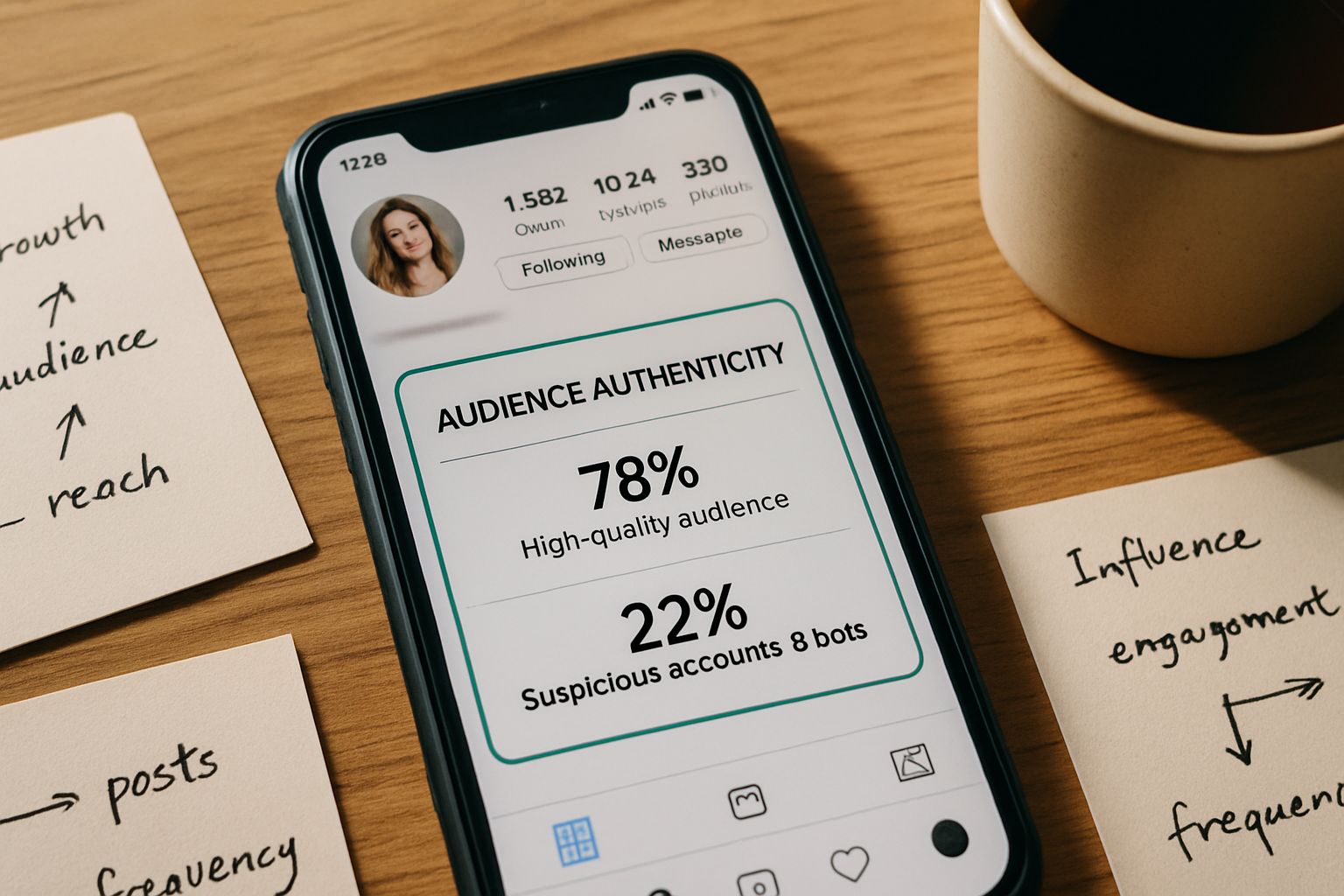
Brands once equated follower counts with influence. However, an estimated $1.3 billion is lost yearly to influencer fraud. Consequently, marketers now demand hard evidence that an audience is real and engaged. This demand fuels adoption of audience authenticity scoring models, complex machine-learning systems built for fraud detection. Moreover, platforms and regulators echo the call, citing erosion of social trust. Academic advances, vendor competition, and API restrictions shape the field’s rapid evolution. Meanwhile, commercial tools embed these scores directly into campaign approval workflows. The following analysis unpacks the drivers, machinery, benefits, and limitations behind audience authenticity scoring models.
Rising Influencer Fraud Costs
Marketers still pour billions into sponsored content. Nevertheless, research shows up to 30% of followers on some accounts are fake. CBS News reported influencer fraud losses nearing $1.3 billion annually. Consequently, finance teams question ROI assumptions. Brands now require audience authenticity scoring models before signing contracts.
- Influencer fraud losses: $1.3 billion
- Average fake follower share: 15–30%
- Claimed detection precision: 85–95%
- Common authenticity threshold: 75% real followers
These figures reveal material financial risk. However, technology offers measurable defenses, as the next section explains.
Audience Scoring Models Explained
At their core, audience authenticity scoring models compute a numerical quality index for each creator. They integrate metadata, graph, temporal, and linguistic features. Furthermore, multi-modal deep learning now surpasses earlier heuristics on benchmark datasets. Vendors brand the output as Audience Quality Score, Authenticity Percent, or similar. In contrast, academics prefer transparent metric definitions and published error bands. Each calculation runs through a pipeline of feature extraction, model inference, and evidence generation. Subsequently, audience authenticity scoring models deliver dashboards showing suspicious growth spikes and example bot profiles. These visuals help non-technical stakeholders act quickly. Robust pipelines convert messy signals into actionable scores. Consequently, understanding the inputs is vital, which the next section details.
Core Detection Signals Used
Detection accuracy depends on the mix of signals captured. Moreover, platforms that restrict API access weaken third-party insight.
- Account metadata: profile pictures, bio completeness, creation date
- Graph structure: dense cliques and many-to-one engagement flows
- Temporal patterns: sudden follower spikes or coordinated unfollow cycles
- NLP cues: templated comments or generative-AI phrasing
- Cross-platform consistency checks
Researchers show graph-neural networks excel when follower graphs are available. However, heuristic growth anomaly detectors remain useful for quick triage. Audience authenticity scoring models weigh each feature, often with learned attention mechanisms. Meanwhile, fraudsters respond by polishing bot profiles or blending real micro accounts. Therefore, iterative feature updates keep audience authenticity scoring models competitive. Diverse, evolving signals underpin reliable authenticity estimates. Next, we examine which companies supply these capabilities.
Tool Landscape Overview Today
The vendor ecosystem has intensified since 2024. HypeAuditor, NeoReach, Aspire, and CreatorIQ headline commercial offerings. Additionally, Indiana University’s Botometer X supports academic research with archival scores. Platforms like Instagram and TikTok restrict full follower exports, challenging outsiders. Nevertheless, audience authenticity scoring models remain embedded inside many agency dashboards. Vendors advertise detection precision above 90%, yet independent studies urge caution. In contrast, researchers highlight adversarial evasion that lowers real-world recall. Tool diversity offers choice but complicates benchmarking. Consequently, buyers must weigh benefits against data transparency, as we discuss next.
Benefits And Limitations Explored
Authenticity vetting delivers clear business gains. For example, payment terms increasingly hinge on passing audience authenticity scoring models with 80% real-follower thresholds. Moreover, improved filtering boosts campaign ROI and safeguards social trust. Procurement teams can screen thousands of creators daily, reducing manual workload. However, false positives still penalize fast-growing or multicultural creators. Data gaps from API changes reduce visibility and raise error variance. Fraud actors innovate quickly, deploying AI-generated comments that mimic genuine engagement. Consequently, continuous model retraining remains mandatory. Buyers should request evidence packets accompanying scores to validate decisions. Professionals can enhance their expertise with the AI Executive™ certification. This program deepens understanding of audience authenticity scoring models and ethical measurement frameworks. Benefits are substantial, yet vigilance is essential. The following checklist offers actionable safeguards.
Key Adversarial Challenges Ahead
Fraud networks evolve through hybrid bot-human clusters. Additionally, cheap generative models mass-produce plausible comments across languages. Nevertheless, graph anomalies still betray coordination at scale. Continuous red-teaming and public benchmarks will strengthen defenses. Adversaries force constant adaptation. Consequently, procurement teams need practical guardrails, outlined next.
Essential Procurement Checklist Steps
- Request dual-vendor authenticity reports per creator.
- Sample 50 follower profiles manually.
- Compare geography and engagement across channels.
- Tie payments to verified conversions, not impressions.
Following these steps heightens defenses against influencer fraud. Moreover, it reinforces social trust between brands and audiences. Checklists translate theory into daily process. We now move to the closing takeaways.
Brands no longer accept vanity metrics at face value. Consequently, audience authenticity scoring models stand as a critical line of defense. They cut influencer fraud exposure while protecting social trust. However, model performance hinges on data access and active retraining. Marketers should demand transparent evidence and follow the checklist to stay ahead. Moreover, upgrading personal knowledge through the linked certification fosters smarter decision making. Adopt these practices today and safeguard your media budget.


