

AI CERTS
2 hours ago
OpenAI Reclaims the Image Crown- Why the Future of AI Creativity Now Demands Skilled Humans
But beneath the headlines lies a deeper truth: as AI gets smarter, the demand for trained, skilled humans who can guide it effectively is skyrocketing.
A Comeback That Redefines Image Generation
Just a few months ago, Google’s image models were leading the pack. Now, OpenAI has surged ahead with a system that doesn’t just generate images—it thinks before it creates.
According to reports, ChatGPT Images 2.0 introduces a major leap forward by planning outputs, searching the web for context, and self-checking for errors before delivering results. This marks a fundamental shift from reactive AI to deliberative AI systems that mimic human reasoning.
The model has already claimed the No.1 spot on text-to-image leaderboards, outperforming competitors across multiple categories. Even OpenAI CEO Sam Altman described the leap as equivalent to “going from GPT-3 to GPT-5 all at once.”
This is not an incremental upgrade. It is a paradigm shift in how machines create visual content.
From Prompt to Intelligence: What Makes Images 2.0 Different
Unlike earlier models that relied purely on prompts, this new system introduces a multi-step reasoning process.
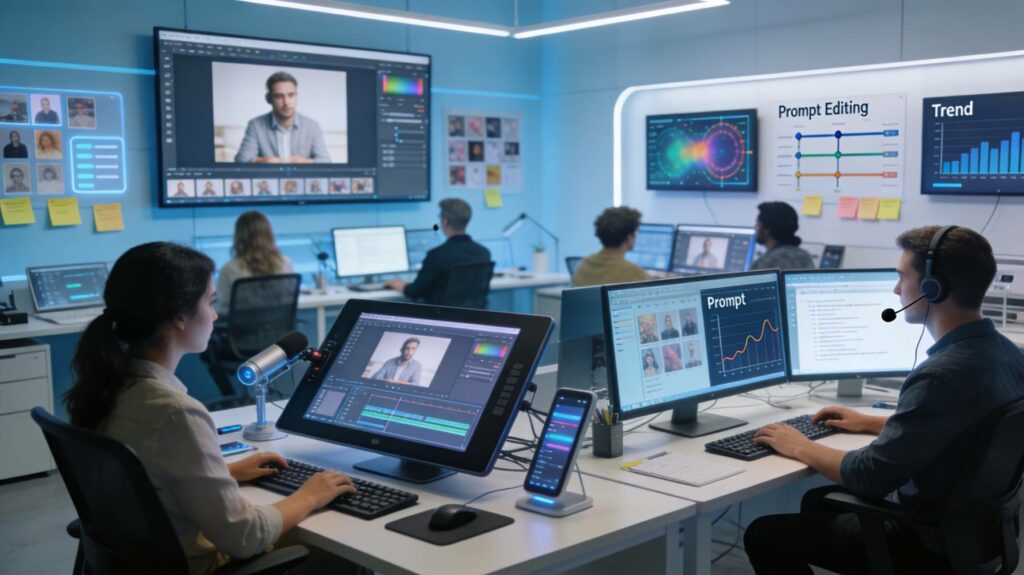
It plans what to generate, gathers relevant references, and validates outputs before presenting them. This “thinking layer” dramatically improves accuracy, coherence, and realism, solving long-standing issues like distorted text, inconsistent objects, and flawed compositions.
The model also supports high-resolution outputs, multiple image generations at once, flexible aspect ratios, and even multilingual text rendering.
In simple terms, AI is no longer just a tool—it is becoming a creative collaborator with reasoning abilities.
The Bigger Picture: A Rapidly Intensifying AI Arms Race
This breakthrough is part of a much larger trend. The AI industry is evolving at an unprecedented pace, with companies constantly leapfrogging each other.
Earlier this year, Google’s Nano Banana 2 dominated leaderboards by offering high-quality images at lower costs, eliminating trade-offs between performance and affordability.
Now, OpenAI’s comeback proves one thing clearly: there is no permanent leader in AI only continuous disruption.
For businesses and professionals, this creates both opportunity and risk. The tools you master today may be outdated tomorrow. The skills that differentiate you now may become baseline expectations in months.
Why This Matters for Businesses and Professionals
At first glance, better image generation may seem like a win for designers, marketers, and content creators. And it is.
But the real impact runs deeper.
AI systems like Images 2.0 are changing workflows entirely. Tasks that once took hours—concept design, branding visuals, ad creatives—can now be completed in minutes. But the quality of output depends heavily on how well the user understands and directs the AI.
This creates a new kind of skill gap.
Companies are no longer just hiring designers or writers. They are looking for professionals who can:
- Understand AI capabilities and limitations
- Craft precise and strategic prompts
- Validate and refine AI-generated outputs
- Integrate AI into business workflows
In other words, AI literacy is becoming as essential as digital literacy once was.
The Hidden Risk: Power Without Expertise
While tools are becoming more powerful, they are also becoming more complex.
A model that plans, searches, and self-corrects requires users who understand how to guide those processes. Without proper training, businesses risk:
- Misleading outputs
- Brand inconsistencies
- Inefficient workflows
- Over-reliance on automation
This is where many organizations struggle. They adopt AI tools but fail to unlock their full potential because their teams lack the necessary expertise.
And in a fast-moving landscape, that gap can quickly become a competitive disadvantage.
The Rise of AI Training as a Strategic Necessity
As AI capabilities expand, training is no longer optional—it is strategic.
Programs like the AI CERTs Authorized Training Partner (ATP) initiative are emerging to bridge this gap. These programs are designed to equip professionals and organizations with practical, industry-relevant AI skills that go beyond theory.
The ATP model focuses on real-world applications, helping individuals learn how to implement AI in marketing, design, operations, and decision-making.
This is particularly important in a world where AI tools evolve faster than traditional education systems can keep up.
By working with certified training partners, businesses can ensure their teams are not just using AI, but using it effectively, responsibly, and strategically.
A New Creative Era But with a Human Core
The return of OpenAI to the top of the image generation leaderboard is more than just a technological milestone. It signals the beginning of a new creative era.
AI is no longer just assisting creativity, it is actively shaping it.
But despite all its advancements, AI still depends on human direction. The quality of outcomes depends on the clarity of inputs, the understanding of context, and the ability to refine results.
This means the future will not belong to those who simply use AI tools.
It will belong to those who understand them deeply.
The Real Winners of the AI Race
The headlines may focus on which company leads the leaderboard, but the real story is about transformation.
As AI systems become more intelligent, the value shifts from tools to talent.
Organizations that invest in AI training will unlock new levels of productivity, creativity, and innovation. Those that don’t may find themselves struggling to keep up in an increasingly AI-driven world.
OpenAI may have reclaimed the image crown—but the real crown belongs to those who know how to use AI wisely.
FAQs
1. What is ChatGPT Images 2.0 and why is it significant?
ChatGPT Images 2.0 is OpenAI’s latest image generation model that uses planning, web search, and self-checking before generating outputs. This makes it far more accurate and intelligent than previous models, marking a major leap in AI creativity.
2. How is this different from earlier AI image tools?
Earlier tools generated images directly from prompts. This new model adds reasoning steps, improving quality, consistency, and realism while reducing errors like distorted text or mismatched elements.
3. Why is AI training becoming essential now?
As AI tools become more advanced, they require skilled users to guide them effectively. Without proper training, businesses may fail to fully utilize these tools or risk poor-quality outputs.
4. What is the AI CERTs Authorized Training Partner (ATP) program?
The ATP program provides structured, practical AI training through certified partners, helping professionals and organizations develop real-world AI skills for business applications.
5. Who should invest in AI training today?
Professionals in marketing, design, content creation, business strategy, and operations should all consider AI training, as AI is rapidly transforming workflows across industries.


