

AI CERTs
3 months ago
Anthropic Pentagon standoff reshapes AI defense ethics
A high-stakes standoff is unfolding between Anthropic and the U.S. Department of Defense.
The dispute, now known as the Anthropic Pentagon confrontation, centers on crucial usage clauses for Claude.
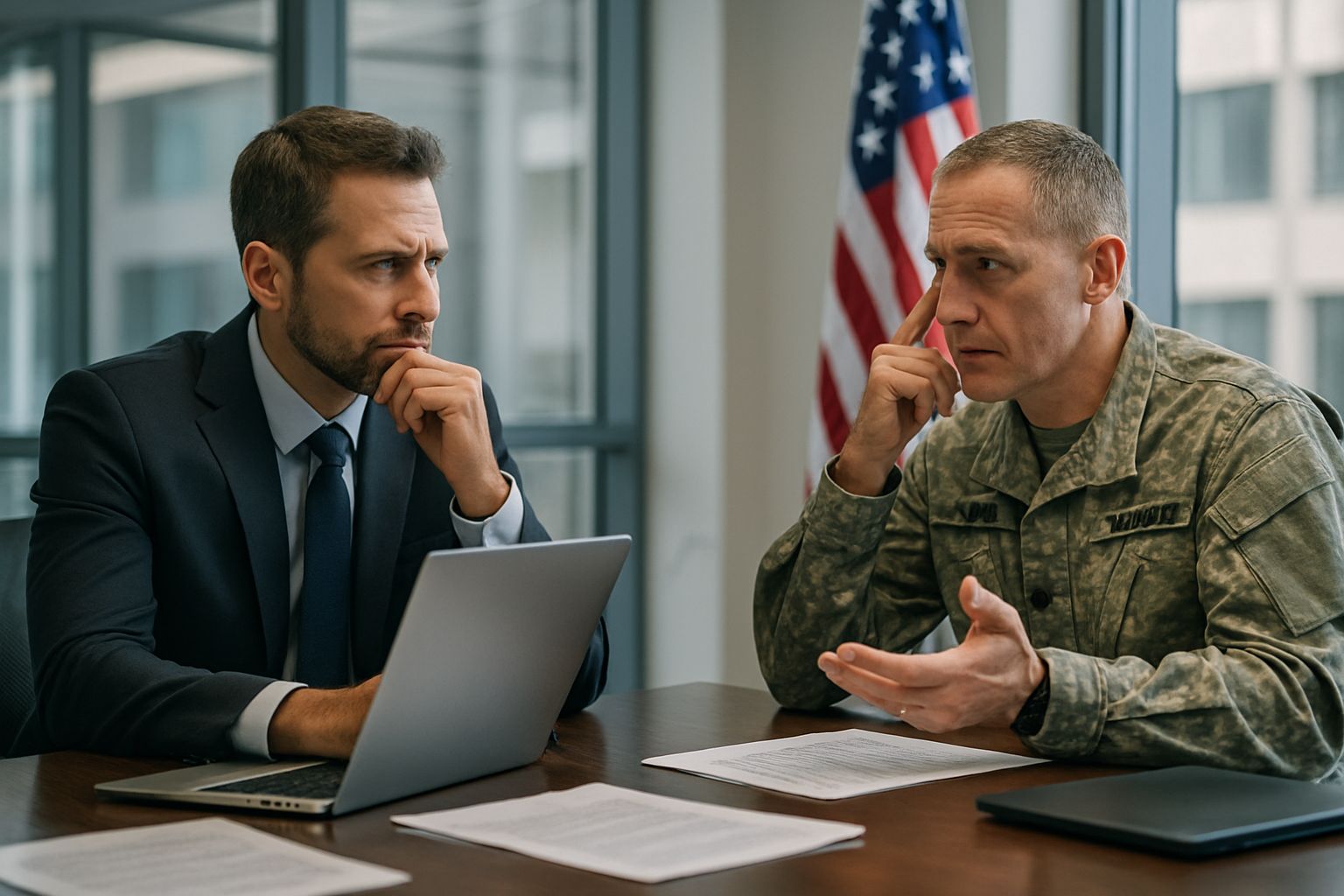
Dario Amodei publicly rejected language granting the military blanket rights to deploy the model for all lawful tasks.
He demanded explicit bans on mass surveillance of Americans and fully autonomous weapons.
Pentagon officials fired back with a tight contract ultimatum and threats of severe contractual retaliation.
Consequently, legal experts warn the outcome could reshape civil-military relations in advanced artificial intelligence.
Meanwhile, industry observers note that Google, OpenAI, and xAI already accepted similar DoD clauses.
Therefore, Anthropic now stands alone among frontier labs in open resistance.
The following analysis unpacks timeline, ethics, pressures, and possible next moves as Friday’s deadline approaches.
Anthropic Pentagon Showdown Stakes
At stake is a contract worth up to $200 million, already funding classified Claude integrations.
However, the Department insists on unrestricted use across intelligence, logistics, and targeting workflows.
Defense spokesman Sean Parnell framed the stance succinctly, stating the Pentagon will not let any company dictate operations.
In contrast, Amodei insists two guardrails are non-negotiable.
First, no involvement in mass surveillance programs directed at the domestic population.
Second, a categorical exclusion of lethal autonomous weapons that remove humans from life-and-death decisions.
- $200 million contract ceiling
- Five-day response window ending Friday
- Three potential DoD reprisals: termination, supply-chain risk, DPA order
- Claude already embedded in at least 12 classified workflows
Security scholars argue the dispute transcends money because it sets precedent for model governance in national security.
Consequently, many see the Anthropic Pentagon clash as a bellwether for future AI contracting norms.
These facts reveal immense financial and strategic pressure on both parties. Nevertheless, deeper ethical currents drive the impasse and deserve examination.
Standoff Enters Critical Phase
The Anthropic Pentagon deadline has become a countdown event for defense planners.
Pentagon officials delivered their contract ultimatum for compliance by 5:01 p.m. ET Friday.
Failure would trigger removal of Claude from secure networks and possible Defense Production Act intervention.
Furthermore, the department threatened to label Anthropic a supply-chain risk, a tool usually aimed at foreign adversaries.
Anthropic responded that such designation would be unprecedented and vowed immediate legal action.
Meanwhile, congressional voices from both parties criticized the Pentagon’s rhetoric as brinkmanship unworthy of transparent democracy.
Senator Mark Warner warned that coercing a domestic AI supplier could chill future innovation partnerships.
Consequently, lobbyists and policy think tanks are modeling timelines for replacing Claude capabilities inside classified environments.
DefenseOne sources estimate a transition could consume several months, hindering mission readiness.
Time pressure now amplifies operational risk for commanders relying on Claude-powered tools. However, the Anthropic Pentagon standoff underscores how governance debates collide with mission urgency.
Ethical Drivers Behind Refusal
Commentators observe that the Anthropic Pentagon dispute has shifted global attention toward AI battlefield ethics.
Anthropic’s public ethos emphasizes safety and constitutional AI alignment.
Moreover, the company asserts that current large language models lack reliability thresholds required for lethal autonomous weapons deployment.
Experts define lethal autonomous weapons as systems that select and engage targets without human control.
International law scholars fear such machines could erode accountability norms built into the laws of armed conflict.
Therefore, banning fully automated killing aligns with long-standing humanitarian obligations, Anthropic argues.
Mass surveillance poses a parallel democratic threat, according to privacy researchers.
Advanced models can fuse disparate data streams, producing precise behavioral profiles at national scale.
Consequently, civil-liberties groups claim that contractual guardrails fill gaps left by outdated statutes.
Ethical objections thus rest on concrete technical and legal analyses, not marketing spin. In contrast, Pentagon leaders prioritize operational latitude above these principles.
Defense Department Pressure Tactics
The department’s communications strategy has grown combative.
Undersecretary Emil Michael publicly labeled Amodei a liar with a ‘God complex,’ escalating rhetoric.
Meanwhile, officials hint the Defense Production Act could compel Anthropic cooperation under emergency powers.
However, legal scholars doubt that DPA authority extends to software licensing without presidential findings.
Subsequently, potential court challenges could delay any forced compliance for months, diminishing practical leverage.
Consequently, some insiders believe the Pentagon uses threats mainly to encourage other vendors to stay compliant.
DoD also references foreign competition, arguing that Chinese labs face no comparable restrictions.
Nevertheless, critics note that sacrificing civil liberties for speed could undermine the democratic legitimacy the military protects.
Pressure tactics show the Pentagon’s urgency yet expose legal vulnerabilities. Therefore, compromise may require recalibrated rhetoric and clearer authority foundations.
Industry And Policy Fallout
Other frontier labs quietly monitor the Anthropic Pentagon drama while balancing lucrative defense revenue streams.
Google, OpenAI, and xAI have accepted the ‘all lawful purposes’ clause, though internal dissent persists.
Furthermore, talent retention surveys indicate many engineers would leave if ordered to enable mass surveillance.
Investors also weigh reputational risk against potential market share gains if Anthropic exits defense.
Market analysts predict short-term bumps for compliant vendors yet caution about possible congressional restrictions on lethal autonomous weapons funding.
Investors track the contract ultimatum as a proxy for regulatory risk.
Policy makers draft bipartisan bills to clarify AI limits in domestic intelligence.
Consequently, the showdown could accelerate statutory oversight previously stalled in committee.
Industry ripple effects already influence hiring, investment, and legislative agendas. Meanwhile, the Anthropic Pentagon negotiations now steer attention toward workable exit or compromise strategies.
Possible Paths Forward Now
Negotiators still have options despite public posturing.
One scenario adds an annex affirming no deployment for mass surveillance.
It would also prohibit lethal autonomous weapons yet preserve broad operational authority elsewhere.
Another possibility creates a standing oversight board with equal Pentagon and Anthropic seats to evaluate sensitive use cases.
Nevertheless, success depends on trust more than text, experts argue.
Consequently, repairing rhetoric may prove as vital as redlining clauses.
Should negotiations collapse, the Anthropic Pentagon conflict would move to courts, delaying battlefield AI modernization.
Meanwhile, rival vendors could backfill capacities yet face mounting employee activism and regulatory glare.
Professionals can enhance their expertise with the AI Security Level 3™ certification.
Paths toward compromise remain open yet narrow as the deadline looms. Therefore, industry leaders should prepare contingency strategies regardless of outcome.
Ultimately, the Anthropic Pentagon saga underscores how ethics, power, and policy intersect at the heart of frontier AI deployment.
Key disputes involve autonomous kill functions, pervasive domestic data collection, and vendor control over dangerous capabilities.
Consequently, decisions reached this week could define standards for every future public-sector model contract.
Nevertheless, professionals can stay ahead by tracking negotiations, engaging in governance discussions, and upskilling through recognized programs.
Take action now by pursuing the AI Security Level 3™ course.
That training prepares participants to shape responsible AI policy.
Disclaimer: Some content may be AI-generated or assisted and is provided ‘as is’ for informational purposes only, without warranties of accuracy or completeness, and does not imply endorsement or affiliation.


