

AI CERTS
2 months ago
Anthropic’s Claude Boosts AI Design Workflows
Claude Design Launch Context
The release dropped through Anthropic Labs in a research preview for Claude Pro, Max, Team, and Enterprise subscribers. TechCrunch and VentureBeat framed the move as Anthropic’s first serious ascent up the software stack. Furthermore, the company coupled the debut with Opus 4.7, its newest multimodal model. Observers therefore read the timing as a statement: Anthropic no longer sells just models; it now delivers end-user experiences that shorten creative cycles.
Canva’s CEO Melanie Perkins welcomed the integration, noting more than 250 million monthly users who could refine Claude output inside Canva. Meanwhile, Anthropic’s chief product officer exited Figma’s board the day before launch, a gesture analysts read as distancing from a potential Figma Rival. These strategic signals suggest an aggressive roadmap. The preview will roll out “throughout the day,” according to Anthropic’s post, and invites feedback before general access.
These launch details underline Anthropic’s intent to own early-stage ideation. However, understanding the mechanics clarifies the broader stakes.
How The Tool Works
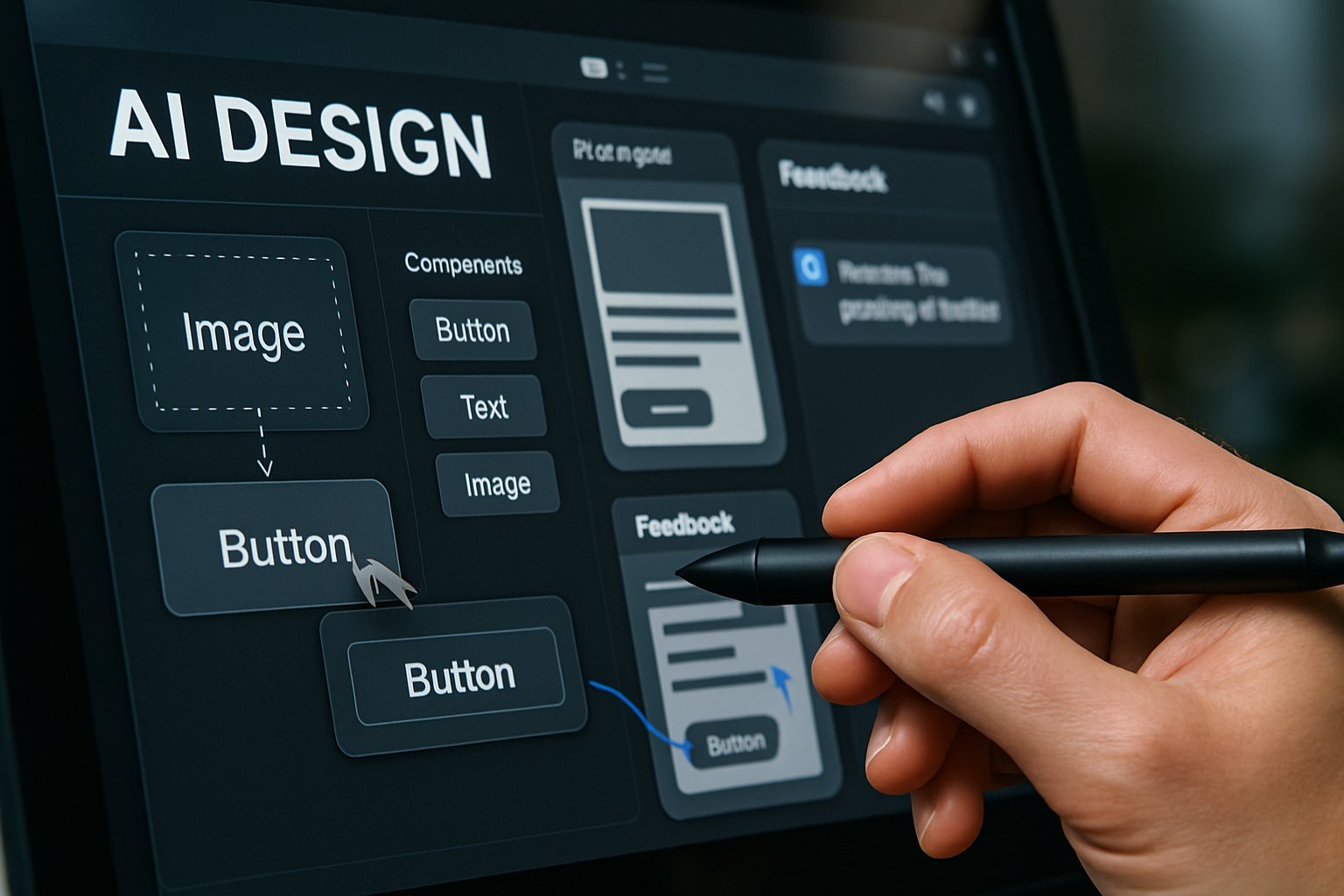
Users type a prompt like “marketing one-pager for a climate fintech.” Claude Design returns a first draft—complete layout, imagery, and styling—in seconds. Subsequently, teams iterate by chatting with the model, dragging inline controls, or adjusting auto-generated sliders for spacing, colors, and typography. The tool even imports a company’s repository to assemble a living design system. Consequently, every deliverable inherits brand fonts, hues, and components automatically.
When teams finish, they export files as PDF, PPTX, HTML, or internal share links. Additionally, a handoff bundle flows into Claude Code, closing the loop from idea to production. VentureBeat calls this workflow “a watershed” because it collapses siloed stages into one continuous conversation. AI Design thus becomes process glue rather than a stand-alone discipline.
This iterative engine speeds experimentation dramatically. Nevertheless, raw capability matters only if backed by measurable performance.
Integration And Export Paths
Anthropic partnered early with Canva so drafts can open natively inside the popular platform. Moreover, Canva claims it processes 420 designs each second, highlighting potential scale. Claude Design’s export menu also serves PowerPoint for corporate decks and clean HTML for landing pages, supporting diverse deliverables. In contrast, many incumbent tools require plug-ins or manual file conversions.
The export breadth reduces friction for non-design departments. Marketing teams can spin up prototypes while engineers receive ready-to-code bundles. Therefore, Claude Design bridges creative and technical silos with minimal overhead.
- Research preview: live for paying Claude tiers on April 17
- Supported formats: PDF, PPTX, HTML, Canva, share URLs
- Design-system import: scans repositories during onboarding
- Handoff: packages assets for Claude Code implementation
These features broaden adoption possibilities. However, real traction depends on proven efficiency metrics.
Opus 4.7 Model Benchmarks
Opus 4.7 powers the new designer and posts a 64.3% SWE-bench Pro score, according to VentureBeat. Additionally, Anthropic reports higher code-resolution rates than version 4.6 on internal tests. Pricing remains near $5 per million input tokens and $25 per million output tokens, though buyers should verify current API terms.
Performance gains translate directly into faster prototypes and fewer hallucinations. Moreover, multimodal vision features let Claude understand uploaded mood boards or wireframes, enriching context. Consequently, feedback loops tighten, raising productivity for founders who lack design training.
These numbers validate technical viability. Yet market success also hinges on competitive dynamics and perception.
Competitive Market Reactions
Industry watchers immediately tagged Claude Design as a potential Figma Rival. Nevertheless, Anthropic insists the product complements, not replaces, incumbent canvases. TechCrunch echoes that stance, highlighting export paths rather than full migration. Meanwhile, designers debate whether automated first drafts devalue their expertise or free them for higher-level problem solving.
Investors see upside. The product expands the design addressable market by empowering marketers, product managers, and sales staff. Consequently, adoption could snowball even without displacing Figma or Adobe outright. VentureBeat therefore argues Anthropic has stepped beyond infrastructure, positioning itself as an end-to-end creative suite vendor.
These reactions underscore shifting power balances. However, benefits for novices illustrate why momentum may persist.
Benefits For Novice Creators
Early testers at Datadog claim meetings now yield working prototypes before participants leave the room. Moreover, brand compliance improves because Claude auto-applies sanctioned colors and components. Additional advantages include:
- Lower barriers: founders without design chops still ship credible visuals.
- Increased speed: iterations arrive in seconds, not days.
- Seamless handoff: engineers receive structured bundles, trimming rework.
Professionals can enhance their expertise with the AI+ UX Designer™ certification. Therefore, skill seekers align practical credentials with emerging workflow realities.
These benefits paint a compelling picture. Nevertheless, unresolved challenges demand scrutiny before enterprise rollouts.
Risks And Open Questions
Preview users note rough edges in collaboration features. Additionally, messy codebases sometimes yield noisy design-system imports. Intellectual-property provenance remains another concern, although Anthropic states enterprise data is not used for training.
Safety researchers watch Anthropic’s dual-track release strategy. Opus 4.7 is public, whereas the more powerful Mythos model stays restricted. Consequently, regulators may examine how the company balances innovation with risk mitigation.
Professional designers also fear workflow disruption. In contrast, executives appreciate cost savings. Therefore, adoption may hinge on governance frameworks that respect creative labor while embracing automation.
These risks illustrate the road ahead. However, they hardly diminish the tool’s immediate impact.
Conclusion And Next Steps
Claude Design shows how AI Design can compress ideation, review, and delivery into one conversational loop. Moreover, Opus 4.7 provides the horsepower to generate brand-consistent assets across formats. Integration with Canva, export options, and code handoff position the product as both collaborator and challenger to incumbents.
Nevertheless, enterprises must weigh quality, governance, and IP concerns before wholesale adoption. Consequently, upskilling remains vital. Exploring structured learning, such as the linked certification, equips teams to harness these tools responsibly. Embrace the change, refine your craft, and prototype the future today.
Disclaimer: Some content may be AI-generated or assisted and is provided ‘as is’ for informational purposes only, without warranties of accuracy or completeness, and does not imply endorsement or affiliation.


