

AI CERTS
3 hours ago
How Predictive AI Drives NeuBird’s Falcon Engine for Ops
Falcon claims to see 72-hour risk windows and reach 94 percent RCA accuracy. Company blogs describe three times faster reasoning than the prior engine. Nevertheless, independent benchmarks remain pending. Despite open questions, NeuBird already reports more than one million alerts resolved since December 2024. Consequently, early adopters cite mean-time-to-resolution cuts of up to 90 percent. These headline numbers have put NeuBird squarely on every SRE’s radar.
Funding Fuels Rapid Expansion
Funding confidence often signals product maturity. NeuBird’s $19.3 million round closed oversubscribed within weeks. Moreover, the raise lifts total capital to roughly $64 million across three disclosed rounds. Xora Innovation led and called NeuBird a category shaper in Predictive AI for production infrastructure. Additionally, Mayfield’s Navin Chaddha highlighted measurable ROI already demonstrated by early customers. These endorsements help NeuBird reach conservative buyers still skeptical of ambitious startups. Consequently, procurement teams can justify pilot budgets faster.
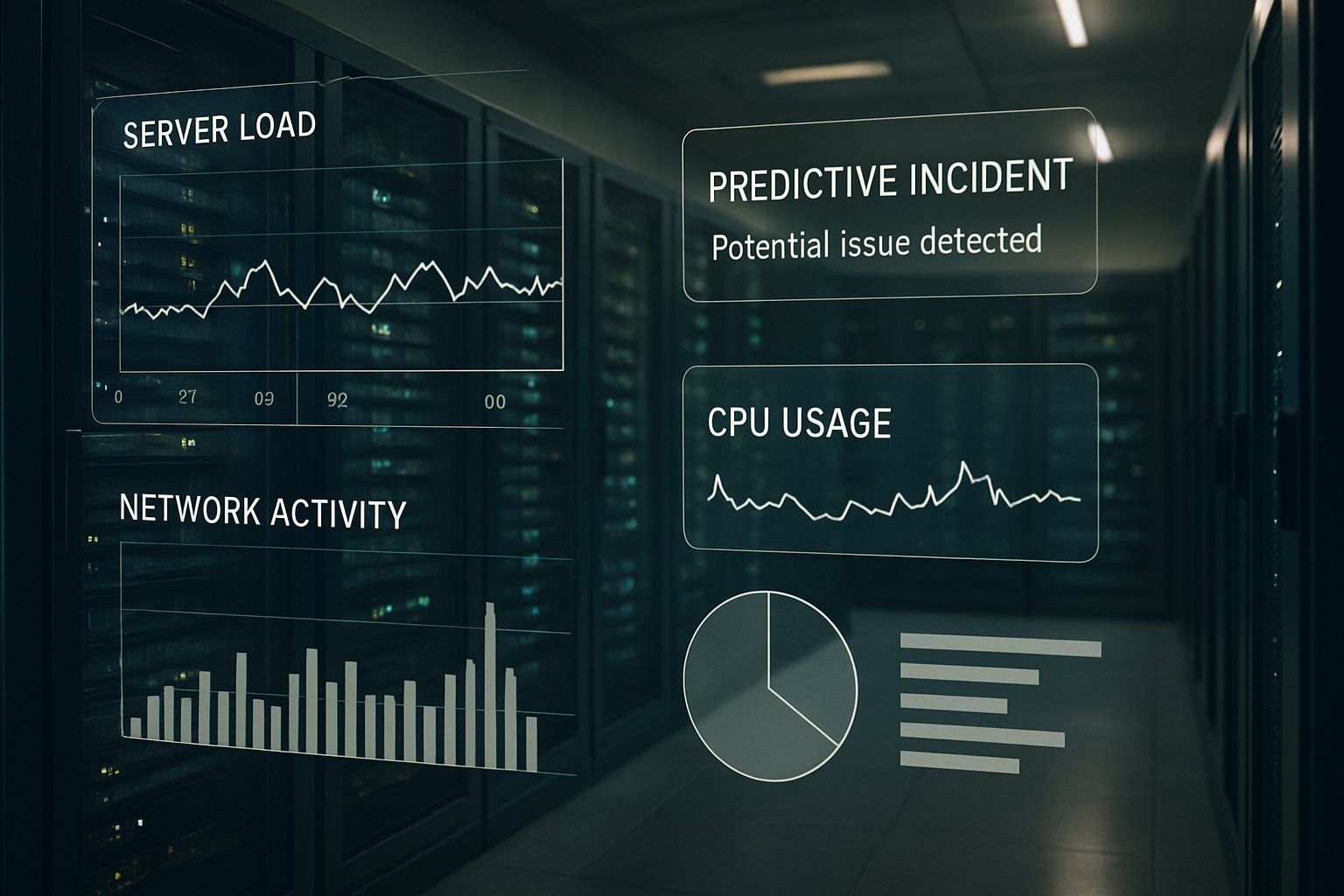
The funding surge validates NeuBird’s commercial traction. However, capital alone cannot guarantee sustained execution. Therefore, technical depth deserves closer inspection.
Inside Falcon Engine Architecture
Engineers care about design choices more than slogans.
Agent Context Platform Basics
The Agent Context Platform assembles telemetry, relationships, and configuration at query time. In contrast, traditional indexes store static snapshots that age quickly. Consequently, Falcon Engine analyzes fresher signals and reduces blind spots. Moreover, NeuBird claims context retrieval completes in milliseconds even at petabyte scale.
Predictive AI patterns underpin the reasoning logic driving those improvements.
Dynamic context promises steadier systems during rapid changes. Nevertheless, proof from independent audits remains essential. Subsequently, we examine the reasoning core.
FalconClaw Skills Hub Overview
FalconClaw houses curated runbooks packaged as executable skills. Teams upload validated playbooks, and Falcon Engine triggers them when matching conditions appear. Therefore, institutional knowledge becomes reusable automation rather than tribal memory. Professionals can enhance their expertise with the AI Engineer™ certification.
FalconClaw may accelerate onboarding and raise operational reliability. However, governance of shared skills demands transparent review workflows. Next, we explore real-world impact.
Predictive Workflows In Action
NeuBird positions Falcon as a sentinel that spots degrading infrastructure before users complain. Accordingly, the company reports predictive windows at 72, 48, and 24 hours. Predictive AI empowers on-call engineers to patch vulnerable microservices during business hours. Moreover, Falcon Engine claims 94 percent RCA accuracy for the SRE persona.
- >1 million alerts resolved since December 2024
- Up to 90 percent MTTR reduction
- Alert noise lowered by roughly 78 percent
- More than $2 million engineering hours saved
Company blogs and VentureBeat articles echo these numbers, yet third-party validation is missing. Nevertheless, early customer anecdotes describe tangible reliability gains within weeks.
Operational evidence hints at material cost savings. However, the absence of neutral data clouds certainty. Consequently, readers should compare competitive claims carefully.
Evaluating Competitive Landscape Dynamics
Analysts place NeuBird within the crowded AIOps and observability market. BigPanda, Resolve AI, and Shoreline pursue similar narratives around reliability automation. In contrast, NeuBird stresses autonomous agents rather than dashboards. Furthermore, the desktop CLI integrates with engineer workflows to reduce context switching. Market research suggests AIOps spending could exceed $40 billion by 2030 under optimistic scenarios. Therefore, venture investors see space for multiple winners. Predictive AI narratives dominate conference keynotes, often overshadowing hard reliability engineering.
NeuBird competes by promising earlier insights and faster remediation. Meanwhile, incumbents leverage larger install bases. Subsequently, we consider potential pitfalls.
Risks And Open Questions
Security And Governance Concerns
Enterprise buyers demand proof of secure architecture and data governance. NeuBird states that Falcon Engine operates with read-only telemetry and sandboxed execution. However, external SOC2 or ISO attestations have not been published. Moreover, skill provenance within FalconClaw could introduce supply-chain exposure if review gates fail. Vendor lock-in also looms because the agent owns remediation workflows. These gaps limit enterprise adoption velocity. Nevertheless, NeuBird says audits are underway. Failure modes unique to Predictive AI systems demand rigorous chaos testing.
Therefore, upskilling remains prudent for engineers evaluating the platform.
Skills And Certification Path
Skilled engineers still decide whether automated actions are acceptable. Predictive AI tools cannot replace informed oversight. Furthermore, hiring managers increasingly value candidates who can audit and fine-tune agentic systems. Consequently, earning specialized credentials strengthens credibility during platform evaluations. Professionals can deepen system understanding through the AI Engineer™ program mentioned earlier. Predictive AI expertise plus domain experience positions engineers to guide safe adoption.
Skills investment mitigates risk and boosts project reliability. Meanwhile, certification paths clarify learning priorities. Finally, we recap key insights.
NeuBird has thrust itself into the AIOps spotlight with Falcon Engine and bold Predictive AI claims. The startup couples fresh capital with an architecture built for dynamic context, automated skills, and earlier risk detection. Funding momentum and early customer anecdotes hint at genuine reliability gains. However, unanswered questions around security, governance, and independent benchmarks persist. Consequently, technology leaders should pilot carefully, request evidence, and equip staff with relevant training.
Moreover, earning an industry certification can prepare engineers to audit automated remediation safely. Predictive AI will reshape production infrastructure, yet human expertise will remain decisive. Evaluate the platform, verify the numbers, and decide how fast your organization should fly with Falcon.


