

AI CERTS
4 months ago
Amazfit Active Max elevates AI fitness wearables
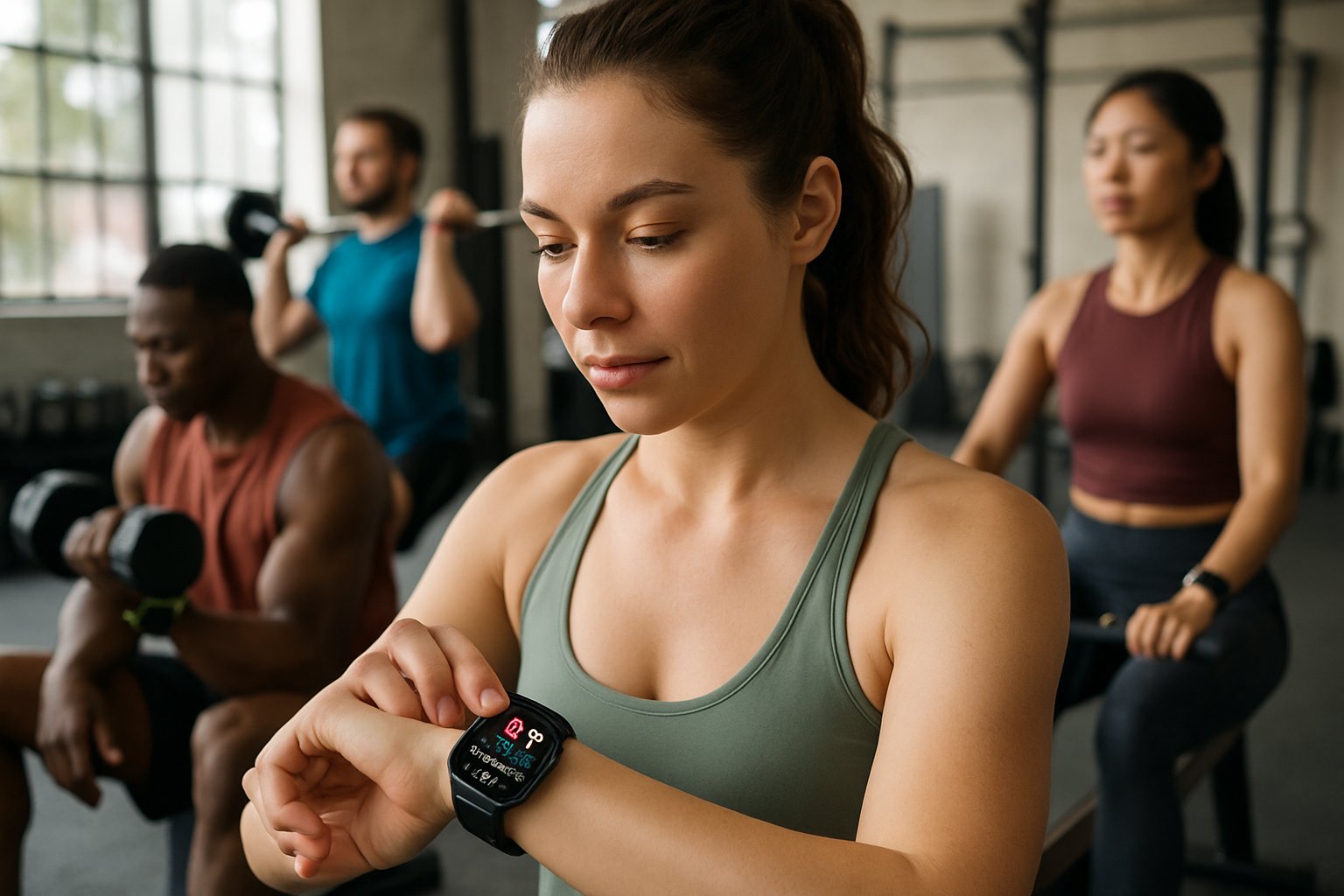
However, beyond price, the Active Max features a brighter 1.5-inch AMOLED panel and a 658 mAh battery. Moreover, Amazfit layers its proprietary BioCharge readiness metric to translate data into actionable recovery advice. These capabilities arrive before New Year fitness resolutions, positioning the watch for immediate retail momentum. This article unpacks hardware, software, market context, and practical buying guidance for busy professionals. Meanwhile, every section adheres to concise journalistic standards and evidence derived from official sources.
Launch Signals Market Shift
Press releases hit BusinessWire and company pages on 30 December 2025, confirming immediate U.S. availability. Furthermore, the $169.99 list price positions Active Max above Amazfit's Active 2 yet below Apple Watch SE devices. In contrast, leaks earlier in December predicted similar pricing, lending credibility to Roland Quandt’s initial images.
TechRadar writer Alex Blake observed that the draft listing itself anchored speculation, minimizing rumor risk. Consequently, mainstream coverage framed Active Max as a bargain challenger in the swelling AI fitness wearables segment. Market analysts agree that such pricing will pressure competitors targeting cost-conscious buyers seeking long battery endurance.
These signals reveal a strategic push into value territory. Subsequently, hardware scrutiny clarifies whether the proposition holds.
Hardware Highlights In Focus
Amazfit dedicates marketing banners to three core claims: vivid screen, marathon battery, and standalone media. Moreover, each claim ties back to mobile independence, a growing demand among outdoor athletes. The following sections examine specifications against that messaging.
Display And Battery Gains
The 1.5-inch AMOLED panel pushes 480×480 pixels at 323 ppi, topping many peers. Peak brightness reaches 3,000 nits; automatic limits still deliver roughly 2,000 nits outdoors. Therefore, readability under direct sunlight should match dedicated bike computers.
Battery capacity rises to 658 mAh, up from the Active 2’s reported 495 mAh module. Amazfit advertises up to 25 days typical life or 64 hours continuous GPS. Nevertheless, lab conditions rarely mirror daily bluetooth calls, animations, or music playback. Independent testing will determine real-world endurance soon after units ship.
Display clarity and claimed endurance appear class leading at this price. Next, sensor and storage upgrades deepen functionality.
Sensors And Storage Perks
Five-system GNSS, mic, speaker, and Bluetooth 5.3 cater to runners wanting phone-free navigation. Additionally, the BioTracker PPG stack captures heart rate, SpO2, and stress continuously. BioCharge algorithms then convert raw signals into a readiness score viewable within Zepp Coach.
There is also 4 GB of storage, enough for 100 hours of podcast episodes once the update lands. Consequently, ultra-distance athletes can stream audio without LTE tethering.
Hardware boxes appear robustly checked. However, software intelligence ultimately defines modern AI fitness wearables.
AI Fitness Wearables Context
The Active Max arrives during a market pivot toward integrated coaching, recovery guidance, and personalized nudges. Moreover, Fortune Business Insights values global smartwatch revenue near $39 billion for 2025 with steady growth. Vendors therefore prioritize differentiated algorithms over commodity step counts.
Amazfit’s BioCharge readiness joins Garmin Body Battery and Fitbit Daily Readiness as competing heuristics. In contrast, Apple leverages deep ecosystem integration instead of raw battery dominance. Hence, longer endurance positions Active Max as an alternative for expedition travel or multi-day events.
Analyst Carmen Liu recently noted that AI fitness wearables thrive when insights feel actionable, not generic. Consequently, Zepp Coach now suggests adaptive training loads based on previous session adherence and recovery measurements. Professionals can deepen strategic understanding via the AI Executive Essentials™ certification.
Actionable guidance, education, and superior endurance together lift perceived value. The competitive arena underscores that dynamic.
Competitive Landscape Analysis
Active Max squares off against Apple Watch SE 3, Fitbit Versa, and entry Garmin Instinct models. Additionally, Samsung’s Galaxy Watch FE may capture similar price shoppers once rumored mid-2026. Nevertheless, few rivals match 25-day claims or 3,000-nit AMOLED panels under $200.
Garmin still leads in mapping depth and established athlete loyalty. However, its comparable battery options exceed $300, leaving cost gaps. Meanwhile, Apple’s App Store breadth remains unrivaled yet demands nightly charging. Consequently, buyers evaluating AI fitness wearables may prioritize whichever compromise fits their routines.
Competitive differentiation now hinges on coaching accuracy and battery headroom. That reality feeds directly into upcoming market projections.
Market Outlook And Impacts
Technavio predicts high-single-digit compound growth for wearables through 2030, fueled by corporate wellness programs. Furthermore, several Indian research groups report slowing low-end shipments yet rising demand for mid-premium versatility. Additionally, government incentives for preventive wellness technology may accelerate enterprise deployments. The Active Max fits that mid-premium narrative while preserving accessible pricing.
Investors therefore watch Zepp Health to gauge margin improvement from richer models. In contrast, component shortages could constrain supply and stretch delivery windows. Nevertheless, Amazfit’s reliance on in-house Zepp OS helps mitigate licensing expenses. Continued innovation across AI fitness wearables will likely pressure incumbents to raise durability standards.
Market signals point toward battery and algorithm races, not bezel decorations. Our next section offers practical purchase guidance.
Buying Considerations Checklist
Potential owners should verify battery settings align with their training frequency. Moreover, test GNSS accuracy during typical routes before final return windows lapse. Check Zepp Pay availability because U.S. bank coverage remains unclear.
- Confirm advertised AMOLED brightness outdoors using maximum manual level.
- Validate BioCharge scores by comparing recovery feelings across several workouts.
- Evaluate speaker volume during windy phone calls.
- Ensure podcast update arrives before major races requiring entertainment.
Additionally, consider whether 4 GB storage satisfies week-long expedition playlists. Long-distance enthusiasts may still carry power banks, yet reduced charging increases flexibility. Meanwhile, corporate buyers should confirm device management options within Zepp App dashboards.
Thoughtful checks maximize value and reduce return hassles. Finally, broader themes deserve concise reflection.
Conclusion And Next Steps
Active Max illustrates how budget ambition and sensor innovation can coexist. However, successful adoption will hinge on sustained software polish and accurate readiness feedback. For corporate programs, the device adds attractive data points for broader wellness dashboards.
Moreover, employees demanding AI fitness wearables can now access premium metrics without premium pricing. Nevertheless, professionals must still evaluate privacy, update cadence, and accessory ecosystems before standardizing fleets.
Amazfit’s gamble mirrors a wider surge toward AI fitness wearables that democratize coaching insights. Consequently, analysts expect rival brands to pivot, blending high brightness and wellness features into mid-range lines.
Readers eager to influence strategy should explore specialized learning, starting with the linked certification. Therefore, keep tracking reviews as AI fitness wearables evolve through 2026 and beyond.


