

AI CERTS
4 hours ago
Radicalization Threat: Altman Attack Prompts San Francisco Review
However, investigators have not released a motive, leaving the public to weigh activism, ideology, and isolated frustration. Meanwhile, OpenAI confirmed its Mission Bay campus remained open but elevated internal security protocols. Moreover, security professionals note that any executive visibility can invite copycat actions if protective layers lag. The Radicalization Threat narrative, therefore, gains momentum each time law enforcement scrambles before dawn.
Nevertheless, community members praised rapid police response within roughly one hour across two neighborhoods. These opening facts set the stage for a deeper examination of timeline, security, legal process, and future resilience.
Incident Raises Security Fears
First responders reached Altman’s North Beach residence at 4:12 a.m., extinguishing flames on an exterior gate. Subsequently, officers documented glass shards and accelerant residue, confirming an improvised incendiary device. In contrast, neighbors reported hearing only a quick shatter, not a loud explosion. Therefore, investigators believe the attacker intended intimidation more than mass violence. The episode exemplifies a localized Radicalization Threat that exploits residential settings with limited perimeter surveillance.
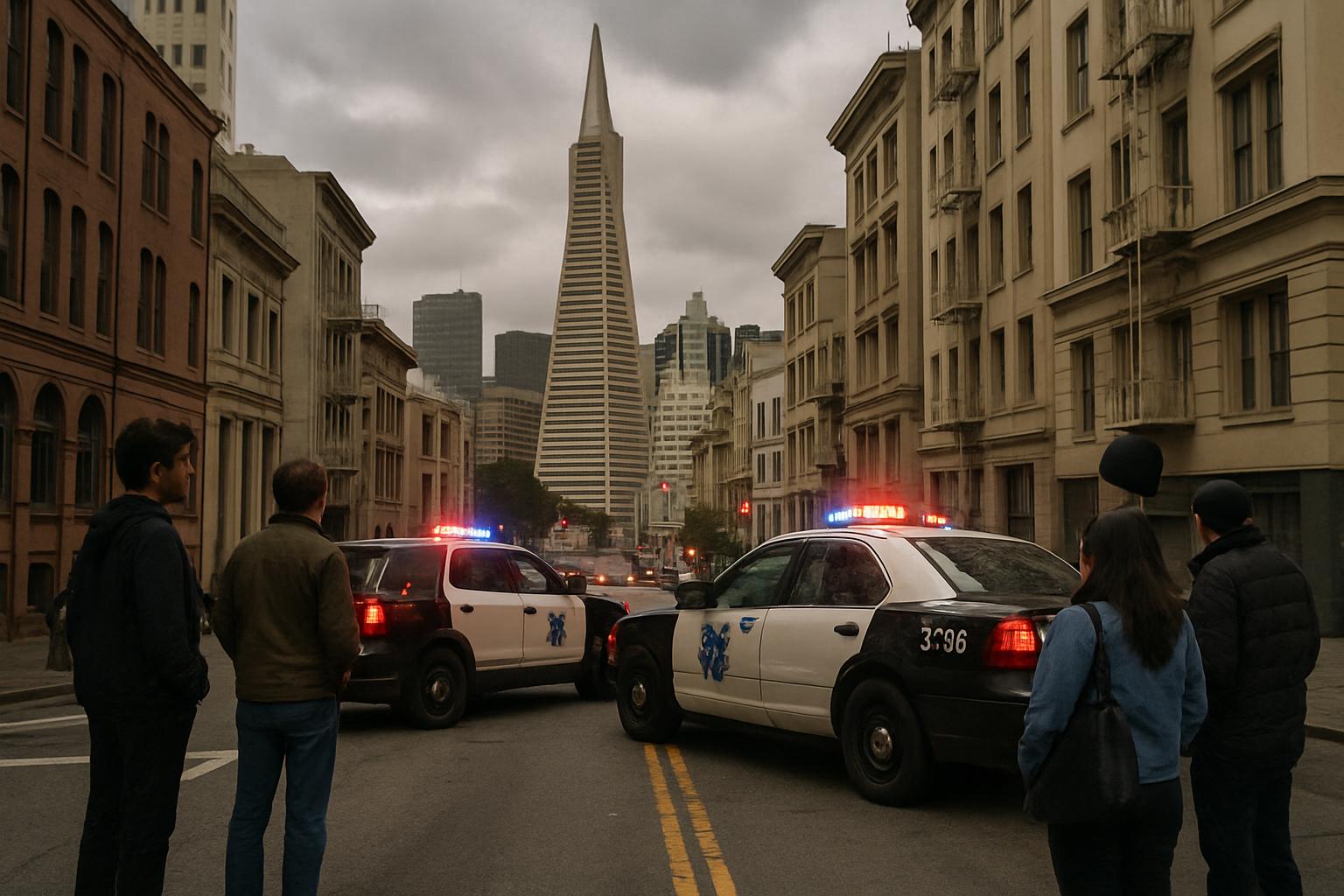
Police body-camera footage, though unreleased, reportedly captured the suspect fleeing toward Columbus Avenue. Consequently, patrol units circulated the description citywide within minutes. Meanwhile, OpenAI security alerted its control center after internal cameras flagged the same individual near 3rd Street. These coordinated alerts reduced pursuit time and prevented further property damage. Such rapid multi-agency action highlights lessons other high-growth firms must study. Timely intelligence sharing contained immediate risk. However, the broader security puzzle demands additional analysis in the following timeline section.
Verified Timeline And Response
Journalists pieced together the morning using dispatch logs and eyewitness calls. At 4:12 a.m., fire investigators opened case files now cross-referenced with SFPD databases. Furthermore, at 5:07 a.m., officers detained the suspect outside OpenAI’s Mission Bay lobby. Consequently, less than 60 minutes separated the home attack and the office threat. This compressed schedule illustrates escalating attacker confidence across multiple targets within a single urban grid.
- 4:12 a.m.: Gate ignites at Altman home, North Beach.
- 4:45 a.m.: Citywide BOLO issued for male suspect, age 20.
- 5:07 a.m.: Threat made at OpenAI campus, 1400 block 3rd Street.
- 5:15 a.m.: Suspect arrested, transported to SFPD headquarters.
Therefore, the official timeline rules out simultaneous conspirators, yet it underscores a mobile Radicalization Threat adapting quickly. Nevertheless, detectives continue reviewing ride-share data for hidden accomplices. These timeline insights feed directly into corporate risk assessments, as the next section explores.
Corporate Security Under Scrutiny
OpenAI’s internal memo thanked SFPD and reassured staff about reinforced access controls. Additionally, the note advised employees to badge twice at secondary checkpoints until further notice. In contrast, tenants in adjacent biotech labs received advisory emails but no mandatory lockdown directives. Experts argue that uneven alert distribution can breed confusion during fast-moving violence incidents. Consequently, chief security officers across San Francisco revisited their own contingency playbooks.
Security consultant Maya Lytton said organizations must harden both workspace and executive residences. Moreover, she linked hardened residences to reduced Radicalization Threat spillover onto public sidewalks. Professionals can enhance their expertise with the AI Security Level 1 certification. Such credentials teach structured assessment, early-warning analytics, and coordinated law-enforcement liaison. Corporate governance now sees security as strategic. However, activism perspectives shed additional light on motive and community tensions.
Activism And Potential Motive
Public speculation quickly connected the incident to prior demonstrations against generative AI firms. Nonetheless, SFPD emphasized that no motive has been confirmed. Stop AI group representatives condemned the violence yet denied involvement. Furthermore, they warned that mislabeling peaceful dissent as extremism could inflame a latent Radicalization Threat.
KQED archives show OpenAI weathered a campus lockdown in November 2025 after emailed threats. Consequently, analysts describe a pattern of pressure tactics escalating from banners to incendiary acts. Altman has previously advocated for balanced regulation, arguing transparency reduces radical misperceptions. Motives remain unverified pending digital forensic analysis. Therefore, legal proceedings must clarify intent, which the following section addresses.
Legal Process Moving Forward
At press time, the suspect remained unnamed while prosecutors reviewed possible arson and terror enhancements. Moreover, SFPD has not validated case numbers reported by a single outlet. District Attorney Brooke Jenkins must decide whether state or federal charges better fit the Radicalization Threat profile. Meanwhile, federal agencies are monitoring but have not assumed jurisdiction.
Legal scholars predict four possible counts:
- Use of destructive device.
- Attempted arson of inhabited structure.
- Terroristic threats against a business.
- Possession of incendiary materials.
Consequently, sentencing exposure could exceed 15 years if enhancements apply. Nevertheless, first-offense status may influence bail and plea negotiations. Statutory choices will signal prosecutorial stance. Subsequently, organizational leaders turn to mitigation planning, as the next section outlines.
Mitigation Steps For Leaders
Enterprise risk teams across San Francisco scheduled emergency tabletop exercises within hours of the arrest. Additionally, many circulated incident debriefs highlighting gate vulnerability and residential surveillance blind spots. Experts recommend a layered approach that treats every credible Radicalization Threat as a potential catalyst. Altman’s experience illustrates how online chatter can transition into physical risk rapidly.
Key defensive priorities include:
- Accelerating executive protection clearances.
- Hardening mailroom and visitor processes.
- Integrating public incident feeds into security dashboards.
Moreover, joint drills with local fire units close critical timing gaps revealed last week. Therefore, business continuity officers should benchmark response metrics quarterly. Preventive investment costs less than rebuilding trust after an attack. Nevertheless, the underlying Radicalization Threat ecosystem will persist, demanding ongoing vigilance.
The overnight events underscored how fast local incidents can echo through global headlines. Consequently, San Francisco’s innovation economy must now balance openness with hardened defenses. Altman’s rapid outreach and police coordination limited physical harm, yet reputational stakes intensified. Moreover, corporate, civic, and law-enforcement partners gained a live case study on managing a growing Radicalization Threat.
Nevertheless, unanswered questions about motive, charges, and potential networks keep security dashboards blinking red. Readers seeking actionable frameworks should pursue specialized learning, including the previously mentioned AI Security Level 1 credential. Stay informed, bolster safeguards, and revisit policies today.


