

AI CERTS
3 months ago
Streaming Slop: How AI Music Fraud Hits Spotify and Royalties
This report explains how AI music abuse works, who profits, and why the crackdown matters. Furthermore, we examine bold enforcement moves, technical countermeasures, and ethical certifications shaping the response. Readers will leave with actionable insights and context for navigating the Streaming Slop era.
AI Enables Mass Fraud
Generative models now churn out full songs in minutes. Moreover, accessible vocal cloning tools copy famous timbres with startling accuracy. Such scale sets the stage for industrial fraud campaigns.
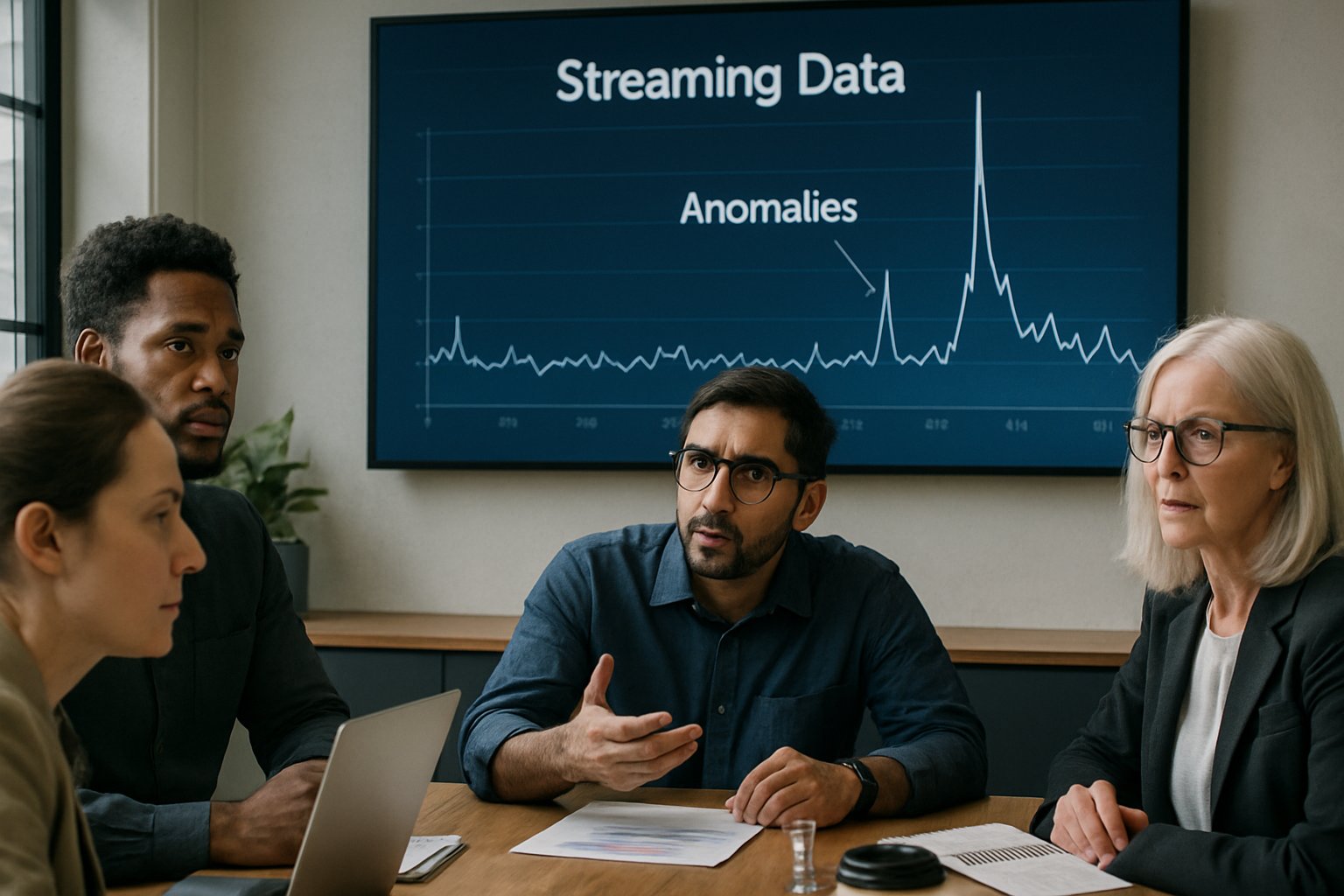
Bad actors upload thousands of AI tracks daily. Meanwhile, bots replay those tracks to harvest payouts from Spotify’s proportional pool. This synergy creates textbook Streaming Slop that dilutes genuine streams.
Artist impersonation also thrives in this environment. Consequently, fans may stumble upon deepfake duets never approved by the supposed performers. Reputational risk rises alongside lost revenue.
In short, AI abundance fuels new fraud vectors at massive scale. However, platforms have begun fighting back, as the next section details.
Platforms Tighten Policy
Spotify launched its anti-spam arsenal on 25 September 2025. Furthermore, the company banned unauthorized voice clones under revised impersonation rules.
The rollout combined a rolling music spam filter and DDEX metadata fields. Apple Music and Deezer adopted similar labeling, although application methods differ.
Spotify claims it removed 75 million spammy tracks within one year. Consequently, many Streaming Slop uploads vanished overnight. Nevertheless, deletion volume shows just how deep the problem runs.
Platforms also target Artist impersonation by verifying profile ownership and matching vocals algorithmically. These measures push fraudsters toward subtler tactics. In contrast, some legitimate experimental artists fear over-blocking.
Policy tightening demonstrates measurable progress yet far from total victory. Therefore, legal authorities have stepped in to raise the stakes.
Courts Enter The Chat
The United States made history on 19 March 2026. Michael Smith pleaded guilty to wire fraud for orchestrating AI streaming manipulation. Prosecutors said his bots generated billions of fake plays and earned $8 million.
U.S. Attorney Jay Clayton noted the money was real even if listeners were fictional. Consequently, sentencing on 29 July 2026 could bring substantial prison time.
Analysts view the plea as precedent against future Streaming Slop schemes. Moreover, international agencies are watching to replicate tactics.
Legal pressure amplifies platform efforts and chills some fraud networks. Meanwhile, financial figures reveal why attackers persist despite rising risk.
Money Lost To Bots
Beatdapp estimates 5–10 percent of global streams are fraudulent. Furthermore, IFPI cites 85 percent fraudulent activity on fully AI tracks at Deezer. Industry insiders translate those percentages into up to $2 billion annually.
- Spotify deleted 75 million spam tracks during 2025.
- Sony purged 135,000 AI deepfakes in March 2026.
- Deezer saw 60,000 AI uploads every day this January.
- Smith case involved hundreds of thousands of songs and billions of streams.
Consequently, every diluted penny harms working musicians across genres. Streaming Slop lowers their market share even if they avoid AI entirely.
The money trail clarifies motives and urgency. Therefore, technology providers are racing to detect bad actors earlier.
Detection Tech Advances Fast
Platforms embed machine learning models to flag abnormal listening curves. Additionally, third-party firms analyze distributor feeds before releases go live.
Beatdapp applies acoustic fingerprints and account clustering to spot bots quickly. Deezer labels tracks as AI when probability scores exceed internal thresholds.
Nevertheless, attackers iterate to escape pattern recognition. Some switch metadata fields or stagger plays across thousands of micro-accounts.
Certification programs now help executives grasp responsible deployment. Professionals can enhance governance skills through the AI Ethics for Business™ certification.
Detection tools improve daily yet must pair with broader industry cooperation. The next section explores emerging collaborative frameworks.
Collaborative Road Ahead
Spotify, Sony, UMG, WMG, Merlin, and Believe created an artist-first AI partnership last October. Moreover, DDEX metadata fields promise transparent AI disclosures across supply chains.
Labels prefer licensing over outright bans because opportunities remain lucrative. In contrast, unlicensed Streaming Slop corrodes consumer trust and chart integrity.
Stakeholders debate mandatory versus voluntary tagging on Apple Music. Subsequently, compliance data will reveal which strategy drives lower abuse incidents.
Cross-company alignment can shrink the attack surface significantly. Finally, leaders must translate these alliances into practical actions.
Key Moves For Leaders
Executives overseeing catalogs should audit distributor settings monthly. Additionally, enable automated alerts for suspicious surge patterns. Require vocal clone permissions in all contracts to curb Artist impersonation claims.
Marketing teams must avoid quick-hit playlist schemes involving bots. Consequently, brand equity remains intact when discovery feels authentic.
Educators should train staff on evolving compliance frameworks and penalties. Moreover, share the Streaming Slop glossary during onboarding.
Proactive governance reduces risk and prepares teams for rapid policy shifts. Therefore, organizations that adapt quickly will outperform hesitant peers.
Conclusion
AI’s musical promise arrives entangled with large-scale manipulation. However, robust policy, legal precedent, and analytics now counter that threat. Platforms deleting millions of tracks show early wins yet face relentless attackers. Consequently, Streaming Slop will not disappear overnight. Nevertheless, collective vigilance can shrink its footprint and restore royalty fairness. Business leaders should monitor enforcement dashboards and invest in staff training. In contrast, ignoring Streaming Slop exposes catalogs to revenue leakage and reputational harm. Explore further safeguards and upskill teams through the linked AI ethics certification today.
Disclaimer: Some content may be AI-generated or assisted and is provided ‘as is’ for informational purposes only, without warranties of accuracy or completeness, and does not imply endorsement or affiliation.


