

AI CERTS
4 hours ago
OpenAI’s 100GW Push Reshapes Grid Infrastructure
However, critics warn about subsidy risks and regional grid stress. The stage is set for an intense debate that blends technology ambition, energy strategy, and geopolitical stakes.
AI Power Demand Race
Data-center electricity draw keeps rising. IEA estimates usage will more than double by 2030. Moreover, accelerated servers amplify per-rack consumption. OpenAI’s forecast shows multi-gigawatt campuses serving single models. Therefore, planners tie AI success to reliable Grid Infrastructure. Analysts note the new demand rivals several states’ loads. Nevertheless, many interconnection queues already face years-long delays.
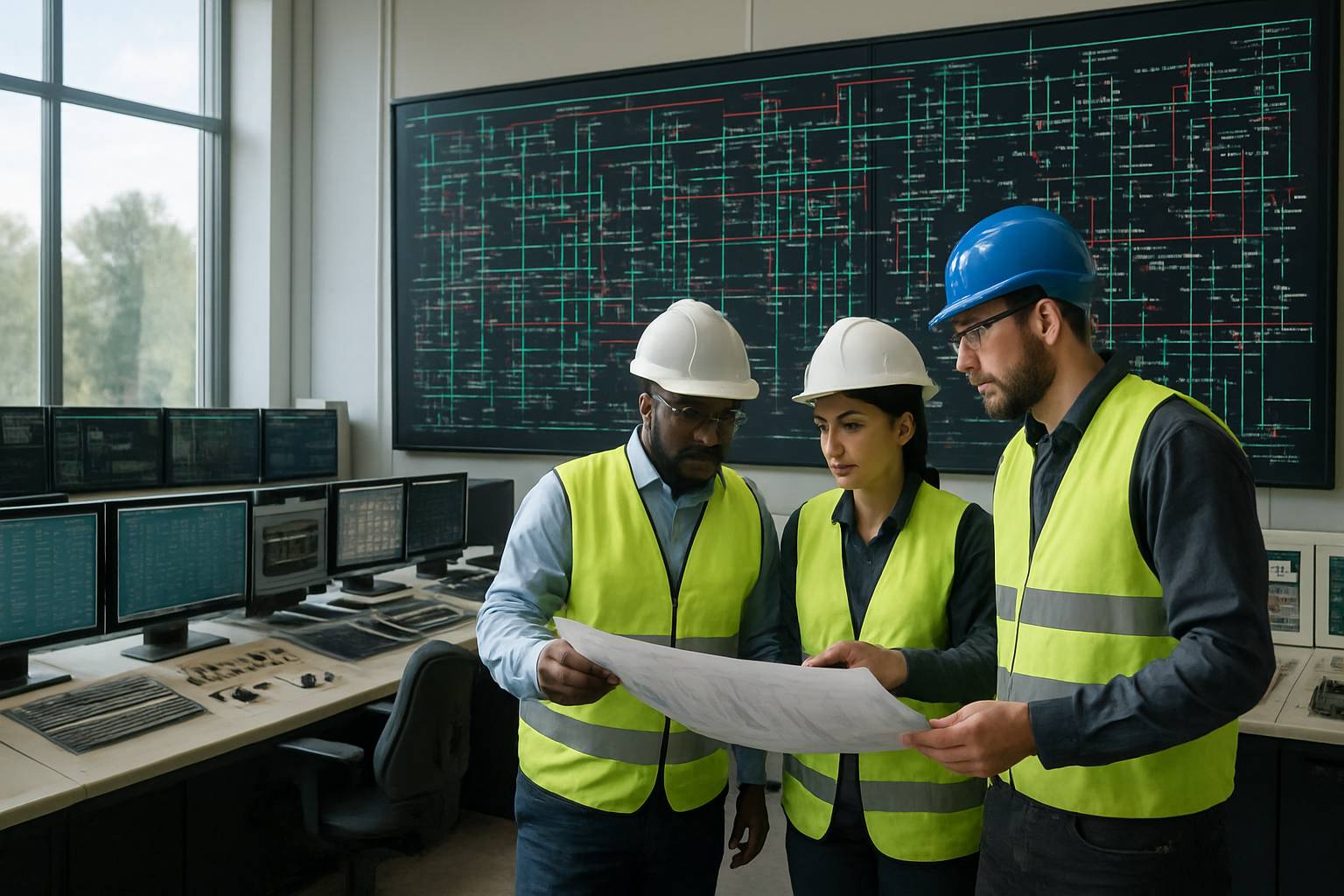
IEA lists 415 TWh consumed in 2024. DOE projects up to 580 TWh by 2028 in the United States alone. Consequently, grid operators flag thermal limits on transformers and substations. These warnings highlight a capacity gap that could stall innovation.
These numbers confirm AI’s power appetite. However, the next section examines structural hurdles.
Grid Infrastructure Core Challenges
Building generation is only one task. Transmission expansion, permitting, and siting complicate progress. Furthermore, local opposition slows new lines across several regions. Financial risk allocation also remains unsettled.
- Average U.S. capacity additions in 2024: 51 GW versus China’s 429 GW.
- LBNL sees U.S. data-center share of electricity reaching 12% by 2028.
- Six announced Stargate sites already need about 7 GW.
Each statistic underscores an urgent need for resilient Grid Infrastructure. In contrast, interconnection studies often exceed three years, delaying shovel-ready generators. These obstacles demand coordinated policy responses. Consequently, the following section details how OpenAI wants to meet its aggressive target.
OpenAI 100GW Capacity Vision
OpenAI’s October 2025 letter recommends a national 100 GW annual target. The company links competitiveness to cheap power, stating “the cost of AI will converge to the cost of energy.” Moreover, it promises to steer $500 billion of private capital toward new sites. Partners like Oracle and Nvidia already pledged multi-gigawatt deployments.
However, achieving that scale demands synchronized upgrades across Grid Infrastructure, workforce training, and supply logistics. OpenAI argues federal tax credits and loan guarantees can accelerate timelines. Nevertheless, Senate critics question potential taxpayer exposure. The policy battle reflects broader market competition over AI dominance.
This vision pivots on global rivalry. The next section compares expansion rates between the United States and China.
China Versus US Gap
China added 429 GW of capacity in 2024, dwarfing U.S. additions. Consequently, OpenAI warns of an “electron gap” undermining national advantage. Chinese provinces approve large solar and coal units within months, while U.S. permits linger years. Furthermore, Beijing links digital growth plans to state-owned utilities, bundling financing and land access.
Some analysts downplay direct kilowatt-for-kilowatt competition. They note diverse resource mixes and regulatory contexts. Nevertheless, investment momentum in China pressures Washington to respond. Therefore, policymakers now weigh whether OpenAI’s 100 GW target is ambitious or essential.
These contrasts frame political urgency. The next part reviews financing tools that could close the gap.
Investment And Policy Levers
Several incentives already exist. Production and investment tax credits support renewables and nuclear. Additionally, DOE’s Loan Programs Office backs large transmission projects. OpenAI seeks expanded credits for high-density data hubs co-located with clean plants. Consequently, legislators debate thresholds, caps, and clawback rules.
Private capital shows appetite. Nvidia’s letter of intent cites at least $100 billion for 10 GW of accelerator capacity. Moreover, pension funds eye stable returns from regulated assets. Still, volatile power prices may threaten off-take agreements unless Grid Infrastructure bottlenecks ease.
Diverse funding routes exist, yet trained labor and materials must follow. The next section addresses those constraints.
Workforce And Supply Chains
Transformer factories already report multiyear order books. Similarly, skilled lineworkers retire faster than trainees enter. Moreover, advanced nuclear modules need enriched fuel and specialized welders. Therefore, workforce programs and visa reforms surface in policy drafts.
Consequently, OpenAI promotes vocational grants tied to Stargate locations. Professionals can enhance their expertise with the AI Executive™ certification. Such efforts build managerial depth for massive Grid Infrastructure projects.
Material and talent gaps could slow momentum. However, strategic coordination may unlock timely delivery. The final section outlines immediate action items.
Strategic Actions Move Ahead
First, streamline interconnection studies through standardized modeling. Secondly, prioritize transmission corridors on federal lands to cut permitting cycles. Moreover, index tax incentives to delivered capacity, not nameplate promises. These steps align spending with measurable progress.
Third, publish quarterly dashboards tracking target progress, supply availability, and cost trends. Transparency deters overruns and fosters healthy competition. Finally, integrate AI-driven grid analytics to optimize dispatch and reduce wasted energy.
These measures convert ambition into execution. Nevertheless, sustained bipartisan support remains vital as elections approach.
Grid planners face unprecedented load growth. However, coordinated strategy can transform risk into opportunity.
Conclusion
OpenAI’s 100 GW proposal signals that AI success hinges on robust Grid Infrastructure. Consequently, policymakers must reconcile speed, cost, and community impact. China’s rapid builds intensify urgency, while domestic competition fuels innovation. Key levers include adaptive finance, streamlined permits, and skilled labor pipelines. Moreover, transparent dashboards will keep the ambitious target accountable. Interested readers should explore certifications to lead forthcoming projects. Therefore, act now and position yourself at the forefront of the power-AI convergence.


