

AI CERTs
4 months ago
Netflix InterPositive Deal Boosts Filmmaker-Focused AI Toolkit
Hollywood woke to major AI news on 5 March 2026. Netflix announced it had bought InterPositive, the stealth postproduction startup launched by Ben Affleck. The move surprised many yet matched wider AI adoption trends. Consequently, the phrase Netflix InterPositive quickly trended across industry feeds.
The streamer framed the acquisition as a filmmaker-first investment rather than an experiment in synthetic video. Moreover, executives promised that the technology would empower creatives instead of replacing them. This introduction explains what the company purchased. It also outlines how the tools work and why the deal matters for every modern film workflow.
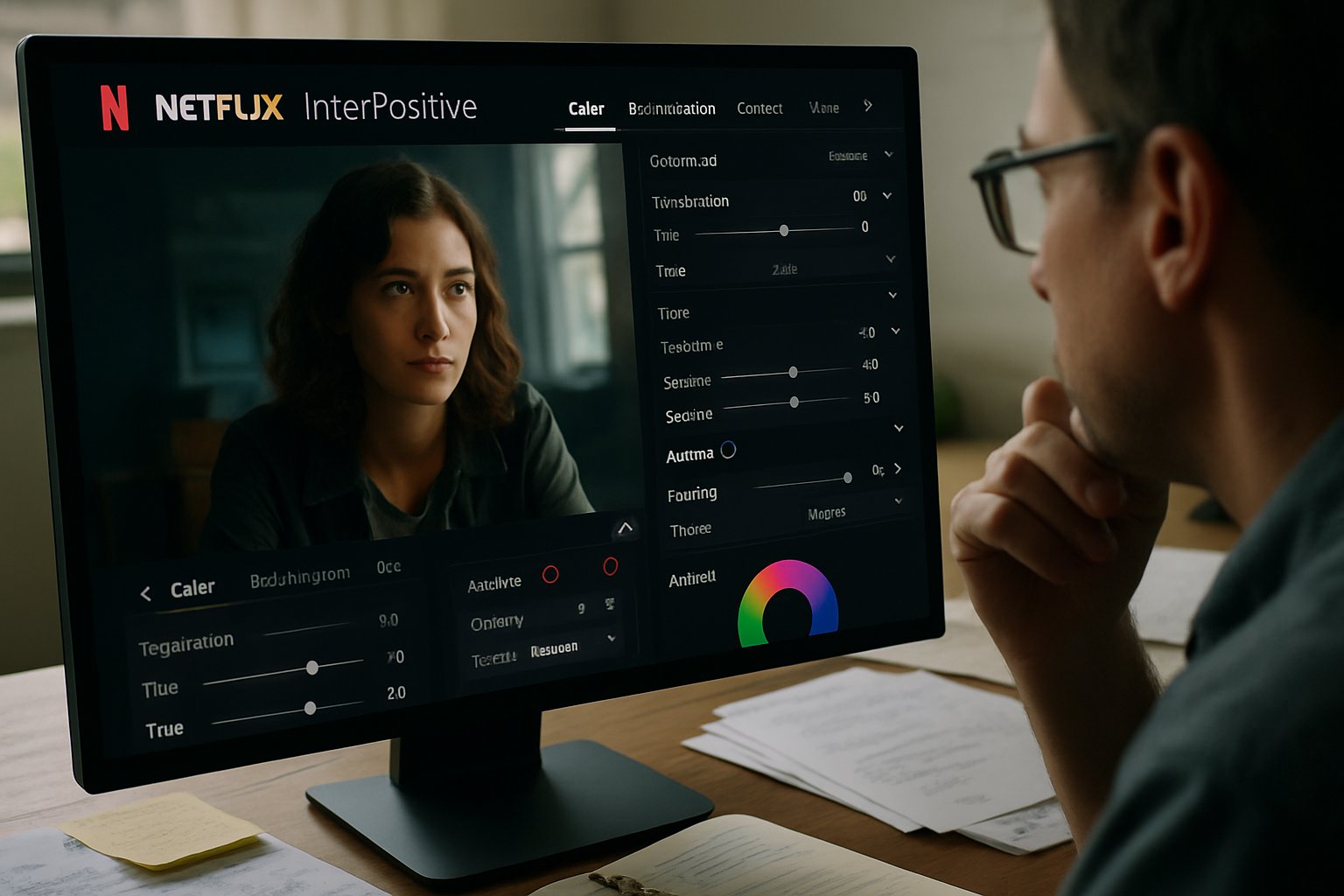
Additionally, the article explores market numbers, labor reactions, and competitive context. Readers will gain a clear picture of postproduction AI’s next phase. They will also understand how Netflix plans to deploy its new asset. Transitioning from headlines to hard analysis, we begin with the strategic logic behind the purchase.
Deal Signals Strategic Shift
Netflix’s news release outlined core facts. The service bought the 16-person venture and hired its entire team. Affleck will serve as senior adviser, while engineering staff join Netflix’s product organization. Notably, financial terms remain undisclosed, suggesting a talent-first transaction. Industry chatter views the marriage as the first true Netflix InterPositive integration step.
Furthermore, Elizabeth Stone, Chief Product & Technology Officer, stressed a creator-led philosophy. She said the acquisition “meaningfully serves the needs of the creative community.” In contrast, previous AI rollouts from other studios focused on cost cutting alone.
Meanwhile, analysts see another layer. After walking away from Warner Bros. assets, Netflix needed a visible technology win. Therefore, bringing InterPositive inside delivers proprietary capability and calms partners worried about text-prompt generators.
These points reveal purposeful positioning. However, understanding the technology itself clarifies the long-term wager.
Netflix gains talent, goodwill, and exclusive tooling. Consequently, the firm strengthens its supply-chain control. Next, we examine InterPositive’s unique models.
Inside InterPositive AI Technology
InterPositive builds project-specific AI models from production dailies rather than massive public data. Consequently, each algorithm inherits the exact visual language of the individual film. That approach prevents uncanny mismatches and preserves directorial intent.
Moreover, the system focuses on narrow, critical postproduction tasks. Common functions include automated relighting, continuity repair, cable removal, and subtle background swaps. Importantly, human editors retain final control, choosing which suggestions become locked cuts.
Ben Affleck emphasised this guardrail during the announcement. He argued that judgment remains human while tedious fixes shift to silicon. Netflix InterPositive engineers echo that stance, stating that no text prompts can generate whole scenes within the platform.
The tools also avoid likeness reuse issues because they never train on unrelated footage. Therefore, unions may view the platform as less threatening than open-ended generators.
The dailies-first method differentiates InterPositive from rivals. Subsequently, market data explains why Netflix values that edge.
Market Context And Growth
Global demand for media AI has accelerated. Grand View Research pegs the 2024 market at USD 25.98 billion and expects USD 99.48 billion by 2030. Consequently, platforms race to secure proprietary stacks that lower costs and raise output quality.
In contrast with open vendors, Netflix InterPositive becomes an internal differentiator. Rivals must license external tools or develop fresh code amid scarce talent.
Additionally, the acquisition aligns with Netflix’s vertical integration trend. Previous investments in production soundstages and animation pipelines signalled similar motives. Analysts predict greater margin control when algorithms shrink reshoot budgets and compress delivery schedules.
However, tactical benefits only matter if creatives actually adopt the tools. Understanding product value to filmmakers is therefore crucial.
Explosive AI spending justifies bold M&A decisions. Moreover, clear creative gains will determine real success, as the next section shows.
Benefits For Netflix Creatives
Filmmakers often dread budget overruns triggered by simple postproduction continuity errors. Consequently, InterPositive promises tangible wins across several disciplines.
- Faster relighting adjustments that match established color palettes.
- Instant cable or rig removals, saving costly VFX hours.
- Missing angle generation using production dailies, avoiding emergency pickups.
- Consistent grading suggestions that respect the film’s LUT hierarchy.
Additionally, editors gain immediate previews rather than waiting days for offline composites. Ben Affleck noted that morale improves when fixes appear in minutes instead of weeks.
Netflix InterPositive therefore acts as a silent partner, reducing friction without overshadowing craft.
These benefits shorten timelines and cushion budgets. Nevertheless, every advantage carries possible downsides, addressed next.
Challenges And Industry Concerns
Hollywood unions remain cautious. SAG-AFTRA and the DGA continue negotiating AI clauses that cover likeness rights and job security. Moreover, VFX crews worry about workload compression without parallel compensation.
LA Times coverage framed the Netflix InterPositive move as a test case for “assistive” claims. Nevertheless, closed access can still shift bargaining leverage toward studios.
Technical limitations also surface. The platform needs completed dailies before training can start. Therefore, productions cannot rely on it to envision entire scenes during development.
Finally, exclusivity raises fairness questions. Smaller independent producers may find themselves at a disadvantage when competing for viewer attention.
Labor and fairness debates will intensify throughout 2026. Consequently, comparing InterPositive with rival vendors sharpens perspective.
Competitive Landscape Quick Snapshot
Several AI video startups chase similar goals. Runway, OpenAI’s Sora, and Luma aim to synthesize footage from scratch. In contrast, Netflix InterPositive stays inside the filmed frame, enhancing rather than inventing.
Furthermore, enterprise VFX providers like Industrial Light & Magic push proprietary pipelines. However, those postproduction services remain expensive and bandwidth heavy for streaming series.
Consequently, Netflix’s decision to internalize a lightweight tool-kit could influence rivals such as Amazon MGM Studios. Analysts expect additional acquisitions as content arms races escalate.
The field therefore divides into two camps: generative futurists and production pragmatists. Strategic outcomes depend on delivery speed, quality, and legal clarity.
Competitive pressure validates Netflix’s timing. Subsequently, we look at upcoming milestones and integration steps.
What Happens Next Stage
Netflix plans to offer the tools to internal productions and select external partners this year. Pilot projects will likely include forthcoming Netflix InterPositive test runs on Artists Equity titles, according to trade insiders.
Meanwhile, product teams and newly hired engineers must refine user interfaces suitable for cinematographers unfamiliar with coding. Moreover, Netflix InterPositive documentation needs clarity around data retention and audit logs.
Professionals seeking policy frameworks can deepen expertise through the AI Policy Maker™ certification. Such training helps stakeholders build governance models for on-set AI usage.
Netflix executives promised public demonstrations at an upcoming Tudum Tech showcase. Consequently, operational transparency may ease union anxiety and boost adoption.
Rollout success will hinge on trust and results. Nevertheless, stakeholders should prepare policies before large-scale deployment.
Hollywood’s next production cycle may feel different. The Netflix InterPositive initiative fuses bespoke AI with seasoned creative judgment. Consequently, teams can correct errors faster, reclaim schedule days, and uphold artistic standards. However, broader success depends on transparent governance, fair labor terms, and measured rollout.
Ben Affleck’s founding vision now scales globally through Netflix’s vast infrastructure. Moreover, explosive market forecasts indicate that similar alliances will follow across the industry. Professionals who want to influence forthcoming standards should pursue specialized credentials and stay engaged with policy debates.
Stay ahead by exploring the linked certification and subscribing for future coverage on AI production trends.
Disclaimer: Some content may be AI-generated or assisted and is provided ‘as is’ for informational purposes only, without warranties of accuracy or completeness, and does not imply endorsement or affiliation.


