

AI CERTS
5 months ago
OpenClaw’s GitHub Stars Controversy Hits 200k
GitHub Stars Controversy Deepens
Star velocity shocked analysts. Moreover, the repository added roughly 220,000 stars within 84 days of launch. In contrast, Kubernetes needed five years for similar numbers. Many builders call the growth organic. Nevertheless, some observers link the surge to hype, bot accounts, and headline attention, fueling the GitHub Stars Controversy. Independent GitHub Archive pulls show several single-day jumps above 25,000 stars. Such abrupt spikes often signal scripted starring, yet no formal audit confirms abuse. These patterns feed community debate. Consequently, trust in the star metric has weakened, prompting calls for verification.
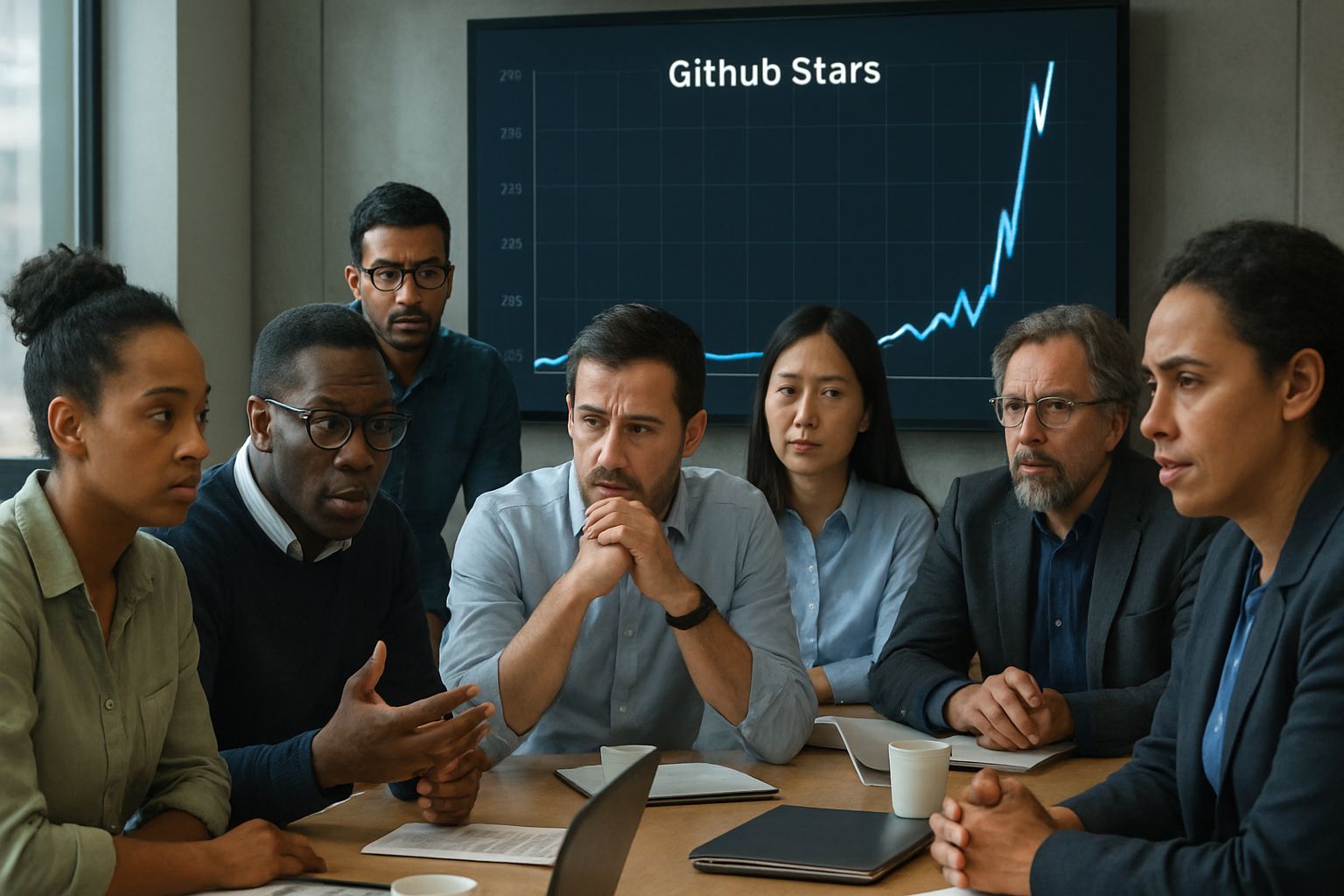
These doubts illustrate metric fragility. However, adoption remains real judging by 41,800 forks and 14,000 commits. The section shows that discussion about numbers cannot ignore tangible code activity. Developers keep contributing, keeping momentum alive. Yet the GitHub Stars Controversy continues shaping perception.
Record Star Surge Risk
Rapid fame amplifies attack incentives. Consequently, security researchers raced to inspect the project’s surface. Hudson Rock uncovered infostealer samples harvesting agent “soul” files. Furthermore, Censys scans located tens of thousands of exposed gateways. Each gateway stored plaintext keys, expanding blast radius. The Verge later counted hundreds of malicious skills posted to ClawHub during January alone. Such findings intensified the GitHub Stars Controversy by linking popularity with live compromise.
Key reported numbers include:
- ~28 malicious skills identified on 31 January, ballooning to "hundreds" by 2 February
- CVE-2026-25253 enabling remote code execution through malformed skill metadata
- BitSight detection of 18,000 publicly reachable instances within 48 hours of disclosure
These statistics clarify scale. Moreover, they explain why some enterprises paused evaluations. Overall, the record surge created a sprawling, risky footprint. Consequently, pressure mounted for rapid hardening.
Skill Marketplace Attack Surface
OpenClaw’s skill system powers innovation. Additionally, it creates an unmoderated package ecosystem. Jason Meller from 1Password called ClawHub "an attack surface" during a recent interview. Malicious actors abuse social proof, naming skills “Gmail Helper” or “Turbo Scheduler” to boost installs. Subsequently, scripts execute hidden curl commands, retrieving infostealers or clipboard hijackers. Researchers flagged this pattern repeatedly, deepening the GitHub Stars Controversy.
Meanwhile, the community debates vetting models. One proposal suggests signed manifests verified through Sigstore. Another recommends sandboxed execution by default. However, both ideas demand architectural change. Peter Steinberger Open Source Autonomous advocates prefer minimal gatekeeping. Their stance says openness fuels creativity. Nevertheless, breaches prove moderation now feels inevitable.
The takeaway is clear: flexibility without review enables rapid malware propagation. Therefore, marketplace governance will decide future trust. Developers await concrete plans.
Infostealers Target Agent Souls
Hudson Rock labeled the theft of agent memory files "a new infostealer phase." Moreover, Alon Gal compared the files to digital identities. Attackers exported API tokens, OAuth secrets, and conversation state. Consequently, cloned agents could impersonate owners across messaging channels. In contrast, earlier malware focused on browser cookies. The shift alarmed blue teams and magnified the GitHub Stars Controversy.
Peter Steinberger Open Source Autonomous community members reacted quickly, merging patches that encrypt local secrets. Nevertheless, many users still run outdated versions. Makers publishing video tutorials occasionally skip security flags, unknowingly aiding exploits. Therefore, awareness campaigns remain vital.
This episode illustrates that agent frameworks introduce fresh data classes. Moreover, defenders must adjust playbooks accordingly. These challenges highlight critical gaps. However, emerging mitigations show promise.
Founder Joins OpenAI Amid
February brought another surprise. Peter Steinberger announced his move to OpenAI, citing mission alignment. Furthermore, he promised to sustain OpenClaw through a foundation model. Sam Altman welcomed him, noting a "multi-agent future." Supporters celebrated increased resources. Conversely, skeptics questioned commitment to full openness, reviving the GitHub Stars Controversy.
Peter Steinberger Open Source Autonomous supporters trust his track record. However, governance charters remain unpublished. Moreover, licensing changes could arise under corporate influence. Consequently, observers track repository issues for early signals. An open meeting scheduled next month will outline foundation bylaws. The community expects clarity on security funding.
The leadership shift concludes a dramatic quarter. Transition details will steer contributor confidence. Therefore, transparency may calm speculation.
Enterprise Risk Management Steps
CISOs evaluating OpenClaw now follow structured checklists. Additionally, they map agent privileges, reviewing required API scopes. Recommended controls include:
- Isolate gateways on dedicated subnets with strict ingress rules
- Pin skill versions and audit code before deployment
- Rotate tokens stored within “soul” files weekly
- Monitor outbound traffic for unexpected exfiltration patterns
- Enroll analysts in the AI Security Level 1 program to build defensive expertise
These practices stem from incident postmortems. Moreover, regulators increasingly expect AI control evidence during audits. Consequently, companies integrating agent frameworks face board-level scrutiny. Peter Steinberger Open Source Autonomous contributors have begun drafting hardening guides, yet adoption rates lag star counts.
This section underscores actionable steps. Nevertheless, organizational culture often dictates security maturity. Therefore, leadership buy-in remains decisive.
Future Governance Path Outlook
Looking forward, several scenarios emerge. One, the foundation institutes mandatory skill signatures, reducing supply-chain threats. Two, OpenAI channels resources, accelerating professional security reviews. Three, competing frameworks replicate OpenClaw’s model but start secure-by-default, diffusing the GitHub Stars Controversy.
Peter Steinberger Open Source Autonomous leaders hint at quarterly security bounties. Additionally, they propose automated static analysis for every pull request. Meanwhile, researchers lobby for encrypted default storage. Consequently, consensus may coalesce around layered defenses.
The road map remains fluid. However, widespread attention ensures rapid iteration. These possibilities reveal both risk and opportunity. Therefore, stakeholders should stay engaged and informed.
Overall, governance outcomes will determine whether the GitHub Stars Controversy fades or intensifies. Continual dialogue appears essential.
OpenClaw’s meteoric rise delivers innovation and risk in equal measure. Moreover, malicious skills, exposed gateways, and infostealer campaigns showcase urgent challenges. Nevertheless, community energy, corporate backing, and emerging standards offer hope. Consequently, organizations must adopt layered defenses, pursue ongoing education, and monitor governance moves. Professionals can deepen readiness through the AI Security Level 1 certification. Proactive learning today safeguards agent deployments tomorrow.
Disclaimer: Some content may be AI-generated or assisted and is provided ‘as is’ for informational purposes only, without warranties of accuracy or completeness, and does not imply endorsement or affiliation.


