

AI CERTS
1 hour ago
Stargate Pause Tests Sovereign AI Ambitions
Industry leaders admit the decision dents confidence. Nevertheless, they argue the setback also clarifies where policy must evolve. This article dissects the pause, outlines economic ripples, and suggests next steps for stakeholders intent on salvaging Britain’s sovereign compute vision.
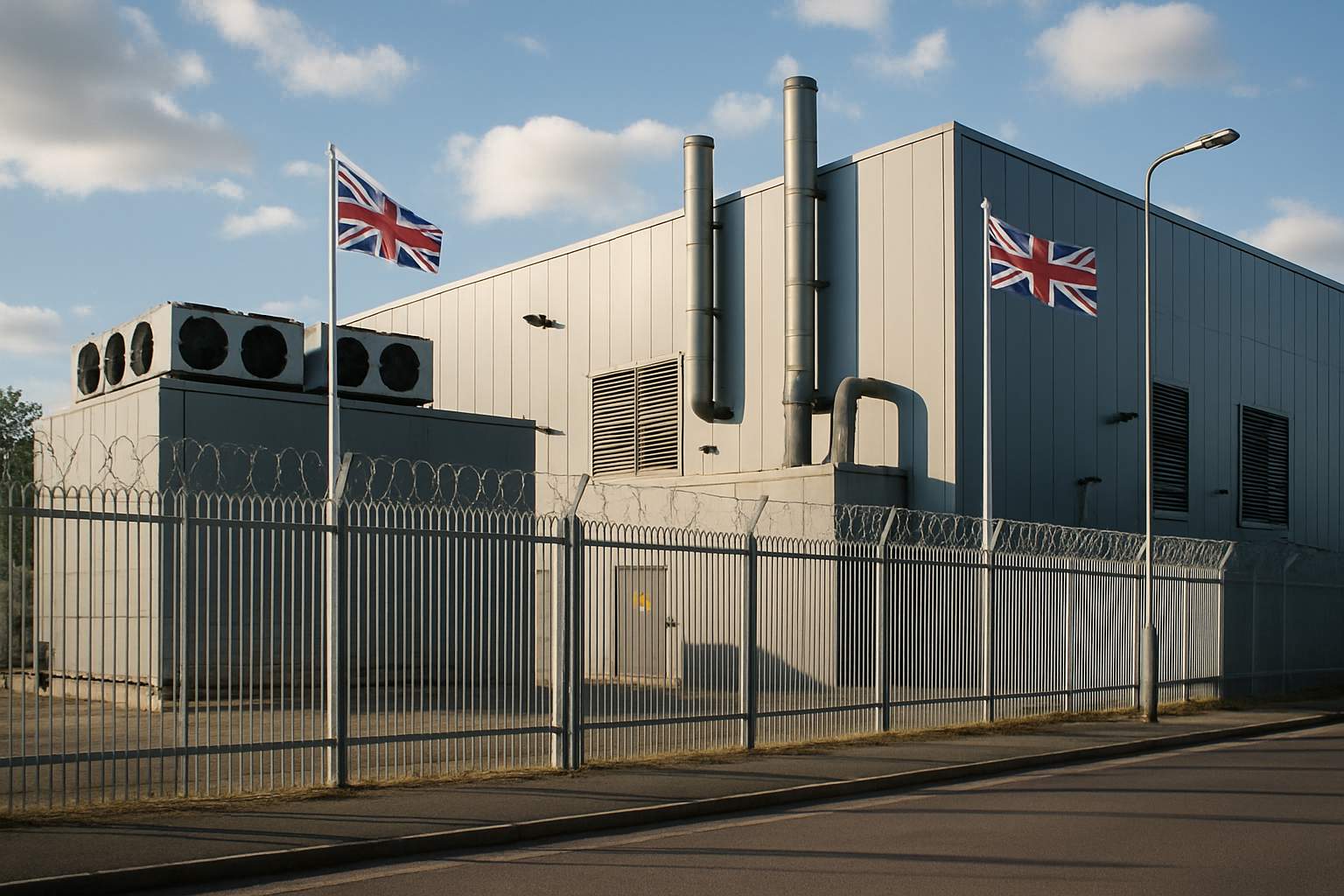
Project Paused, Stakes Rise
The Stargate vision emerged publicly on 16 September 2025. OpenAI announced plans to procure up to 8,000 NVIDIA GPUs during Q1 2026 and later scale to 31,000. Moreover, the firm partnered with Nscale to anchor build sites such as Cobalt Park in North-East England.
Government ministers hailed the plan as proof of Britain’s Sovereign AI Ambitions. Meanwhile, analysts warned timelines seemed optimistic given power-grid strains. Their caution proved prescient. On 9 April 2026, OpenAI stated it would resume only when energy prices and regulation improved.
- GPU target: 8,000 initially, 31,000 potential.
- Headline investment: approximately £31 billion across linked US tech pledges.
- Industrial electricity price: about 26.63 pence per kWh in 2024.
These figures underscore the scale at risk. However, they also highlight Britain’s ability to attract marquee projects when conditions align.
Stargate’s halt shocks policymakers. Consequently, attention shifts to the cost base undermining commitments.
Energy Costs Undercut Plans
Data centres devour electricity. Furthermore, GPU clusters demand high-density, stable supply. UK industrial rates currently rank among Europe’s most expensive. Therefore, operational economics quickly erode.
OpenAI cited power prices first in its pause statement. In contrast, Norway and certain US states offer renewable energy at half the UK rate. Additionally, they provide faster grid connections. Investors chase margins, so the differential matters.
Nscale insiders report local distribution operators could not guarantee timely 100-megawatt feeds. Meanwhile, Ofgem connection queues lengthened. Consequently, developers faced extra capital outlay for on-site substations.
These challenges expose a hard truth. Britain’s Sovereign AI Ambitions depend on competitive kilowatt hours as much as bright researchers.
High electricity costs remain the primary barrier. However, policy reforms alone cannot close the gap without energy-market action.
Regulation Fuels Investor Caution
Energy concerns were not isolated. Moreover, evolving copyright rules added uncertainty. The government is drafting guidance under the Data (Use & Access) Act, yet timelines slip. Consequently, model trainers fear retroactive liability for training data.
OpenAI lawyers flagged that ambiguity. Microsoft lobbyists voiced similar worries during consultation submissions. Meanwhile, creative-industry groups demand stricter licensing rules. Investors watching parliamentary hearings saw risk, not clarity.
In contrast, Singapore issued binding AI governance codes last year, boosting confidence. Therefore, regulatory predictability now rivals tax incentives in importance.
The pause spotlights Britain’s delicate balance between innovation and protection. Ultimately, clear statutes will determine whether Sovereign AI Ambitions regain credibility.
Uncertain rules chilled capital flows. Nevertheless, swift clarification could still lure projects back.
Economic Impact Onshore Compute
Stargate UK promised up to 700 construction jobs and hundreds of permanent positions. Furthermore, regional councils in Tyne and Wear counted on ancillary supply-chain work. Those projections now stall.
Uptime Institute’s Andy Lawrence observed the “sense of urgency has dissipated.” Nevertheless, he added that leasing capacity from hyperscalers remains an alternative. Companies can still fine-tune models locally, yet sovereignty claims weaken without owned silicon.
Opposition MPs seized on the news. Ben Spencer noted that high costs drive investors elsewhere, questioning ministerial Ambition. Meanwhile, the government highlighted over £100 billion of cumulative private AI investment since 2020. Both narratives hold partial truth.
The immediate hit is reputational rather than fiscal. Yet, reputational blows compound. Therefore, officials must present a credible recovery roadmap.
Delayed jobs dampen regional hopes. However, proactive incentives could revive local confidence soon.
Global Strategy Now Shifts
Stargate’s pause fits a wider strategic pivot. OpenAI is reassessing capital-intensive builds. Additionally, reports suggest Norwegian and US expansions entered review stages. Leasing from Microsoft Azure or other clouds offers flexibility without long depreciation cycles.
Consequently, the company may adopt a blended model: own flagship hubs near cheap renewables while renting burst capacity elsewhere. This trend mirrors moves by Anthropic and Cohere, which recently deepened cloud partnerships.
For governments, the lesson is sober. Sovereign compute requires predictable demand and competitive costs. Otherwise, global firms pursue lighter commitments. Britain’s Sovereign AI Ambitions now compete against agile procurement strategies.
OpenAI’s evolving playbook signals that ownership models are fluid. Nevertheless, transparent incentives can still attract durable footprints.
Policy Options Moving Forward
Officials possess levers to rebuild momentum. Firstly, accelerated grid-connection reforms could cut lead times. Secondly, targeted energy rebates for high-efficiency sites might bridge cost gaps. Moreover, fast-tracking the copyright guidance would calm legal nerves.
Professionals seeking to advise policymakers can deepen expertise through the AI For Government™ certification. Equipped leaders shape frameworks that convert rhetoric into reality.
- Secure long-term power purchase agreements tied to renewable generation.
- Streamline planning approvals for modular data-centre builds.
- Publish binding AI training exemptions with fair-compensation mechanisms.
- Create a sovereign compute grant aligned to verifiable GPU deployments.
Each step narrows the gap between promise and execution. Therefore, sustained political will remains essential for Britain’s Sovereign AI Ambitions.
Policy tools exist to entice investors. Consequently, coordinated action could convert paused plans into active builds.
Section Recap
Britain still commands research talent and demand. However, cost and clarity shortcomings hinder immediate progress. Stakeholders must act decisively.
Conclusion And Next Steps
Stargate UK’s suspension delivers a sharp reality check. Nevertheless, it also clarifies action points. Competitive energy, decisive regulation, and collaborative financing will determine whether Sovereign AI Ambitions thrive.
Furthermore, global compute strategies are fluid, offering the UK a second chance if conditions improve. Leaders should therefore move quickly, leveraging expert guidance and targeted incentives.
Ambitious professionals can shape that agenda today. Consequently, enrol in the AI For Government™ program and help transform pause into progress.
Disclaimer: Some content may be AI-generated or assisted and is provided ‘as is’ for informational purposes only, without warranties of accuracy or completeness, and does not imply endorsement or affiliation.


