

AI CERTS
1 hour ago
Pentagon’s Military AI Deals Reshape Classified Defense
Analysts quickly noted the scale. Over 1.3 million personnel already experiment with GenAI.mil, the Pentagon’s internal platform. Consequently, leaders wanted richer tools. They turned to seven vendors, including OpenAI, Google, and NVIDIA. Importantly, Military AI deployments must respect vendor guardrails while meeting operational needs.
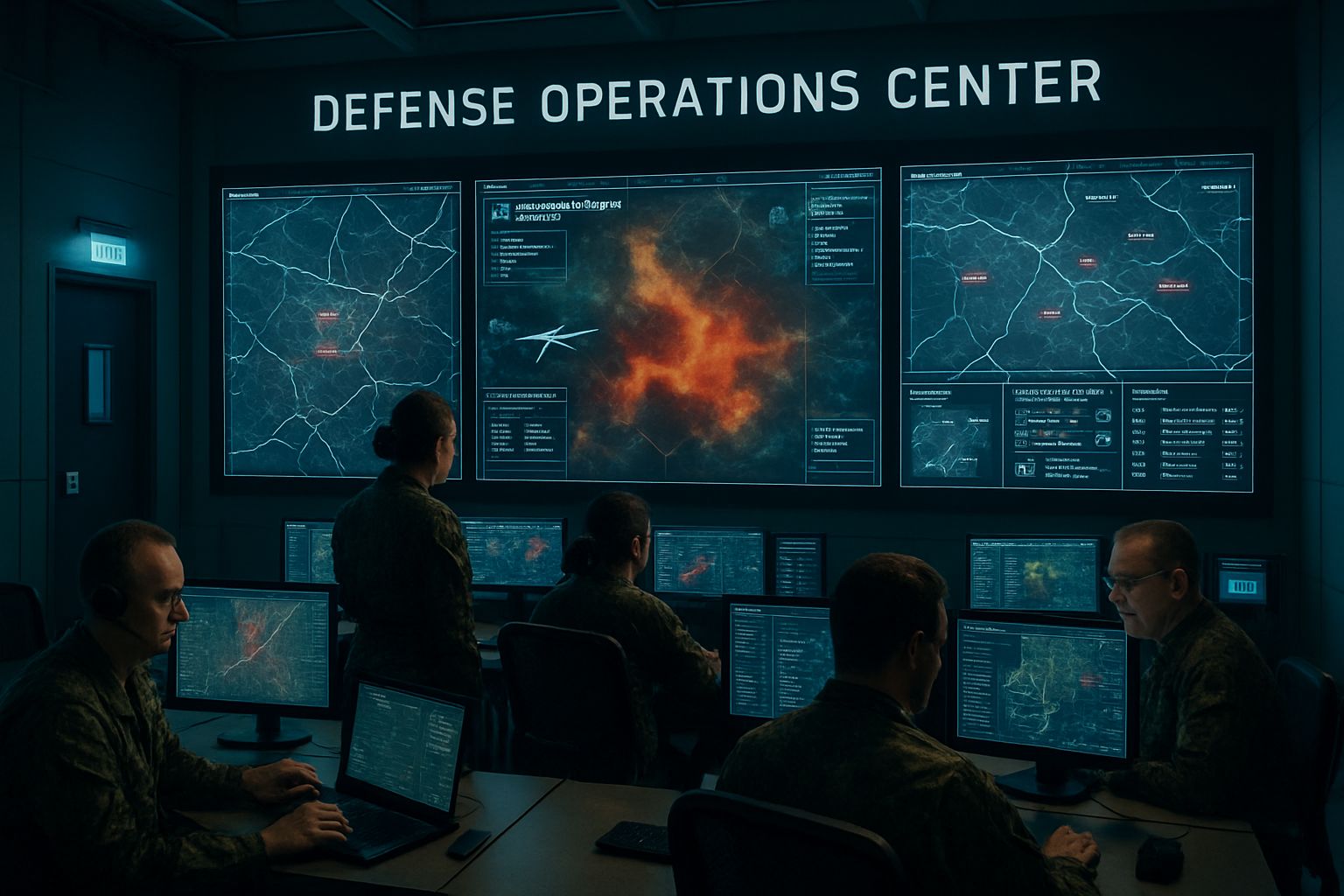
Pentagon Deal Overview Update
Under the new framework, the Pentagon can run vendor models inside Impact Level 6 and Impact Level 7 clouds. Those tiers protect Secret and compartmented workloads. Therefore, commanders gain faster insight without moving data to lower environments.
DoD Chief Technology Officer Emil Michael emphasized diversification. “It’s irresponsible to be reliant on any one partner,” he told CNBC. In contrast, critics warn that broad “lawful operational use” language could invite mission creep.
These agreement basics anchor future collaboration. However, deeper questions about oversight and accountability remain.
Leaders achieved immediate capability growth. Yet potential governance gaps persist as the story progresses.
Vendors And Exclusions List
The signed roster features OpenAI, Google, Microsoft, Amazon Web Services, NVIDIA, SpaceX, and Reflection. Each firm will integrate custom models into GenAI.mil. Additionally, Google and Microsoft will supply optimized accelerator hardware.
Notably absent is Anthropic. The startup refused to relax guardrails limiting autonomous weapons and surveillance. Subsequently, the Pentagon labeled it a supply-chain risk, prompting litigation.
Industry voices praised the expanded bench. Nevertheless, some engineers worry that swapping vendors mid-program inflates integration costs.
This lineup illustrates a strategic pivot. Meanwhile, the Anthropic dispute underscores unresolved ethical friction.
Technical Scope Explained Now
OpenAI disclosed three red lines: no mass domestic monitoring, no lethal autonomy, and no automated social credit scores. Furthermore, its deployment will remain cloud-only with cleared staff in the loop.
Impact Levels Detailed View
• Impact Level 6 protects Secret data and tactical communications.
• Impact Level 7 guards top-secret compartmented intelligence.
• Both levels demand continuous auditing and encryption.
Running large models behind these controls required hardened gateways. Therefore, Amazon and Microsoft deliver air-gapped clusters. SpaceX contributes edge nodes aboard military satellites.
These architectural choices tighten security. However, they also increase latency and cost for real-time tasks.
Technical safeguards strengthen trust. Yet implementation trade-offs may affect mission tempo in later phases.
Benefits And Concerns Raised
Proponents argue the agreements will cut analysis cycles from weeks to hours. Moreover, predictive maintenance algorithms could trim aircraft downtime by 20 percent, according to internal pilots.
Civil-liberties groups remain skeptical. Consequently, they demand transparent audits of all Classified prompts. They also question whether human commanders will always approve lethal recommendations.
Key advantages and risks appear below.
- Operational gain: faster targeting, logistics, and intelligence fusion.
- Redundancy: reduced vendor lock and greater supply resilience.
- Privacy risk: potential expansion of domestic surveillance authorities.
- Oversight gaps: limited public insight into Classified algorithms.
These pros and cons define the debate. Nevertheless, Pentagon leadership insists strict review boards will govern usage.
Strategic benefits entice decision makers. However, civil society pressure will shape long-term trust.
Policy And Governance Impacts
Legal scholars frame the clash with Anthropic as a watershed. Moreover, Georgetown’s CSET observes that vendor guardrails are now central to procurement negotiations.
Consequently, lawmakers may update acquisition rules to codify acceptable AI safeguards. The forthcoming National Defense Authorization Act already features related amendments.
Professionals can enhance their expertise with the AI for Government™ certification. Graduates learn compliance strategies for secure model deployments.
Governance debates are intensifying. Meanwhile, certification programs prepare leaders to navigate evolving rules.
Future Outlook Signals Ahead
DoD officials plan quarterly capability reviews. Additionally, they expect to onboard open-weight models for niche missions. Reflection’s lightweight architecture will support disconnected operations at sea.
Budget analysts predict new contracts could exceed $500 million over three years. Nevertheless, exact figures remain undisclosed.
In the next fiscal cycle, Military AI experiments will likely expand to cyber defense drills. Furthermore, command schools may integrate generative tutors for language and cultural training.
Early milestones have arrived. Yet sustained success depends on measurable impact and continued oversight.
These future signals show growing momentum. Consequently, stakeholders must track metrics to judge real value.
Conclusion
The Pentagon’s latest agreements propel Military AI deeper into secure missions. Vendors gain unprecedented access to Impact Level clouds, while leaders gain rapid analytic power. However, legal, ethical, and cost challenges persist. Moreover, civil-liberties advocates will monitor every Classified deployment. Professionals should stay informed and pursue specialized training. Therefore, consider earning the linked certification to guide responsible adoption.
Act now to master emerging standards and shape the next era of secure, effective Military AI.
Disclaimer: Some content may be AI-generated or assisted and is provided ‘as is’ for informational purposes only, without warranties of accuracy or completeness, and does not imply endorsement or affiliation.


