

AI CERTS
54 minutes ago
Sanders Seeks International AI Regulation Amid Data Center Freeze
Public concern gives his movement momentum. According to Pew, 64% of adults already expect widespread job losses from AI. In contrast, the White House promotes swift build-out, warning that hesitation aids rivals. Furthermore, Quinnipiac polling shows 55% fear daily harm from the technology. These numbers create fertile ground for the Vermont senator’s bold gambit. Meanwhile, global investors look for clear signals before allocating expensive compute capacity. Therefore, the debate matters far beyond Capitol Hill corridors.
Moratorium Sparks Global Debate
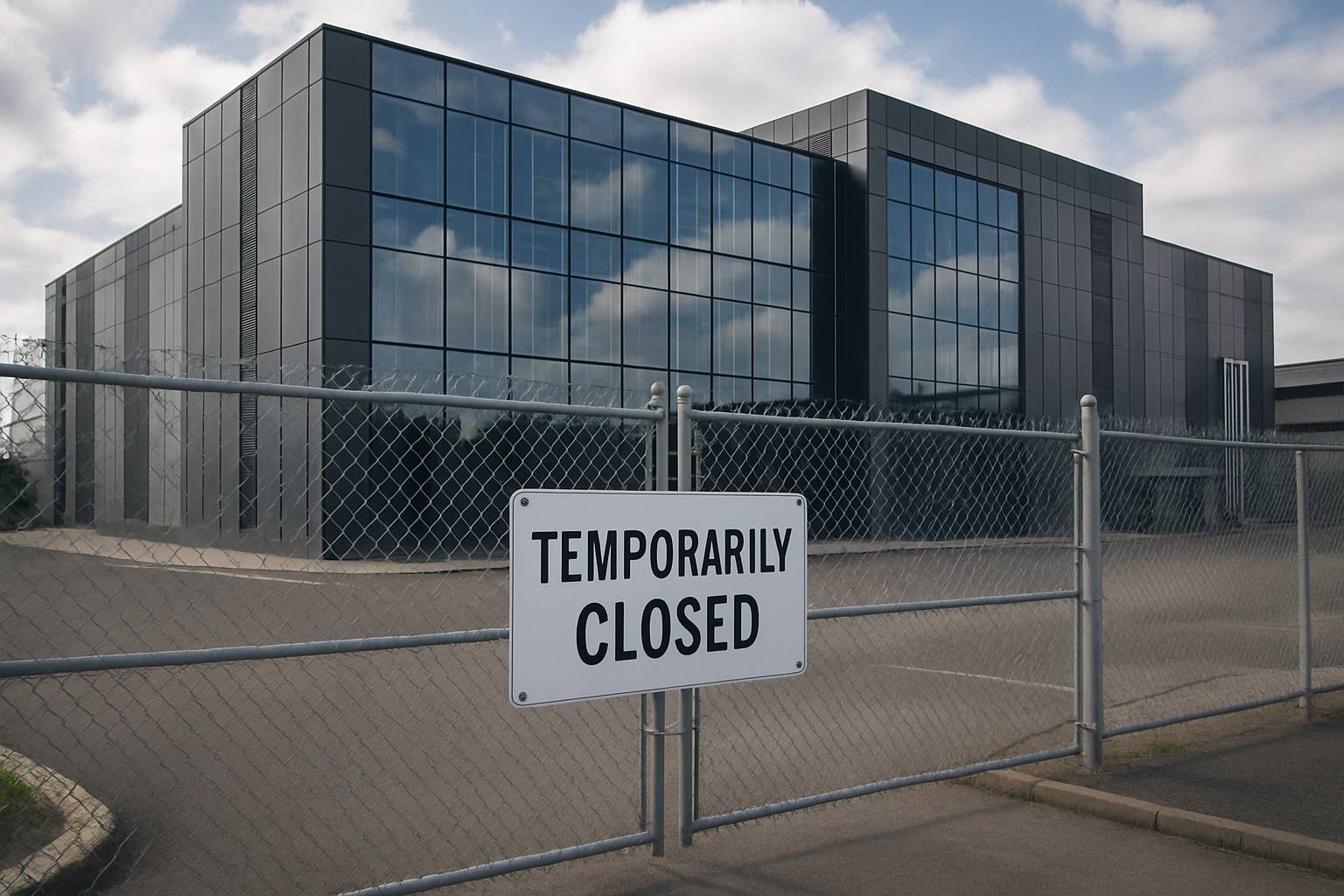
The moratorium bill halts permits for new AI data centers until national safeguards exist.
Sanders justifies the pause as democratic breathing room for workers, communities, and the climate.
However, critics warn the freeze risks ceding leadership to China and others.
International AI Regulation, he argues, cannot succeed while unchecked compute races ahead.
These early clashes reveal deep ideological fault lines. Meanwhile, energy consequences now command fresh attention.
Energy Demands Under Scrutiny
Data Center Watch reports projects consuming power for up to 750,000 homes were recently delayed.
Moreover, one typical AI facility can match the electricity use of 100,000 households.
In contrast, utilities fear unpredictable surges could destabilize regional grids already near capacity.
- PJM analysts project 14% load growth from AI by 2028.
- IEA notes data centers consumed 460 TWh globally in 2025.
- Local campaigns blocked $152B in projects since 2024.
Supporters claim that International AI Regulation will eventually harmonize efficiency standards and reduce duplicative infrastructure.
Energy math underscores massive hidden costs. Consequently, questions of competitiveness now enter center stage.
Competitive Stakes For U.S.
Many lawmakers label the moratorium economic self-sabotage.
Senator Mark Warner called the proposal "idiocy" during a recent Policy hearing.
Furthermore, the Data Center Coalition argues the freeze will limit cloud access and slow startups.
Industry lobbyists insist that International AI Regulation should emerge only after domestic scale advantages are secure.
Nevertheless, advocates counter that Global Safety must outweigh first-mover profits.
Competitive fears dominate Capitol conversations. However, treaty talk now widens the frame.
International AI Regulation Push
April’s Capitol Hill forum gathered U.S. and Chinese scientists for an unprecedented public dialogue on algorithmic risk.
Sanders likened the moment to early nuclear arms talks, urging shared verification regimes.
Moreover, he sketched a blueprint resembling the Council of Europe’s 2024 framework convention.
Consequently, Global Safety principles may anchor any future multilateral pact.
Scientists appear eager for structured oversight. Subsequently, public sentiment also shifts toward restraint.
Public Opinion Shifts Rapidly
Pew and Quinnipiac numbers reveal an electorate increasingly wary of runaway systems.
Moreover, 64% expect job losses, while 55% fear daily harm.
Analysts watch these polls closely, noting bipartisan anxiety.
Advocates believe transparent International AI Regulation could reassure skeptical voters.
In contrast, libertarian voices argue strong rules imperil innovation without guaranteeing Global Safety.
Opinion data shapes lawmaker incentives. Therefore, implementation details now face heightened scrutiny.
Implementation Hurdles And Timelines
Passing the moratorium requires committee approval in both chambers, an uphill climb.
Moreover, existing federal Policy emphasizes minimal burden to support competitiveness.
The bill grants EPA and Commerce joint authority to issue compliance waivers.
Professionals can enhance their expertise with the AI Policy Maker™ certification, gaining insight into complex approval pathways.
Without clear International AI Regulation, waiver criteria could become battlegrounds for lobbyists.
Nevertheless, proponents promise that Global Safety benchmarks will guide waiver decisions.
Process obstacles may delay action. Meanwhile, strategic considerations for executives merit review next.
Strategic Takeaways For Leaders
Boardrooms must map scenarios covering stalled permits, rising electricity prices, and geopolitical realignment.
- Audit compute expansions against probable permitting delays.
- Engage policymakers to influence emerging standards.
- Invest in efficiency to pre-empt carbon caps.
Furthermore, aligning corporate governance with forthcoming International AI Regulation will protect cross-border supply chains.
Policy watchers urge firms to budget advocacy resources early.
These actions strengthen resilience before laws crystallize.
Strategic preparation mitigates compliance shocks. Consequently, attention now shifts to the global negotiating table.
Bernie Sanders’ moratorium proposal has ignited simultaneous battles over economics, environment, and long-term risk.
Energy math, public anxiety, and competitive fears ensure the conversation will not fade.
Moreover, treaty discussions demonstrate that domestic politics already influences foreign diplomacy.
Stakeholders therefore monitor emerging International AI Regulation as closely as quarterly earnings.
Consequently, organizations that prioritize Global Safety can build trust with regulators and consumers alike.
Executives seeking deeper insight should pursue the AI Policy Maker™ credential and stay ahead of unfolding standards.
Stakes are rising; informed action today will shape tomorrow’s intelligent infrastructure.
Disclaimer: Some content may be AI-generated or assisted and is provided ‘as is’ for informational purposes only, without warranties of accuracy or completeness, and does not imply endorsement or affiliation.


