

AI CERTS
4 hours ago
Project Tango Tests Florida Infrastructure Resilience
Project Tango Site Overview
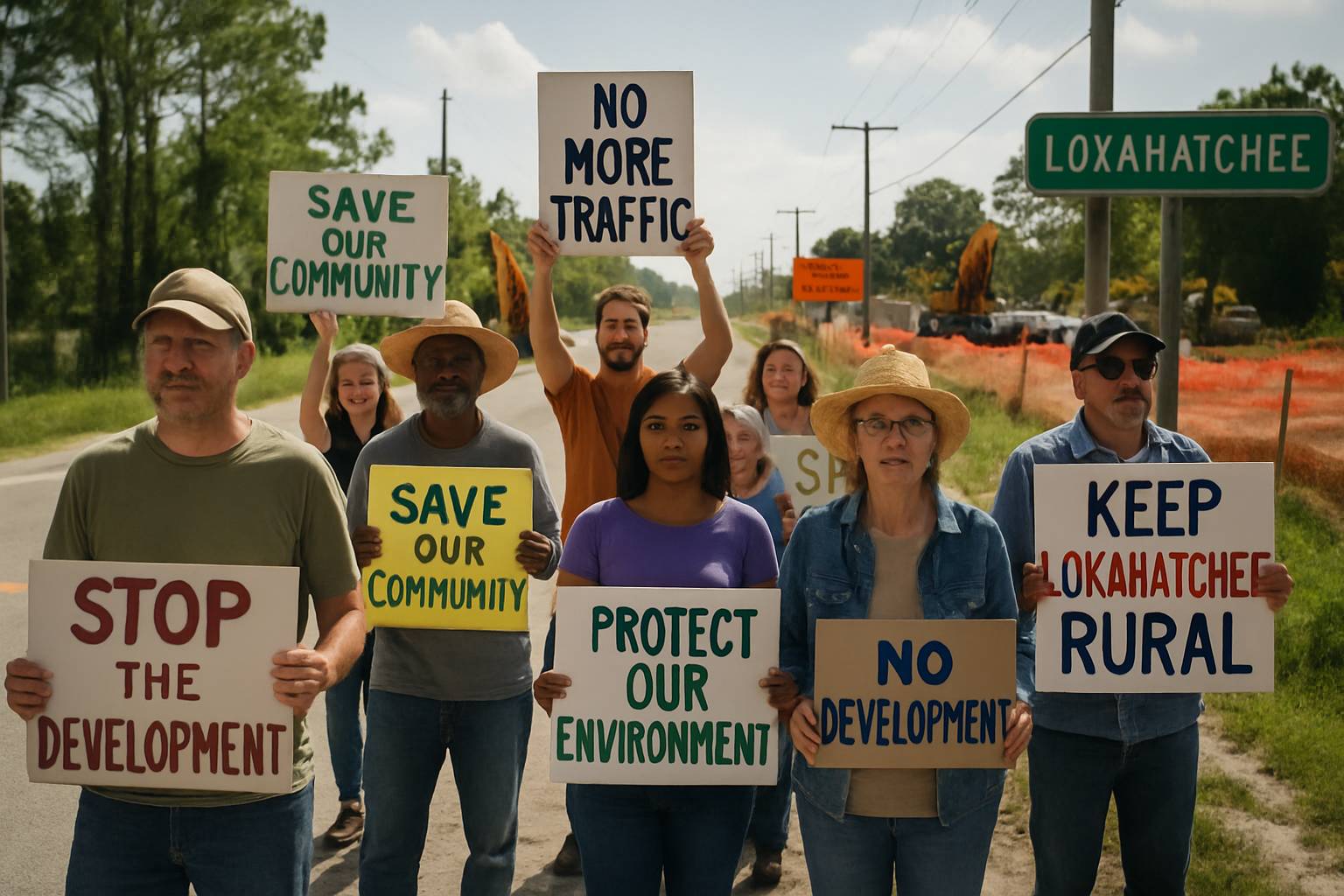
PBA Holdings wants up to 3.69 million square feet on 202.7 acres. Moreover, filings show the applicant trimming data-center space from 1.8 million to roughly 1 million square feet while adding warehouses. Adjacent Florida Power & Light infrastructure eases interconnection, yet neighbors worry about increased substation activity. Loxahatchee homeowners also fear property-value swings as servers replace pastureland.
- Parcel: 202.7 acres, Central Park Commerce Center
- Requested floor area: 3.69 million ft² maximum
- Initial county hearings: December 2025, postponed twice
These metrics clarify the physical scale. Nevertheless, they reveal little about daily operations, leaving Florida Infrastructure planners hungry for harder electrical numbers. Consequently, experts urge deeper load studies before final votes.
Economic Upside And Risks
Developers pitch thousands of construction jobs and hundreds of long-term roles. Furthermore, Palm Beach County forecasts millions in annual tax revenue. Projected Job Creation Estimates appear in marketing decks, yet precise wage bands remain undisclosed. In contrast, Wellington business leaders welcome any diversification beyond tourism and equine sports. They argue regional resilience improves when tech anchors settle close to airports and fiber routes.
However, opponents counter that automation will cap staffing. Community protest groups cite similar campuses employing fewer than 100 technicians once operational. They add that public incentives could outweigh returns if resource costs escalate. These financial unknowns temper the economic narrative. Consequently, commissioners demand an updated cost-benefit model before July 2026 deliberations.
Data Center Water Debate
Cooling technology drives the fiercest exchanges. Developers pledge closed-loop systems using about 5,000 gallons per day. Conflicting Water Usage Numbers in county memos soar to 1.7 million gallons monthly when evaporative assumptions apply. Moreover, activists warn the surging Wellington population already strains aquifers. Jessica Namath of Floridians for Public Land says large withdrawals could “stress the public trust.”
The applicant offers reclaimed water negotiations as mitigation. Nevertheless, utility engineers have not published firm allocation charts. These gaps fuel each community protest rally. Consequently, decision makers request a peer-reviewed hydro study comparing both demand scenarios.
Regional Power Grid Considerations
Electric demand remains confidential, although hyperscale peers often draw 100 megawatts or more. Additionally, FPL promises the project will fund transmission upgrades under a large-load tariff. In contrast, Loxahatchee residents fear bill shocks if assumptions fail. Legislators therefore inserted cost-containment clauses into pending bills.
Noise from substations complicates matters. Developer acoustic models predict 50 dB at property lines. However, critics cite turbine-like hums from comparable campuses. These unresolved variables press Florida Infrastructure planners to coordinate with grid operators early. Consequently, county staff now require detailed interconnection studies before the postponed hearing.
Noise And Health Concerns
Saddle View Elementary lies less than 1,000 feet from the revised site plan. Moreover, parents worry about round-the-clock low-frequency vibrations affecting concentration and sleep. Developers propose berms, louvers, and setback increases. Nevertheless, community protest organizers say design tweaks cannot silence emergency generators during monthly tests.
Independent acousticians suggest continuous monitoring agreements tied to zoning compliance. These suggestions provide a measurable path forward. However, enforcement details remain absent from current drafts. Consequently, health impact assessments will likely headline the July agenda.
Legislation And Transparency Fight
Senate Bill 484 marks Florida’s first attempt to regulate large data centers. Consequently, it requires disclosure of water, power, and tenant identities after permitting. Industry groups fear chilling effects on investment. Meanwhile, activists rally because codenames obscure accountability.
Professionals can enhance their policy insight through the AI Policy Maker™ certification. Such training helps executives navigate overlapping federal and state rules. Ultimately, lawmakers frame the debate as a balance between innovation and stewardship. Therefore, the bill’s progress will shape Florida Infrastructure governance statewide.
Next Steps For Approval
The applicant requested another postponement, moving the zoning vote to July 15, 2026. Furthermore, county staff must release updated water and power exhibits by June. Loxahatchee and Wellington stakeholders plan joint workshops to dissect those numbers. Meanwhile, Carlton Fields will likely refine conditions to secure board support.
These deadlines establish a rigid calendar. Nevertheless, surprise data disclosures could still derail momentum. Consequently, observers expect a tense summer session determining Florida Infrastructure precedents.
Florida Infrastructure now stands at a crossroads. Project Tango highlights Loxahatchee growth pressures, Wellington economic hopes, and persistent community protest. Moreover, water, power, and health impacts still lack final clarity. Consequently, July’s hearing will test the state’s new regulatory muscles and local patience.
Industry leaders should monitor the legislative vote, scrutinize forthcoming technical studies, and pursue relevant certifications. Therefore, seize this moment to deepen expertise and guide responsible digital growth.


