

AI CERTS
1 week ago
Block AI Automation drives Managerbot rollout for sellers
Announced on 7 April 2026 and opened to wider beta weeks later, Managerbot signals a strategic pivot. The launch arrives only months after a sweeping workforce reduction that cut headcount by forty percent. Industry analysts link the product to CEO Jack Dorsey’s push toward an AI-native enterprise. Consequently, professionals are assessing both the technology merits and the human implications. The following analysis unpacks capabilities, risks, and market impact.
Managerbot Agentic Rollout Overview
Square moved Managerbot from closed pilots to open beta on 28 April 2026. Consequently, most non-franchise U.S. sellers in food, retail, and beauty now access the tool without fees. Press materials describe an always-on agent that monitors inventory, staffing, and marketing signals continuously. However, every proposed change still requires explicit human approval before execution. This staged release lets Block validate safety assumptions while showcasing Block AI Automation within live commerce environments.
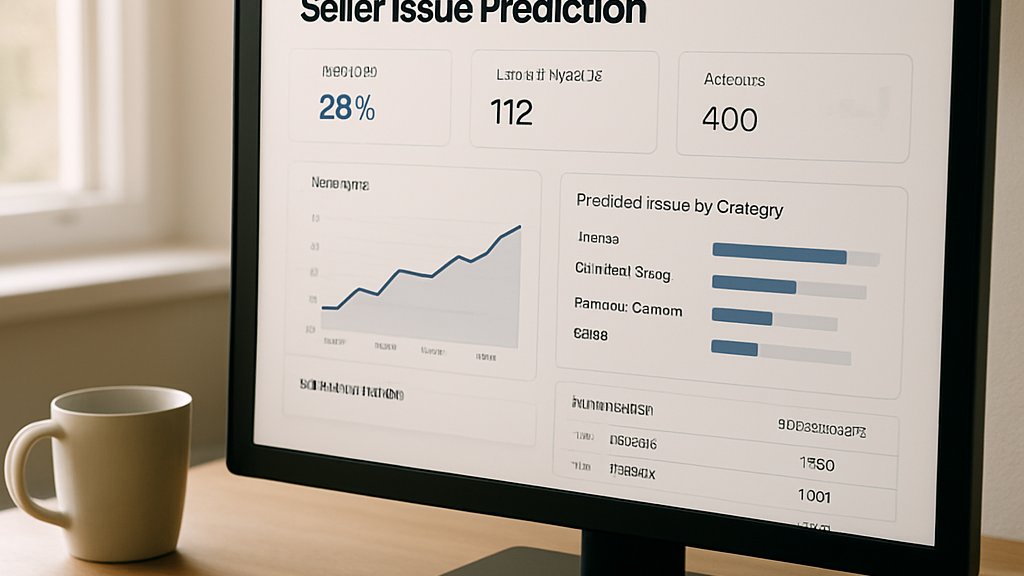
Early adopters report fewer stockouts and quicker schedule fixes during the three-month pilot phase. Donnie McClanahan, a multi-location café owner, praised alerts that surfaced hours before shortages appeared. These observations underscore Managerbot’s potential, yet wider data remains unpublished. Therefore, quantifiable performance metrics will be essential as adoption scales. Managerbot’s rollout demonstrates measured ambition paired with seller safeguards. Next, we examine the feature set powering those promises.
Core Feature Scope Details
Managerbot tackles three operational pillars identified by Square product leads. Firstly, it forecasts inventory by correlating sales velocity, upcoming events, and even weather signals. Secondly, it drafts optimized shift schedules that respect worker preferences and predicted demand. Thirdly, it designs targeted campaigns aimed at dormant customer segments. All insights arrive inside the familiar Square Dashboard pane.
- Inventory alerts trigger when stock days-of-coverage drop below dynamic thresholds.
- Schedule proposals surface at least 72 hours before payroll lock.
- Marketing drafts include copy, imagery, and estimated lift percentages.
Every recommendation appears with a visual diff before sellers accept or reject execution. Block insists that this human-in-the-loop gate fosters trust, especially after its $80 million compliance penalty. Moreover, the flow embodies Block AI Automation principles without ceding final control. These granular capabilities form Managerbot’s backbone. However, technical guardrails determine whether they perform safely, as the next section explains.
Technology Stack Guardrails Explained
Behind the interface, Managerbot orchestrates multiple large language models from Anthropic and OpenAI. Consequently, Block built an agent harness called goose to regulate context, tool calls, and error handling. Goose follows the Linux Foundation’s Model Context Protocol, promoting interoperability across agent ecosystems. In contrast, many rival agents rely on single-vendor APIs without open standards. Security researchers applaud the protocol, yet warn that prompt injection attacks still threaten autonomous workflows.
Block layers additional filters that strip personally identifiable data before model requests leave the platform. Meanwhile, audit logs capture every parameter supplied to protect legal auditability. Nevertheless, no independent SOC report for Managerbot has surfaced yet. Therefore, external validation remains a pending milestone for full enterprise confidence. Stakeholders will watch whether Block AI Automation achieves that transparency mandate. Current guardrails inspire cautious optimism. Business context will shape interpretations of those efforts.
Business Context Shifts Background
Managerbot did not appear in a vacuum. The February 2026 workforce reduction slashed Block’s global headcount from over 10,000 to under 6,000. Jack Dorsey framed the cuts as necessary to create an AI-native organisation. In company filings, leadership positioned savings as fuel for accelerated product experimentation. Consequently, the rollout offers a live demonstration of those redirected resources.
Square earnings also show momentum, with Q4 2025 gross profit rising twenty-four percent year over year. Analysts argue that Block AI Automation, embodied by Managerbot, must eventually monetize to justify investor expectations. However, current beta access remains free, and pricing clarity is pending. That uncertainty invites comparison with past Cash App compliance fines and the need for sustainable margins. These financial dynamics contextualise technological optimism. Next, let us consider tangible benefits for front-line sellers.
Benefits For Sellers Today
Pilot feedback highlights significant time savings. Operators claim Managerbot shaved several hours weekly from manual catalog reviews. Moreover, proactive alerts prevented costly stockouts during holiday surges. Marketing drafts reportedly lifted dormant customer engagement, although Block has not published percentages. Importantly, the agent’s proposals appear in plain language, enabling quick human vetting.
- Average schedule creation time dropped from one hour to ten minutes.
- Inventory shrink fell by 8% during winter pilot windows.
- Email open rates improved by 12% in targeted campaigns.
Consequently, sellers can reallocate focus toward customer service and product innovation. Professionals can enhance expertise with the AI Learning Development™ certification. Such training aligns with Block AI Automation goals by fostering informed human oversight. Seller testimonials signal clear value today. Yet risks demand equal attention, as discussed next.
Risks And Concerns Noted
Large models sometimes hallucinate, producing misleading recommendations. In a payments context, such errors could trigger regulatory scrutiny or financial losses. Furthermore, agent tool calls expand the attack surface for prompt injection and credential theft. Security researchers documented real exploits against other agents in 2025 and 2026. Therefore, Block employs approval gates, but vulnerabilities could still slip through.
Data privacy also remains contentious. Sellers must centralize sensitive operational data inside Square systems to unlock full performance. That concentration raises questions about vendor lock-in and competitive neutrality. Moreover, the prior AML penalty shows regulators already watch Block closely. Consequently, Block AI Automation needs continuous audits to maintain trust.
These concerns illustrate unresolved technical and policy gaps. Market forecasts still predict strong growth, which we examine next.
Market Outlook Ahead 2030
Industry trackers estimate the agentic AI market could reach $52 billion by 2030. Meanwhile, adoption still sits in single digits among surveyed organizations. Analysts view Block AI Automation as an early mainstream proof point. If Managerbot succeeds, competitors will likely accelerate similar deployments across commerce suites. In contrast, serious security incidents could slow momentum and invite heavier regulation.
Jack Dorsey has hinted at exporting the model framework into Crypto and Cash App operations. Such expansion would deepen dependence on Block AI Automation across company verticals. Ultimately, pricing strategy and empirical ROI will determine long-term traction. Market signals reveal both opportunity and risk. The final section recaps strategic implications.
Managerbot illustrates how proactive agents can reshape daily commerce tasks. The rollout ties advanced models, open standards, and strict approval loops into one accessible package. Time savings, inventory accuracy, and marketing uplift already appear tangible for early sellers. However, data privacy, security hardening, and independent audits remain pressing checkpoints. Jack Dorsey’s strategic push and the prior workforce reduction magnify scrutiny on those safeguards.
Therefore, sustained success depends on transparent metrics and rigorous third-party validation. Professionals should monitor how Block AI Automation evolves in parallel with emerging regulations. For leaders seeking personal upskilling, the earlier linked certification offers a timely avenue. Stay informed, train early, and position your organisation for agent-driven efficiency.
Disclaimer: Some content may be AI-generated or assisted and is provided ‘as is’ for informational purposes only, without warranties of accuracy or completeness, and does not imply endorsement or affiliation.


