

AI CERTs
4 months ago
AI Hiring Tools Face Discrimination Claims, EEOC Pressure
A wave of lawsuits is reshaping how employers deploy algorithmic hiring tools. However, attorneys warn that Discrimination Claims now loom over every automated scoring system. From California to Colorado, plaintiffs allege age, race, and disability bias inside opaque algorithms. Consequently, HR leaders face regulatory, reputational, and financial risks once viewed as hypothetical. This article unpacks the key cases, enforcement trends, and practical responses shaping 2026 policy. Readers will learn why Diversity goals, EEOC guidance, and careful Recruitment Software selection now intersect. Moreover, we spotlight certifications that help design responsible AI workflows for modern talent teams. Therefore, decision makers can translate legal lessons into concrete action plans for current platforms. Meanwhile, investors watch these disputes to gauge which vendors will thrive under tighter oversight. Nevertheless, courts have only begun to clarify how legacy statutes apply to machine learning gatekeepers. Subsequently, every pending motion or settlement could reset compliance playbooks across global enterprises.
AI Hiring Litigation Landscape
Statistical reports show AI adoption in hiring soared between 2024 and 2026. LinkedIn’s 2025 survey found over 60 percent of talent leaders experimenting with automated screening. Consequently, legal scrutiny intensified in parallel.
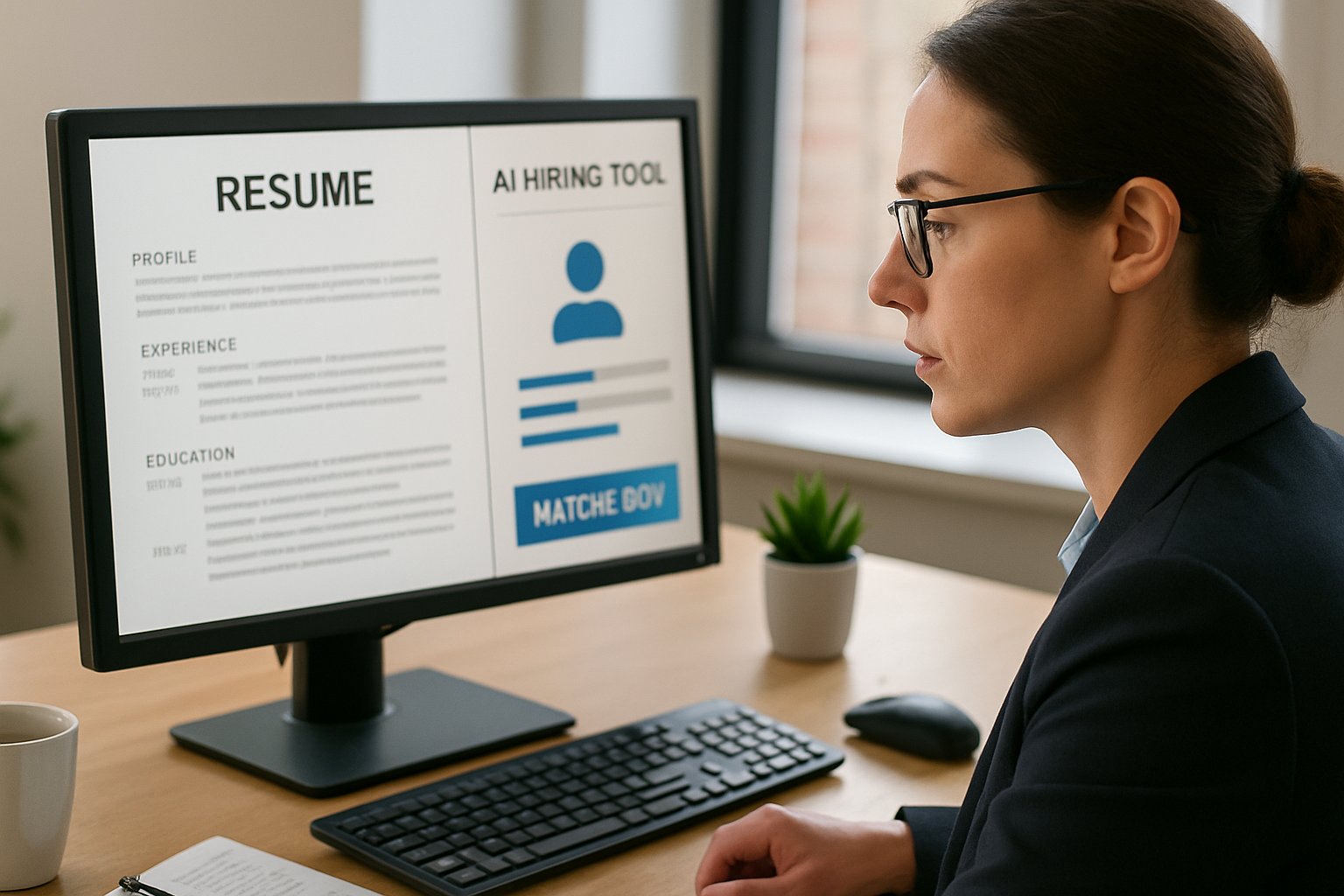
Early guidance from the EEOC warned employers that delegating selection decisions never shifts liability. Nevertheless, many boards underestimated how quickly plaintiffs would coordinate national strategies. Discrimination Claims soon targeted both vendors and corporate users in overlapping suits.
Moreover, multiple theories emerged beyond classic disparate impact. FTC lawyers pursued deceptive marketing allegations, while state attorneys general invoked biometric statutes. Therefore, the litigation landscape now spans civil-rights, consumer, and privacy arenas.
The lawsuits multiplied as adoption climbed. However, fresh cases keep broadening the battlefield.
The most influential filings deserve closer inspection next.
Key Cases Under Scrutiny
Mobley v. Workday became the first national collective action targeting an AI vendor directly. Furthermore, the court granted preliminary certification in May 2025, signaling serious momentum. Plaintiff Derek Mobley alleges age and disability bias reflected in automated Match Scores. Discrimination Claims here challenge whether Workday acts as an employment agency under federal law.
Another headline matter involves Eightfold, sued in January 2026 for alleged FCRA violations. In contrast, plaintiffs argue hidden profiles function as consumer reports that require notice and dispute rights. Consequently, courts must decide whether candidate scoring qualifies as regulated data. Discrimination Claims mingle with privacy theories in this complaint, expanding possible damages.
HireVue also faces multiple challenges despite one biometric suit being dismissed in 2026. Meanwhile, an ACLU administrative filing accuses the platform of disadvantaging a deaf applicant. That action relies on ADA protections and highlights accessibility gaps in video analysis.
- Workday: age and disability disparate impact allegations.
- HireVue: ADA and accessibility issues for deaf candidates.
- Eightfold: hidden profiles triggering FCRA compliance duties.
- Aon: FTC complaint over “bias-free” marketing promises.
These marquee cases reveal novel legal combinations. Moreover, each lawsuit pressures different technology segments within Recruitment Software ecosystems.
To understand the stakes, regulators’ evolving stances require attention.
Regulators Intensify Oversight
The EEOC listed algorithmic hiring among its 2025 enforcement priorities. Furthermore, the agency issued technical guidance stressing vendor selection does not shield employers. In parallel, the FTC used Section 5 to penalize deceptive AI marketing, citing risk exaggerations. Consequently, Discrimination Claims often appear alongside consumer protection counts in recent complaints.
State lawmakers also stepped in. Colorado’s AI Act labels employment tools high risk and mandates impact assessments. Meanwhile, New York City requires bias audits and applicant notices before deployment. Illinois BIPA continues to threaten hefty statutory damages for unconsented biometric capture.
Furthermore, overseas regulators watch these developments while finalizing the EU AI Act. Global enterprises therefore must harmonize compliance across jurisdictions with diverging disclosure standards.
Enforcers now coordinate across civil-rights and consumer mandates. Consequently, the regulatory web raises new defense complexities.
Vendors are responding with technical and governance adjustments.
Emerging Vendor Risk Mitigations
Workday, Eightfold, and HireVue promote independent audits and explainability dashboards in marketing materials. Moreover, some platforms now provide applicant dispute portals to pre-empt FCRA allegations. Discrimination Claims still reference these tools, arguing disclosures arrive only after adverse decisions.
Industry advisers recommend multi-step validation models aligned with Uniform Guidelines on Employee Selection Procedures. In contrast, plaintiffs contend historic data inevitably embeds bias despite statistical adjustments. Consequently, boards allocate larger budgets for external fairness assessments and documentation.
Professionals can enhance expertise with the AI Design Specialist™ certification. Such credentials teach interface choices that improve accessibility and promote measurable Diversity outcomes. Therefore, technical staff learn to anticipate regulatory audit questions early in product planning.
Vendors embrace audits, yet plaintiffs remain skeptical. Nevertheless, structured documentation reduces litigation surprises.
Understanding the core legal theories clarifies why tension persists.
Disparate Impact Legal Basics
Most Discrimination Claims rely on disparate impact, not intentional bad faith. Under Title VII, plaintiffs must show a neutral practice disproportionately harms a protected group. Additionally, employers then must prove the challenged metric is job related and consistent with business necessity. Courts examine validation studies, selection ratios, and alternative procedures with lower adverse impact.
Consequently, poor documentation almost guarantees early settlement pressure. Discrimination Claims therefore encourage robust record retention from model design through deployment.
Disparate impact hinges on numbers. Therefore, statistical discipline remains a primary defense lever.
Another theory is quickly gaining ground around data visibility.
FCRA Theory Expanding Scope
Plaintiffs in the Eightfold suit say hidden Match Scores act like consumer reports. Moreover, they argue adverse action notices are required before employers rely on these rankings. Consequently, Discrimination Claims intertwine with procedural rights such as accuracy disputes and reinvestigations.
Credit reporting precedents offer guidance, yet courts have not ruled on algorithmic hiring specifically. Nevertheless, many counsel advise adopting FCRA-style notices to limit exposure. Consequently, technical architects must build explainability layers to disclose feature contributions on demand.
FCRA arguments widen the battlefield. In contrast, clarity around definitions may still emerge after motion practice.
Employers can still act proactively while courts deliberate.
Practical Steps For Employers
First, map every automated decision point within the Recruitment Software stack. Additionally, verify each feature’s job relevance through updated validation studies and legal review. Next, demand vendor documentation covering training data, performance metrics, and ongoing bias tests.
Moreover, implement candidate notices explaining algorithmic assessments and providing a human alternative pathway. Maintain logs that capture override decisions and rationale for future audits. Consequently, Discrimination Claims are easier to rebut with contemporaneous evidence of good-faith oversight.
Finally, train recruiters on fairness principles and emerging statutory duties. Professionals holding the AI Design Specialist™ certification often lead these internal sessions effectively. Therefore, culture and process reinforce technical safeguards, reducing cumulative exposure.
Structured governance converts abstract risk into manageable workflow tasks. Subsequently, organizations stay ahead of litigation curves.
The final takeaway unites legal, technical, and moral themes.
AI hiring lawsuits have entered a pivotal phase where precedents will crystallize rapidly. Moreover, multi-theory complaints blend civil-rights, consumer, and privacy statutes in unpredictable ways. Regulators across levels now coordinate, increasing pressure on vendors and employers simultaneously. Nevertheless, strategic validation, transparent communication, and accessible design reduce exposure meaningfully. Therefore, leadership teams should invest in education, audits, and certifications that strengthen product governance. Professionals ready to lead ethical transformation can start with the AI Design Specialist™ coursework today. Take action now and future litigation headlines may feature your organization as a compliance exemplar. Subsequently, competitive advantage will follow companies that embed trustworthy AI principles before mandates arrive. Meanwhile, the EEOC continues updating guidance to align fairness metrics with evolving Diversity benchmarks.
Disclaimer: Some content may be AI-generated or assisted and is provided ‘as is’ for informational purposes only, without warranties of accuracy or completeness, and does not imply endorsement or affiliation.


