

AI CERTS
1 hour ago
Zine Makers Champion Human Art Against Algorithms
In contrast, venture investors tout generative design as the inevitable future of visual culture. Nevertheless, small print circles have survived previous waves of disruption, from desktop publishing to social media. Therefore, the coming year will test whether intimacy can outpace innovation. Moreover, we examine legal uncertainties, market data, and possible compromises that keep Human Art central. Interviews from The Guardian, Mozilla, and legal experts ground each insight. By the end, readers gain concrete steps to safeguard creativity in the algorithmic era.
Zines Defy Algorithmic Tide
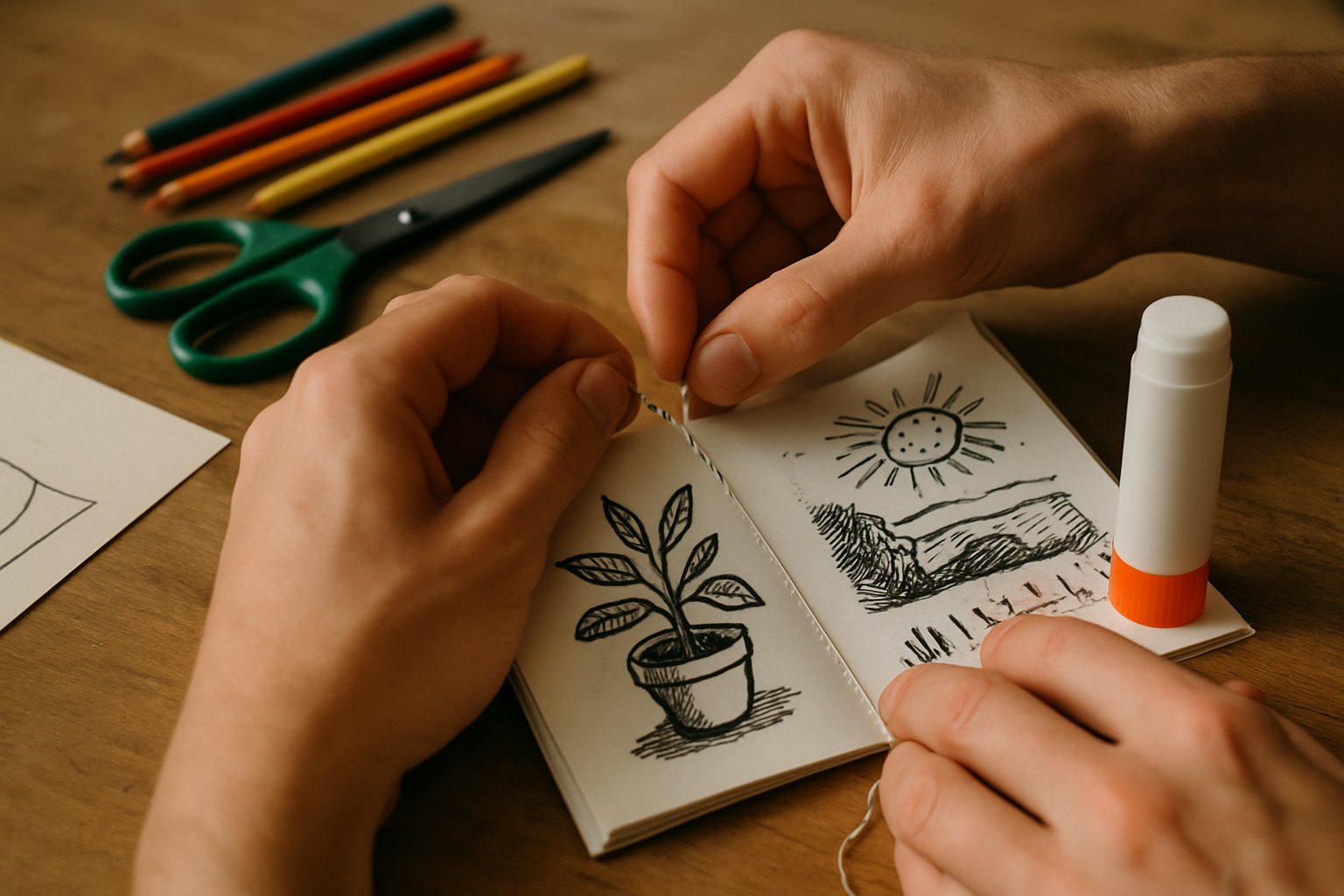
Guardian reporting highlights four creators who print protest issues with scissor-cut collages and fluorescent ink. Rachel Goldfinger’s booklet, I Should Be Allowed To Think, frames AI as cognitive smog. Meanwhile, Maddie Marshall spent a year assembling 92 pages of handwritten captions and stitched covers. Both editions declare a fierce incompatibility with automated image engines. Consequently, fair attendees coined the phrase "handmade zines, not download files".
This rallying cry signals broader artistic resistance across global DIY circles. In contrast, some designers embrace AI art for quick mock-ups, creating a visible schism on the same tables. Nevertheless, distributors like MagCulture report growing consumer curiosity for stickers reading "Certified Human Art Only". These snapshots show a culture refusing silent absorption into algorithmic culture. Therefore, zine fairs become frontline laboratories for manual integrity.
Creators publicly brand their booklets as algorithm-free zones. The history behind that stance deepens next.
Roots Of Creator Push
Zines emerged from punk, riot grrrl, and xerox activism during the 1970s and 1980s. Back then, limited budgets demanded self-published pamphlets assembled after midnight print runs. Moreover, the form prized imperfection, tape shadows, and unfiltered voice. Today’s anti-AI editors view algorithms as erasing that tactile lineage. Consequently, they link generative systems to industrial dispossession rather than playful experimentation. They frame such erasure as fundamental incompatibility with zine ethos.
Scholars also trace artistic resistance to earlier fights against desktop publishing homogenization. In contrast, AI tools learn from online archives that already swallowed many zines without permission. Therefore, protesters consider data scraping an extension of historical exploitation. Open letters like the 2025 Christie’s petition, signed by more than 3,000 artists, crystallize that anger. Subsequently, hashtags such as #HeartbeatNotDataset spread across handmade zines Tumblr feeds.
Historical memory fuels present skepticism toward algorithmic shortcuts. Safeguarding Human Art remains their guiding star. Legal frameworks now intensify that debate.
Legal Stakes For DIY
U.S. copyright rules require human authorship for protection. Counsel for Creators explains that purely machine outputs fail registration tests. This uncertainty intensifies artistic resistance among zinesters. However, meaningful selection, arrangement, or editing by a person can restore eligibility. Therefore, zine editors mixing AI art with collage must document their choices carefully. Meanwhile, courts still wrestle with whether model training is fair use or infringement.
Uncertainty encourages some fairs to ban algorithmic content to avoid future takedown battles. In contrast, Mozilla’s Imagine Intel zine offers process guides rather than prohibitions. Moreover, the publication’s eight rules advise clear labeling and consent-based datasets. Professionals can deepen their policy fluency with the AI Prompt Engineer™ certification. That resource supplements guidelines for protecting Human Art during prompt iteration.
Legal ambiguity sustains caution and fuels labeling experiments. Economic pressures expose further tensions ahead.
Creators Split On Tools
Not every zinester rejects automation outright. Designer Jesse Pimenta praised Figma’s AI for reorganizing spreads without mental burnout. Some readers still buy AI art zines for curiosity. Similarly, Cheyce Batchelor generated placeholder poems, then rewrote them by hand. Nevertheless, both creators still marketed finished issues as Human Art, stressing their editorial fingerprints. Consequently, hybrid workflows appear, yet purist and experimental booths coexist uneasily.
Survey data remain scarce, yet anecdotal estimates suggest a fifty-fifty split at London fairs. Some editors run AI scanners before accepting submissions, echoing plagiarism checks in academia. Meanwhile, tech-savvy collectives teach prompt literacy workshops, arguing knowledge empowers rather than corrupts. Therefore, the community experiments with boundaries instead of enforcing monolithic doctrine. Such plurality keeps handmade zines vibrant despite algorithmic debates.
Many self-published sellers rely on fair income. Debates hinge on perceived incompatibility between speed and soul. Workshop attendees debate prompt royalties, wondering if such micro-payments could offset ethical concerns. However, no platform has yet implemented granular payout tooling for zinesters.
Opposition is principled, yet pragmatism sneaks in through time-saving plugins. Numbers clarify the financial stakes next.
Market Impact Numbers Rise
The Mozilla print run hit 500 copies and sold out within two weeks. Consequently, aftermarket prices climbed forty percent on Etsy. Similarly, Goldfinger’s protest edition moved 300 units in three months, according to shop data. Meanwhile, MagCulture confirmed a 15% rise in sales for titles labeled "No AI". Publishers surveyed by Reuters Institute expect AI to squeeze margins, yet none track zine displacement formally. Collectors increasingly treat protest copies as archival evidence of the algorithm fight. MagCulture expects the trend to continue through the holiday season.
- More than 3,000 artists signed the 2025 anti-auction letter.
- 91 creatives joined Mozilla assemblies to draft the eight rules.
- 75% of 280 news executives forecast major AI disruption.
These data points illustrate commercial upside for visible artistic resistance. Consequently, investors may soon eye niche presses once dismissed as hobby projects.
Numbers validate emotional arguments for Human Art with measurable demand shifts. Future safeguards will shape whether growth endures.
Future Guardrails Emerging Now
Creators propose multiple guardrails to protect Human Art without banning innovation. First, labels like Fairly Trained badges can signal ethical datasets on covers. Secondly, transparent provenance logs help readers verify manual effort. Moreover, collective bargaining could push platforms to respect opt-out lists for self-published content. Professionals bolstering negotiation skills might pursue the previously linked certification to deepen technical vocabulary. Industry watchdogs will monitor implementation and publish compliance dashboards annually.
In contrast, some fair organizers favor simple blanket bans, citing enforcement simplicity. Nevertheless, blanket models risk freezing creative evolution and excluding disabled makers who rely on assistive prompts. Therefore, hybrid policies combining disclosure, licensing, and community review appear most viable. Subsequently, international zine festivals plan panels on standardizing such practices by 2027. Festival planners will allow AI art displays under clear labels.
Guardrails aim to preserve intimacy while embracing selective assistance. The closing section recaps practical actions for every reader.
Zine makers show that Human Art thrives when communities articulate clear boundaries. Their mix of protest, policy work, and market savvy demonstrates resilience against algorithmic monoculture. However, lasting impact demands continued vigilance across legal, technical, and cultural fronts. Moreover, creators should document workflows, label datasets, and join collective bargaining efforts.
Readers eager to champion handmade zines can share anti-scraping policies or purchase certified editions. Additionally, strengthening technical fluency through the linked certification equips advocates with negotiation leverage. Consequently, every stakeholder can help keep Human Art at the core of creative futures.
Disclaimer: Some content may be AI-generated or assisted and is provided ‘as is’ for informational purposes only, without warranties of accuracy or completeness, and does not imply endorsement or affiliation.


