

AI CERTS
1 hour ago
AI Content Creators Blur Reality, Challenge Detection
Why Detection Remains Elusive
Microsoft researchers recently reviewed every known detector. They concluded no single approach works reliably across all synthetic media. Furthermore, human accuracy hovers near 51 percent when distinguishing real from fake faces. In contrast, short training boosts scores only modestly. Therefore, AI Content Creators exploit a widening perception gap, and simple visual cues evaporate.
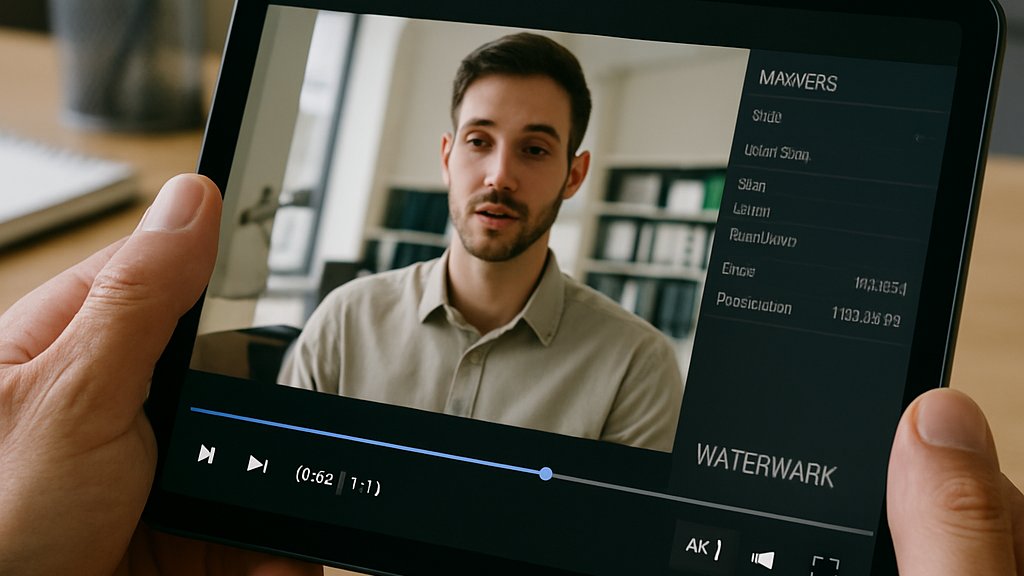
Google’s SynthID watermark now tags more than 100 billion assets. Nevertheless, adversarial edits can still hide signals or create false ones. OpenAI echoes that warning, noting that watermarking, fingerprinting, and classifiers each break under stress. Consequently, layered provenance becomes the emerging strategy. These findings underscore persistent deception risks and explain growing calls for standardisation.
These limitations create urgent challenges. However, multi-layer approaches offer promising resilience, which leads to the next section.
Layered Provenance Takes Hold
OpenAI, Google DeepMind, and NVIDIA now align on C2PA-signed metadata plus invisible watermarks. Additionally, Google integrated SynthID checks into Search and Chrome to surface content authenticity signals. OpenAI went further, launching a public verification preview for its image generator. Therefore, users can probe provenance without leaving the browser.
Industry leaders frame provenance as a supply-chain problem. Metadata documents origin, editing steps, and signing authority. Meanwhile, watermarks stay intact when platforms strip metadata. Moreover, Microsoft urges secure registries to lock each manifest against tampering. Together, these layers raise confidence even if one layer fails.
Layering clearly strengthens defences. Yet coverage gaps persist, pushing attackers to evolve, as the next section explains.
Watermarks And Rich Metadata
SynthID embeds imperceptible frequency patterns, while C2PA stores JSON manifests. Moreover, upcoming camera firmware will sign captures at the sensor. Consequently, platform trust signals will reach users at upload time. Nevertheless, open-source models rarely ship with such features, widening the marking divide within the creator economy.
This technical fusion improves traceability. However, determined threat actors already test removal attacks in underground forums. Therefore, provenance must remain adaptive.
Coordinated standards drive progress. Yet attacker creativity grows faster, which brings us to evolving tactics.
Attacker Tactics Evolve Fast
Bad actors increasingly mix real and synthetic media, confusing auditors. Additionally, they exploit “liar’s dividend” dynamics by claiming genuine evidence is fake. Consequently, voters and investors hesitate, eroding platform trust. Deepfake fraud losses topped $200 million in early 2025, according to security trackers.
Reversal attacks present another front. Adversaries embed spoof watermarks to discredit journalists. Meanwhile, detector APIs leak model fingerprints, letting hackers craft evasive content. Therefore, defenders must combine watermark scans, manifest checks, and neural forensics.
Tactics will keep mutating. However, businesses can cut exposure through structured risk management, detailed below.
Business Impacts And Risks
Unchecked deception drains revenue and reputation. Furthermore, advertisers hesitate to sponsor questionable clips, weakening the creator economy. Brands now demand verifiable content authenticity before signing deals with AI Content Creators.
The following numbers highlight urgency:
- Google claims SynthID has watermarked 100 billion images and videos.
- 60,000 years of AI audio already carry the same signal.
- Human detection accuracy remains near chance without specialised tools.
- Deepfake fraud losses exceeded $200 million in one recent quarter.
Moreover, platforms face regulatory scrutiny. Europe’s draft AI Act proposes provenance disclosure for synthetic media. Consequently, startups may incur new compliance costs. Professionals can enhance their expertise with the AI Writer™ certification.
These figures confirm mounting stakes. Nevertheless, structured governance helps organisations navigate the threat landscape, as shown next.
Numbers Reveal Growing Threat
Royal Society data shows five minutes of training nudges human accuracy to 60 percent. Nevertheless, that still leaves large error margins. Additionally, Microsoft charts reveal each detection method suffers unique failure modes. Therefore, layered defences remain essential.
Third-party audits of SynthID remain scarce. Moreover, cross-platform watermark survival rates need public benchmarks. Consequently, reporters and security leads should request detection APIs and publish reproducible tests.
Statistics expose vulnerabilities. However, proactive governance can restore confidence, leading us to future safeguards.
Building Future Platform Trust
Google, OpenAI, and others now embed verification badges directly in user interfaces. Moreover, YouTube labels AI video to guide viewers. Consequently, trust moves closer to the point of consumption. Still, standards must reach small creators to avoid a two-tier system within the creator economy.
Experts recommend a practical workflow:
- Check C2PA credentials on ingress.
- Detect invisible watermarks using vendor tools.
- Run neural forensic classifiers for added confidence.
- Document gaps and publish transparency notes.
Furthermore, organisations should rehearse incident response for viral synthetic media. Training sessions improve staff vigilance against sudden deception surges. Therefore, enterprises strengthen platform trust and safeguard stakeholders.
Robust workflows build resilience. Nevertheless, vigilance must persist as AI Content Creators advance.
AI Content Creators now operate at industrial scale, making detection elusive. However, layered provenance, evolving standards, and disciplined governance provide a viable defence. Meanwhile, businesses face real financial and reputational stakes. Consequently, investing in training and certified expertise becomes indispensable. Professionals should master these tools and earn relevant credentials to lead secure, transparent media strategies.
Disclaimer: Some content may be AI-generated or assisted and is provided ‘as is’ for informational purposes only, without warranties of accuracy or completeness, and does not imply endorsement or affiliation.


