

AI CERTS
2 hours ago
AI Skills Future: Students Chase ‘AI-Proof’ Majors
Consequently, survey data confirm the mood shift. Lumina Foundation and Gallup report that 47% of students have considered changing majors due to automation fears. Moreover, 16% already switched. Anxiety spreads well beyond computer science halls, touching humanities and trade programs alike. Meanwhile, employers increasingly test AI tool fluency, intensifying student unease.
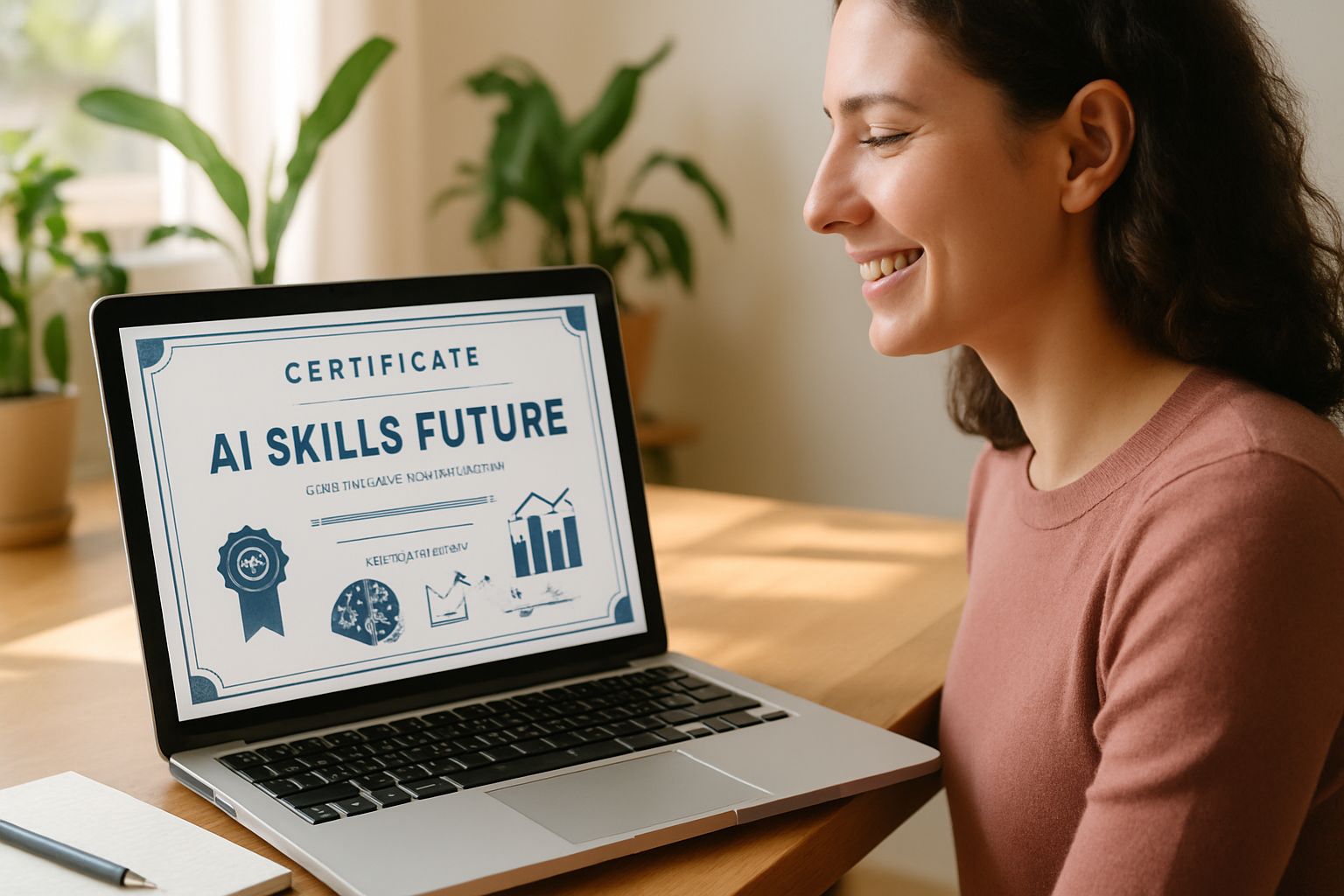
This article unpacks the trend, blends labor research, and offers practical guidance. Readers will meet the numbers behind the headlines, assess institutional responses, and discover pathways to resilient skills development. Throughout, the AI Skills Future theme anchors our exploration.
Student Fears Reshape Choices
Stanford Digital Economy Lab calls young workers “canaries in the coal mine.” Their August 2025 study links generative AI exposure to a 13% employment decline for 22-25-year-olds in vulnerable occupations. Consequently, students track that signal closely. The Lumina survey shows technology and vocational majors leading the pivot, with 25% and 26% already switching fields.
In contrast, healthcare programs appear safer. Only 9% of nursing students considered changing majors. The logic feels intuitive; bedside care blends interpersonal, physical, and cognitive tasks that resist rapid automation.
- 47% of all students have pondered a major change.
- 16% executed the switch because of AI worry.
- 57% use AI tools weekly for coursework.
- 42% say campuses discourage such tools.
These figures spotlight widespread Anxiety. However, they also reveal active adaptation rather than paralysis.
The numbers highlight rising stress. Nevertheless, they also frame a proactive generation seeking solutions.
Labor Data Sparks Alarm
Erik Brynjolfsson and colleagues parsed millions of ADP payroll records. Their evidence separates augmentation from substitution. When AI augments tasks, employment stabilizes. When it automates, early-career hiring shrinks. Moreover, high-exposure job families—clerical, basic coding, paralegal support—show the sharpest contractions.
Consequently, majors linked to those funnels now feel risky. Students read charts, watch LinkedIn trends, and calculate odds. Anxiety intensifies when advisers lack clear answers.
These labor signals drive enrollment swings. However, other experts warn against overcorrection.
Data clarify current threats. Meanwhile, they leave future trajectories uncertain, urging balanced preparation.
Universities Rapidly Revamp Curricula
Institutions are not idle. The University of South Florida launched the Bellini College of Artificial Intelligence, Cybersecurity and Computing in 2025. Administrators there promise cross-disciplinary learning, embedding AI ethics with technical labs. Furthermore, many community colleges now bundle prompt-engineering modules into writing courses.
Policy stances still diverge. Lumina found that 7% of schools actively encourage AI in coursework, whereas 42% discourage it. Consequently, student skill exposure varies dramatically by ZIP code.
Additionally, continuing Education divisions spot revenue opportunity. Short micro-credentials teach frontline staff to wield generative tools responsibly. Professionals can enhance their expertise with the AI Educator™ certification.
Campus innovation grows steadily. Nevertheless, uneven access could widen outcome gaps unless coordination improves.
Weighing Risks And Opportunities
Choosing majors feels like risk chess. Students now map task inventories against large-language-model capabilities. For instance, marketing majors compare data-analysis exposure with creative strategy tasks. Meanwhile, engineering students probe which design steps remain human-led.
Experts outline four guiding questions:
- Does the role require sustained human interaction?
- Are physical or hands-on elements central?
- Can AI tools augment rather than replace tasks?
- Will regulation or liability slow automation?
Healthcare, advanced manufacturing, and hybrid analytics score well under this lens. In contrast, routine coding ranks lower until augmentation advantages emerge.
These evaluative steps reduce Anxiety. Moreover, they shift focus from fear to analysis.
Thoughtful frameworks empower smarter decisions. Consequently, students pivot with strategy, not panic.
Building Durable Career Skillsets
Regardless of major, certain capabilities remain evergreen. Communication, critical thinking, and domain ethics top employer wish lists. Additionally, data literacy now joins that core. Therefore, faculty urge students to layer AI tool mastery onto foundational skills.
Industry surveys underscore five practical moves:
- Pair technical labs with liberal arts inquiry.
- Complete internships testing augmentation in real workflows.
- Seek cross-functional projects bridging coding, design, and policy.
- Pursue micro-credentials that validate applied AI competence.
- Document reflective learning to showcase adaptability.
Furthermore, the AI Skills Future rewards continuous upskilling. Certifications, including the linked AI Educator option, offer structured progression.
Skill layering builds resilience. Meanwhile, it narrows the gap between classroom and workplace expectations.
Guidance For Concerned Students
Advisers recommend a measured approach. First, audit personal strengths before chasing headlines. Secondly, review credible labor projections rather than social media chatter. Moreover, test emerging tools in controlled assignments to gauge fit.
Students should also network with alumni currently navigating early careers. Their experiences illuminate how majors translate amid automation flux. Additionally, campus career centers can surface internship data showing actual hiring shifts.
Finally, keep optionality alive. Minors, stackable certificates, and project portfolios let learners pivot without resetting degree clocks.
Focused planning tempers Anxiety. Consequently, students remain agile as technology evolves.
Outlook And Next Steps
Researchers will keep refining exposure indexes. Employers will experiment with augmented workflows. Universities will update syllabi yet again. Therefore, today’s strategic choices must remain flexible.
The AI Skills Future promises both disruption and demand. Students who mix technical fluency with human-centered strengths will likely fare best. Education leaders, meanwhile, must align policy, practice, and support services.
These ongoing shifts define the moment. Nevertheless, deliberate action can convert risk into opportunity.
In summary, labor data confirm change, institutions react unevenly, and informed students adapt. The path ahead favors continuous learning. Explore emerging programs, monitor credible research, and secure relevant credentials.
Consequently, seize the AI Skills Future now. Visit certification hubs, including the linked AI Educator program, and craft a resilient career roadmap today.
Disclaimer: Some content may be AI-generated or assisted and is provided ‘as is’ for informational purposes only, without warranties of accuracy or completeness, and does not imply endorsement or affiliation.


