

AI CERTS
8 hours ago
Illinois Crypto Defeats Shake Tech Politics
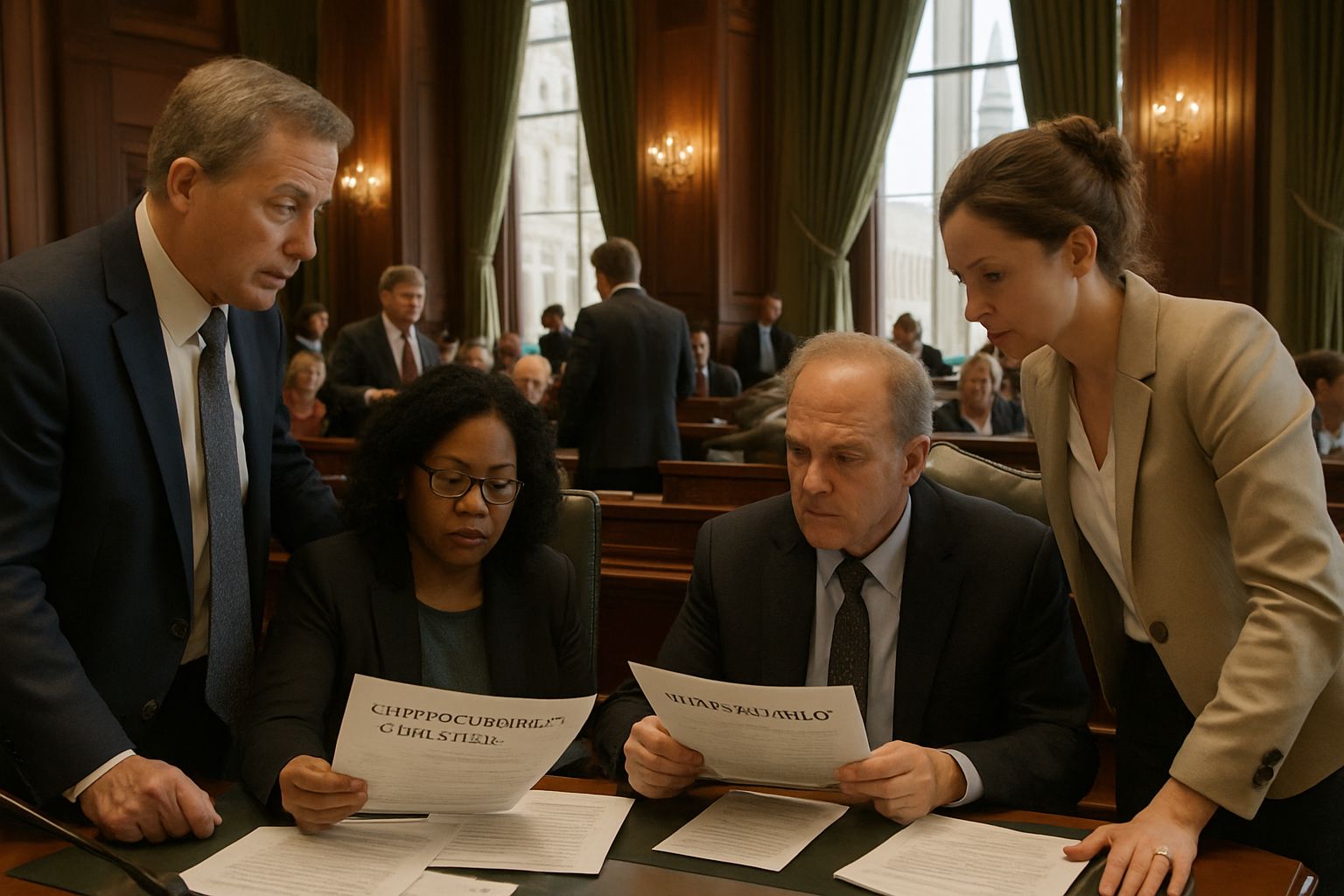
This article breaks down spending patterns, political backlash, and looming Regulation debates shaping the next cycle.
Moreover, it explores how lobbying tactics may evolve after such a public setback.
Industry leaders still wield vast war chests, yet Illinois shows that voters can reject outside narratives.
Therefore, professionals watching campaign finance must examine local sentiment, not only national fundraising totals.
Let us unpack the numbers, arguments, and lessons revealed by the March 17 contests.
Overall, Tech Politics observers see a live experiment unfolding.
Illinois Spending Surge Analysis
Fairshake entered 2026 with roughly $191.3 million on hand, according to FEC filings.
Additionally, the network unleashed more than $10 million opposing Stratton and millions on field lobbying operations targeting delegates.
In contrast, WBEZ reported total super PAC activity across four key districts reached $31.4 million.
Crypto, AI, and pro-Israel groups provided about $26.9 million of that sum, illustrating concentrated industry influence.
Spending dwarfed traditional local fundraising yet failed to ensure aligned results.
Consequently, money alone appeared insufficient against entrenched name recognition and homegrown alliances.
High-profile defeats illustrate that point most clearly.
High-Profile Losses Explained
Observers expected Representative Raja Krishnamoorthi to benefit from Fairshake ads criticizing Stratton’s crypto skepticism.
Nevertheless, Stratton secured endorsements from Governor JB Pritzker and Senator Elizabeth Warren, blunting negative narratives.
Moreover, La Shawn Ford survived $2.5 million in attack ads and still won Chicago’s Seventh District primary.
Analysts cited message saturation; many voters simply tuned out repetitive commercial spots perceived as external noise.
Each defeat represented a tangible setback for crypto strategists.
The pattern suggested diminishing returns on late, aggressive ad blitzes.
Understanding those limits clarifies the broader Tech Politics power equation.
Tech Politics Power Limits
Illinois demonstrates a ceiling on technology sector persuasion, even with record independent expenditures.
Critics argue that oversized checks create suspicion, sparking grassroots backlash instead of gratitude.
Meanwhile, anti-dark-money advocates quickly framed the defeats as proof that democracy resists corporate overreach.
Furthermore, Professor Brian Gaines told AP News that public opinion remains unformed regarding crypto lobbying, enabling volatility.
Such context reveals how Tech Politics may trigger unintended consequences.
Therefore, future committees must weigh message tone against perceived intrusion.
That strategic debate intensifies among industry donors.
Industry Strategy Debate Now
Supporters claim their involvement promotes innovation, jobs, and rational Regulation for emerging finance.
However, progressive groups counter that messaging masks a corporate agenda hostile to consumer safeguards.
Marc Andreessen’s Leading the Future PAC argues AI investment thrives when lawmakers champion experimentation over prohibition.
Conversely, Adam Green’s Progressive Change Campaign Committee warns that unchecked spending distorts primaries and confuses voters.
This clash dominates Tech Politics discourse on Capitol Hill.
Debate shows no sign of cooling after the Illinois setback.
Consequently, each side redoubles outreach before other crucial states vote.
Attention now shifts toward looming federal Regulation discussions.
Regulatory Stakes Ahead 2026
Congress will revisit stablecoin frameworks and SEC oversight in early 2027.
Therefore, Tech Politics watchers will track each committee vote closely.
Fairshake’s $191 million bankroll ensures continued lobbying pressure on committee chairs overseeing digital assets.
Moreover, Senate newcomers like Stratton could join skeptical Democrats questioning crypto exemptions.
Professionals can enhance their expertise with the AI Policy Maker™ certification, ensuring fluent policy analysis.
Upcoming hearings will test whether campaign losses blunt industry credibility.
Nevertheless, a large treasury can still fund data analytics and district research.
Lessons derived from Illinois inform donor tactics.
Lessons For Donors Learned
Message alignment with local concerns emerged as the decisive variable.
Consequently, seasoned Tech Politics donors urge door-knocking before ad production.
They also advise emphasizing job creation rather than niche technical jargon.
In contrast, watchdogs suggest publication of donor lists to reduce dark-money suspicion.
Failing to adopt these measures risks another electoral setback and wasted resources.
Illinois underscores the cost of ignoring grassroots sentiment.
Therefore, smarter budgeting may protect reputations while preserving influence.
Backlash patterns deserve further attention from data scientists.
Voter Backlash Signals Emerge
Post-primary interviews show many voters disliked aggressive negative ads funded by unfamiliar groups.
Moreover, some respondents reported intentionally supporting candidates attacked by outside money.
Subsequently, analysts predict future campaigns will temper tone to avoid similar resistance.
Nevertheless, high turnout demonstrated that controversy can mobilize previously disengaged citizens.
- 57% of surveyed participants recalled crypto ads negatively.
- 41% said outside spending reduced trust in attacked candidates.
- 29% viewed industry money as supportive of innovation debates.
Data confirm that unchecked spending risks alienating core Democratic electorates.
Consequently, campaign engineers must recalibrate persuasion models.
Those recalibrations shape the next moves for organized money.
Illinois reminds Tech Politics strategists that authenticity outranks pure exposure.
Conclusion And Outlook
Illinois primaries exposed tangible limits on deep-pocket influence, despite unprecedented spending bursts.
Moreover, failures signaled that local culture, not wallet size, often decides contested contests.
Industry actors still possess huge reserves, yet continued misalignment could renew public skepticism.
Consequently, smarter targeting, transparent disclosure, and early engagement appear vital for future success.
Meanwhile, policymakers will evaluate how these results shape forthcoming Regulation battles on Capitol Hill.
Professionals aiming to guide policy conversations should pursue the AI Policy Maker™ credential for sharper strategic insight.
Ultimately, adapting tactics now may prevent another costly electoral miss.
Act today and secure the knowledge needed to drive responsible innovation tomorrow.


