

AI CERTS
2 months ago
AI Native Phone sparks Autopilot disruption
Industry observers compare the shift to autopilot controls entering aviation decades ago. However, the promise arrives tied to security controversy and platform resistance. This article explains the stakes, reactions, and future trajectories for the emerging form factor. Meanwhile, professionals will discover how to prepare for new risk models and career opportunities.
AI Native Phone Impact
An AI Native Phone differs fundamentally from voice assistants bolted onto current handsets. Here, the agent sits below the graphical shell and owns the event pipeline. Consequently, natural language intents translate directly into taps, swipes, or API calls across apps. QuestMobile estimated Doubao reached 157 million monthly users in 2025, giving the platform immediate scale.
Therefore, nubia could leverage this reach to funnel traffic away from rival portals. FT analysts warn that control of payment steps could reshape revenue splits across China’s digital economy. Moreover, Autopilot interactions save precious seconds during bookings, edits, or reimbursements. Developers view the AI Native Phone as a canvas for cross-app macros previously impossible on mobile.
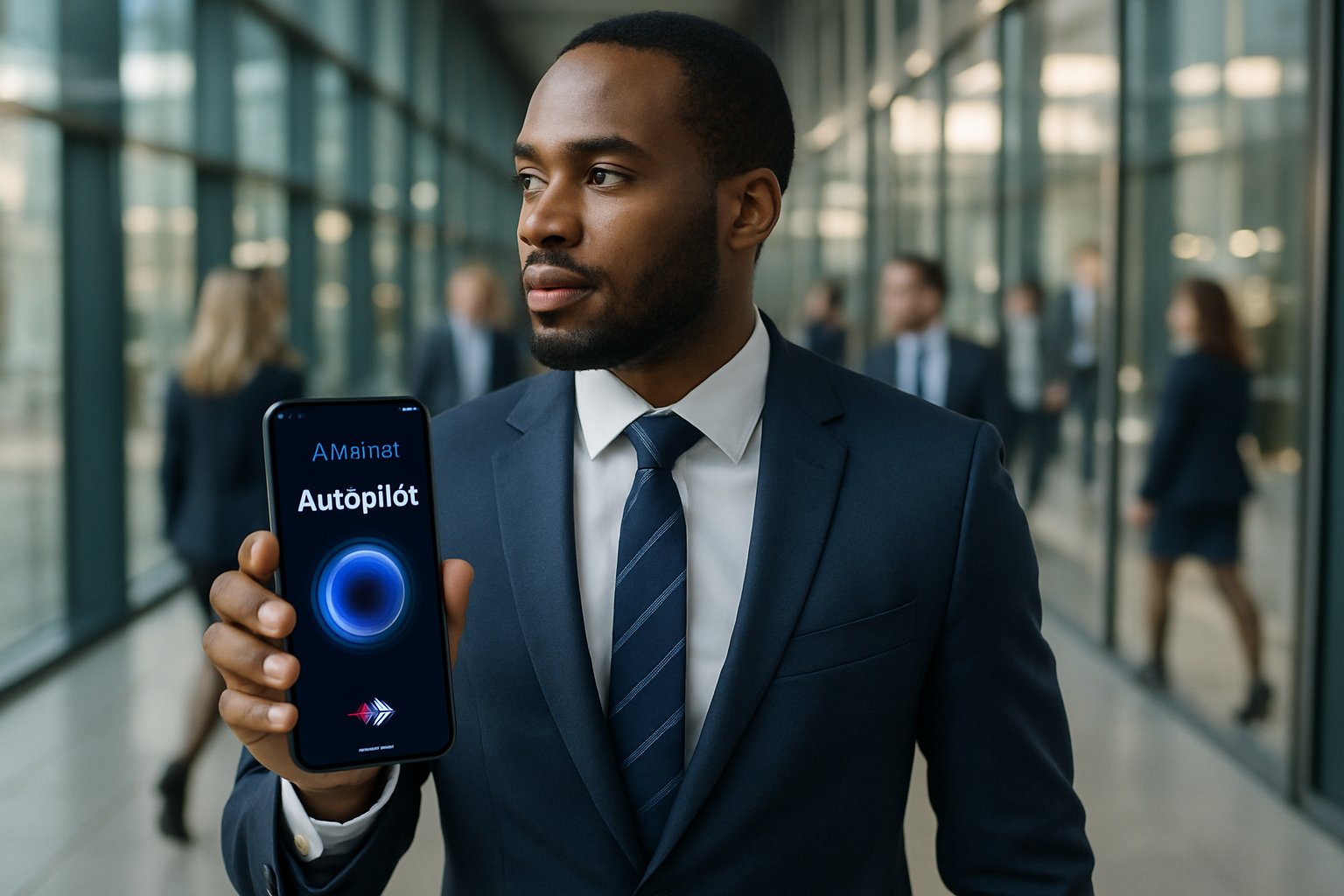
Independent tester videos show the agent completing a ten-step ticket purchase in just 23 seconds. In contrast, manual operation averaged 92 seconds during the same script. Consequently, these gains illustrate why ByteDance labels the model "mobile agentic". Such efficiency underpins ByteDance’s ambition to redefine everyday digital routines.
These performance metrics underscore the transformative potential of agentic hardware. However, impressive speed soon encountered equally rapid backlash.
Autopilot Shift Now Emerging
The 1 December engineering batch comprised roughly 30,000 units priced at RMB 3,499. Moreover, the stock vanished within minutes on ZTE Mall. Resellers marketed the AI Native Phone as scarce digital real estate. Subsequently, FT coverage likened the scramble to early crypto mining rigs.
nubia framed the drop as a developer seeding program rather than a consumer launch. Consequently, early adopters supplied crash logs and workflow suggestions through private Telegram groups. Those insights shaped firmware version M153.0.3 displayed at MWC 2026. ZTE executives promised monthly updates until commercial readiness.
Early demand validates curiosity around agentic phones. However, limited supply also protected nubia from large-scale support headaches. Next, security realities surfaced almost immediately.
Security Concerns Rapidly Surface
Banks and superapps reacted within 72 hours of shipment. Alipay, WeChat, and Taobao flagged Doubao automation as high risk. Therefore, payment confirmation screens required extra biometric checks or blocked outright. Lawfare described the agent’s INJECT_EVENTS capability as a "master key" bypassing normal sandbox rules.
Moreover, a senior security executive told Nikkei that Doubao held "excessively broad permissions". In contrast, legacy mobile OS policies isolate apps through strict intent filters. Consequently, the AI Native Phone challenges two decades of boundary design. Banks stated that the AI Native Phone could blur liability lines during automated payments.
- 30,000 engineering units sold out in China (Dec 2025)
- RMB 3,499 launch price; ~RMB 1,000 resale premium
- 157 million Doubao monthly users powering agent requests
- 72-hour window before major app restrictions began
- Snapdragon 8 Elite, 16GB RAM, 512GB storage prototype spec
These figures underscore both velocity and vulnerability. Nevertheless, technical friction soon met political friction. Platform conflicts followed swiftly.
Platform Pushback Details Unfold
Tencent applied automated risk rules that throttled message sending from the agent. Meanwhile, Alibaba warned merchants about unauthorized scraping through GUI proxies. Consequently, user forums filled with screenshots of blocked transactions. ByteDance engineers argued that audit logs proved compliant behavior.
Regulators stayed silent publicly, yet informal guidance reportedly urged caution. FT editorial staff noted parallels with past superapp turf battles. Moreover, the episode accelerated calls for standardised agent permission APIs. Such standards could placate platforms while retaining Autopilot convenience. Each platform faced pressure to allow the AI Native Phone controlled agent without exposing sensitive APIs.
Powerful incumbents can still slow disruptive UX models. However, economic incentives may eventually force compromise. Business stakes are therefore immense.
Business Power Dynamics Shift
Traffic redirection remains the real prize behind the agent narrative. ByteDance hopes conversations, shopping, and payments start with Doubao intents. Therefore, nubia benefits from differentiated hardware while ByteDance captures service margin. Advertising budgets may migrate toward the AI Native Phone if engagement metrics outperform superapp feeds.
ZTE leverages the buzz to refresh its consumer brand, historically overshadowed by rivals. Moreover, FT observers argue that enterprise buyers may follow if productivity macros mature. In contrast, Tencent fears losing high-value advertising segments to competing recommendation engines.
Agentic workflows could also empower smaller merchants who lack marketing budgets. Consequently, platform politics intertwine with socioeconomic narratives.
Stakeholders recognize both disruption and upside. Subsequently, policy debates intensified. Regulatory meetings soon followed.
Regulation Debates On Horizon
China’s MIIT and CAC have not issued formal rules yet. Nevertheless, working groups now draft agent-specific security standards. Experts expect requirements for explicit user opt-in, data minimization, and third-party audits. Professionals can enhance their expertise with the AI Security Level 1 certification.
Meanwhile, industry consortia discuss secure UI automation tokens instead of global INJECT_EVENTS rights. Therefore, FT sources predict a phased relaxation of current blocks once compliance tooling appears. ZTE representatives signaled willingness to pilot such protocols on future firmware. The company also committed to open audit APIs for banks.
Regulatory clarity will dictate adoption velocity. However, technical collaboration remains equally critical. Market forecasts already reflect these unknowns.
Outlook And Next Steps
Market trackers forecast limited edition runs continuing through 2026. Consequently, enthusiast communities will supply real-world data for iterative hardening. Afterward, full retail release could follow once permission standards stabilize.
International expansion depends on negotiations with Google Mobile Services and local regulators. Moreover, the company plans to bundle enterprise dashboards that log every agent gesture. Resellers expect another price spike if approvals lag.
Analysts advise CISOs to begin tabletop exercises around agent misuse scenarios now. Meanwhile, early adopters should monitor patch notes weekly. Finally, stay informed through reputable technical outlets and official security advisories.
The AI Native Phone remains experimental yet influential. Nevertheless, preparation today positions teams for tomorrow’s workloads.
The M153 adventure demonstrates how quickly agentic design can unsettle entrenched ecosystems. Moreover, platform reactions proved that real autonomy demands new trust frameworks, not only clever silicon. Consequently, risk owners must upgrade policies, monitoring, and staff skills. Stakeholders must decide whether the AI Native Phone future merits bold investment or cautious observation. Professionals should benchmark pilot metrics, engage with standards groups, and evaluate supply chain impacts. Finally, explore emerging credentials, including the linked AI Security Level 1 course, to stay ahead of autonomy’s curve.
Disclaimer: Some content may be AI-generated or assisted and is provided ‘as is’ for informational purposes only, without warranties of accuracy or completeness, and does not imply endorsement or affiliation.


