

AI CERTS
2 months ago
Workday Lawsuit Spotlights Hiring Bias
He alleges the screening algorithms produced illegal disparate impacts by age, race, and disability. Meanwhile, Judge Rita Lin has conditionally certified a nationwide collective of older applicants. Companies using Workday's tools could soon notify millions of potential claimants. The unfolding litigation offers a roadmap for compliance professionals seeking to manage algorithmic risk. Moreover, investors watch closely because vendor liability theories may reshape the HR technology market. This article unpacks the key developments, legal theories, and practical steps now demanded.
Hiring Bias Case Background
The complaint, filed on February 21, 2023, accuses Workday of systemic Age Discrimination through its AI screening suite. Specifically, plaintiff Derek Mobley contends that every rapid rejection evidences a pattern tied to score thresholds. In contrast, Workday insists employers made final decisions and its software merely flagged candidates. Nevertheless, Judge Lin allowed an agency theory, stating the algorithms can act as hiring gatekeepers.
Therefore, vendor transparency became central, and the court ordered discovery into HiredScore features deployed after its 2024 acquisition. Plaintiffs label this algorithmic pattern outright Hiring Bias affecting middle-aged professionals. These rulings widened exposure for technology providers. Consequently, legal theories now dominate discussion of algorithmic accountability.
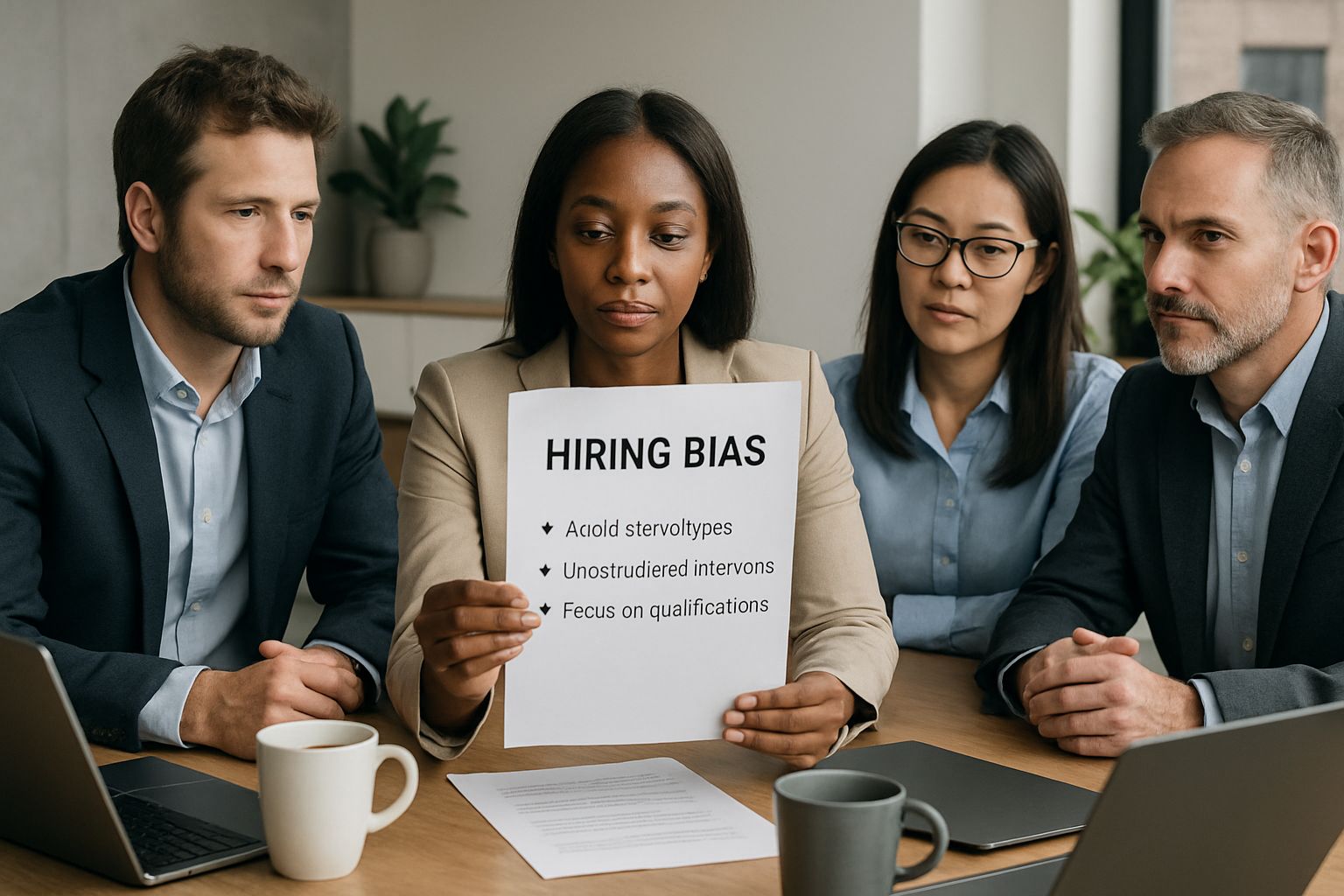
Key Legal Theories Examined
Disparate impact sits at the heart of the Hiring Bias dispute. Under ADEA, applicants aged 40 or more must show statistical shortfalls compared to younger peers. However, Workday argues that certain remedies exclude applicants and only cover current employees. Meanwhile, plaintiffs leverage the agency concept to sue the vendor directly instead of thousands of employers.
Moreover, the EEOC has filed an amicus brief supporting that expansive reading of employer liability. Courts seldom address Algorithmic Bias explicitly, yet older technology statutes like ADEA still govern Age Discrimination claims. These theories will define evidentiary burdens. Subsequently, discovery battles have intensified around data access.
Discovery Stakes Keep Rising
Discovery may span millions of applications because Workday processed a quarter of U.S. postings in 2023. Consequently, Workday asserts customer privacy and proprietary harm if raw logs become public. Plaintiffs counter that selection rate data remains essential to prove Hiring Bias statistically. Additionally, model documentation could reveal Algorithmic Bias embedded through historical training data. Judge Lin already ordered identification of customers who enabled HiredScore features.
- May 16, 2025: Conditional collective certification granted.
- Dec. 2, 2025: Notice plan approved, website launched.
- March 7, 2026: Opt-in deadline for applicants.
These milestones accelerate the timeline toward a possible trial. Therefore, vendor liability arguments intensify in parallel.
Vendor Liability Debate Intensifies
Technology vendors historically avoided direct exposure under employment statutes. In contrast, the agency theory frames algorithms as de facto hiring managers. Consequently, investors fear that proven Hiring Bias could trigger sweeping indemnity claims. Workday stresses human decision makers remain involved and tools lack access to protected traits. Nevertheless, plaintiffs plan to show quick automated rejections leave little room for human override. Legal analysts predict a settlement could require algorithmic audits and public reporting. The stakes extend beyond one platform. Meanwhile, market and policy forces amplify the pressure.
Market And Policy Impact
Procurers now demand bias audit clauses before signing HR software contracts. Moreover, state laws require annual Algorithmic Bias assessments for automated decision tools. Consequently, financial analysts expect compliance spending to rise across the HR technology stack. Age Discrimination watchdogs urge boards to monitor vendor controls because older workers form a growing electorate. Additionally, Workday's $530 million HiredScore purchase underscores how bias mitigation now drives acquisitions.
- Stricter due diligence on algorithm design.
- Contractual rights for independent audits.
- Higher insurance premiums for vendors.
Investors now penalize firms linked to proven Hiring Bias claims. These market shifts reward transparent vendors. Consequently, employers must prepare proactive controls.
Preparation Steps For Employers
Legal teams should map each automated decision point across recruiting workflows. First, request detailed model documentation from vendors and other partners. Second, negotiate contract amendments granting audit and data-access rights. Third, run internal validation studies to detect Hiring Bias before claims arise.
Furthermore, compliance officers can upskill through the AI Educator™ certification to understand algorithm governance. Age Discrimination training should accompany these technical reviews to reinforce inclusive hiring protocols. Structured plans reduce litigation exposure. Nevertheless, final outcomes remain uncertain until the court rules.
Conclusion And Next Steps
Mobley v. Workday stands as the most closely watched algorithmic employment case. Consequently, its outcome will influence future Hiring Bias litigation across every talent platform. The dispute spotlights Age Discrimination risks inherent in data-driven ranking systems. Moreover, Algorithmic Bias regulations now converge with private lawsuits, intensifying compliance pressure.
Employers that act early by demanding transparency, validating outputs, and training staff can lower exposure. Meanwhile, vendors must balance innovation with rigorous auditability or risk brand damage. Therefore, monitoring the docket through March 2026 remains essential for stakeholders. Explore certification pathways and gain skills to audit for Hiring Bias while staying ahead of evolving obligations.
Disclaimer: Some content may be AI-generated or assisted and is provided ‘as is’ for informational purposes only, without warranties of accuracy or completeness, and does not imply endorsement or affiliation.


