

AI CERTS
4 hours ago
Frontier Diplomacy: Inside Islamabad’s US-Iran Summit
Moreover, the talks carried economic stakes because shipping through Hormuz remained partially blocked by mines. Vice President J.D. Vance led Washington’s lean mission, while Speaker Mohammad Bagher Ghalibaf commanded Tehran’s 70-strong team. Both sides arrived with public red lines yet signalled tactical flexibility behind closed doors. This article unpacks the summit mechanics, negotiation challenges, and technology’s silent role in supporting fragile progress.
Scholars define Frontier Diplomacy as mediation performed by states located at geopolitical crossroads. Pakistan fits that profile because it borders Iran, Afghanistan and has historic military ties with Washington. Additionally, Islamabad leveraged those linkages to invite both adversaries without appearing partisan. Meanwhile, the format differed from earlier European venues, illustrating how diplomatic geography is shifting eastward. Therefore, emerging powers now compete to host flashpoint negotiations that once defaulted to Geneva or Vienna.
These dynamics elevate mid-tier states and diversify the conflict resolution toolkit. Frontier Diplomacy offers new channels yet amplifies regional risk. However, its agility can unlock breakthroughs. The summit roster underscores why Pakistan seized the moment.
Islamabad Summit Contextual Overview
February strikes on Iranian targets escalated into a sprawling conflict across Lebanon, Iraq, and the Gulf. Subsequently, Pakistani envoys shuttled between capitals and announced a two-week ceasefire on 7 April. That temporary halt enabled the US-Iran talks to move from encrypted channels to physical tables. Moreover, Pakistan set up visa-on-arrival desks, a media hub, and layered security checkpoints across Islamabad. Foreign Minister Ishaq Dar briefed reporters that nearly 50 international journalists registered within 24 hours. In contrast, residents saw main arteries closed, while army helicopters patrolled the skyline.
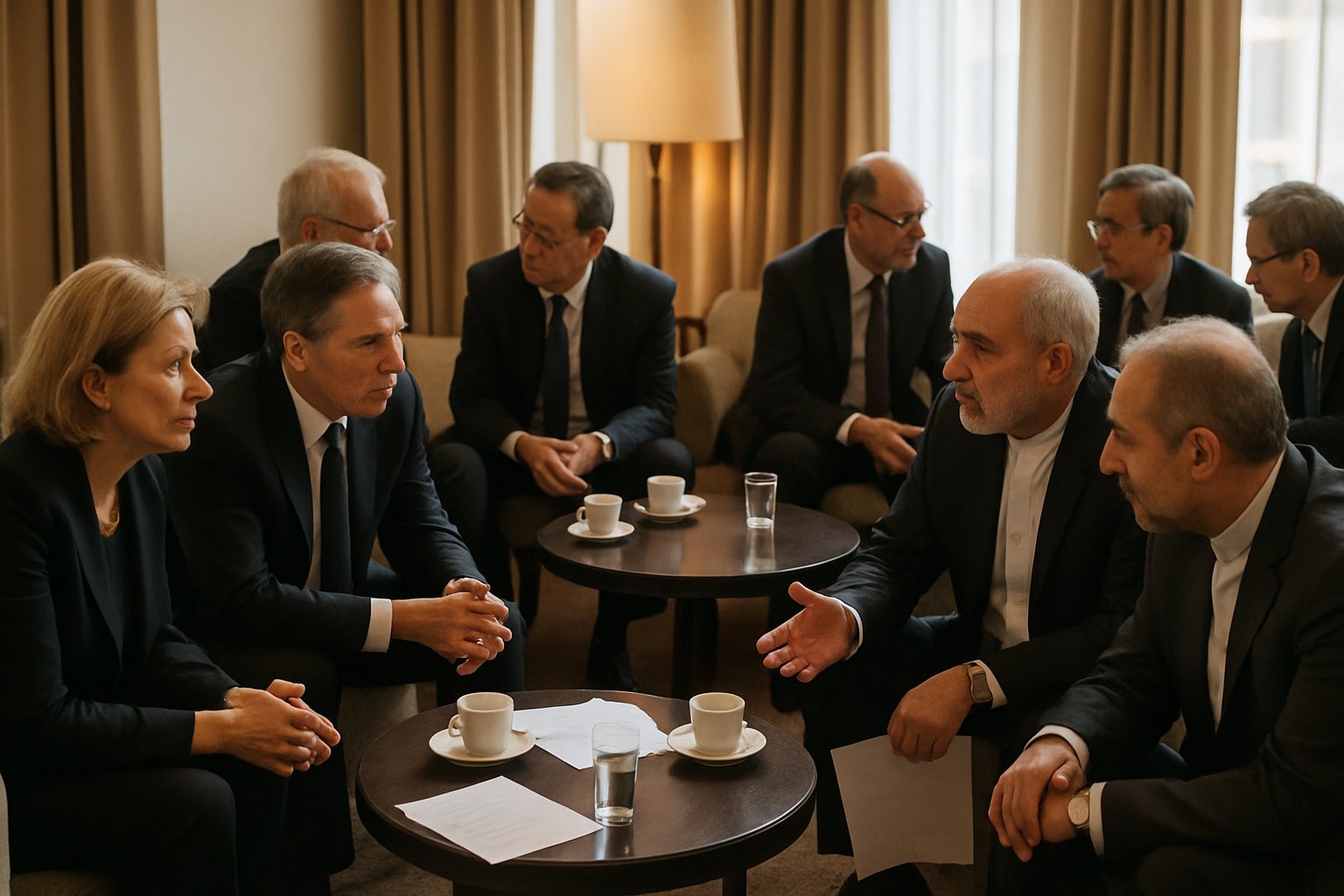
The summit opened on 11 April inside the Prime Minister’s enclave away from broadcast cameras. Nevertheless, both delegations released curated images showing cordial handshakes. Observers stated this form of Frontier Diplomacy demanded disciplined symbolism. Delegation design soon clarified each side’s posture. The background reveals how urgency, optics, and logistics intertwine. Consequently, context shaped every negotiation posture. That posture became clearer once the delegate lists surfaced.
Delegations At A Glance
The United States sent Vice President Vance, special envoy Steve Witkoff, and advisor Jared Kushner. Iran countered with Speaker Ghalibaf, Foreign Minister Araghchi, and economic, military, and banking chiefs. Additionally, Tehran’s group exceeded 70 personnel, dwarfing Washington’s lean entourage.
- U.S. delegation: 15 members, led by Vice President Vance.
- Iranian delegation: over 70 officials, led by Speaker Ghalibaf.
- Pakistani facilitation team: 25 diplomats and security chiefs.
Meanwhile, Pakistan’s Prime Minister Shehbaz Sharif chaired the opening plenary flanked by Army Chief Asim Munir. Experts said such high-level attendance signalled commitment but also heightened stakes. Therefore, any walkout would carry immediate political cost back home. The asymmetric sizes created tactical contrast; Iran projected resolve, while the U.S. emphasised agility. However, insiders suggested working groups were balanced to avoid one-sided photo optics. Crucially, female envoys from neither side appeared in official photos, reflecting conservative domestic constraints. Delegation design revealed strength messaging and internal red lines. Subsequently, focus shifted to substantive gaps. Those gaps clustered around three stubborn faultlines.
Core Negotiation Faultlines Explored
Lebanon topped Iran’s list; Tehran demanded an Israeli ceasefire before broader concessions. The United States framed Israeli operations as external to the US-Iran talks, resisting linkage. Moreover, Iran sought unfreezing of blocked assets valued in billions. In contrast, Washington linked sanctions relief to verified de-escalation and proxy pullbacks. Maritime freedom through Hormuz formed the third faultline, tying economic urgency to security guarantees. Consequently, naval incidents and mine threats dominated early side-bar sessions.
Analysts warned mistrust runs deep, so incremental trade-offs may precede comprehensive text. Nevertheless, both teams agreed the existing ceasefire must hold during talks. Frontier Diplomacy thrives on stepwise confidence building, not sweeping grand bargains. The agenda spans security, sanctions, and regional theatres. However, layered sequencing could convert deadlocks into phased gains. Maritime issues deserved their own spotlight.
Maritime Pressure Point Hormuz
The Strait of Hormuz channels one-fifth of global oil trade. Additionally, recent mines forced insurers to raise premiums and reroute tankers. U.S. Central Command deployed two destroyers to clear lanes and signal deterrence. Meanwhile, Iran’s Revolutionary Guard shadowed convoys from coastal bases. The ceasefire reduced missile launches but sea mines remained active hazards. Therefore, negotiators discussed a joint verification mechanism using neutral maritime agencies. Frontier Diplomacy here entailed technical risk sharing rather than pure political rhetoric. Experts proposed involving the International Maritime Organization to certify safe passage reports.
Professionals can enhance their expertise with the AI for Government™ certification, which covers maritime data governance. Consequently, real-time sensor fusion could verify mine clearance and reinforce commercial confidence. Securing Hormuz unlocks economic relief and signals tangible progress. Subsequently, Pakistan leveraged tech partnerships to sustain discussions. That leverage reflects Islamabad’s broader mediator blueprint.
Pakistan Mediator Strategy Blueprint
Pakistan balanced neutrality and leverage by offering hospitality, security, and cultural proximity to Iran. Furthermore, Islamabad avoided publicity stunts, opting for disciplined press pool briefings. The approach echoed past Frontier Diplomacy successes in Doha and Muscat. Prime Minister Sharif framed the summit as make-or-break, rallying domestic support for bold diplomacy. Nevertheless, skeptics inside Pakistan warned that failure could invite blowback from both friends and foes.
Therefore, military and intelligence chiefs attended, ensuring alignment across state institutions. Additionally, Pakistan lobbied China and Saudi Arabia privately to endorse ongoing US-Iran talks. Those endorsements aimed to deter spoilers and reassure markets. Islamabad fused facilitation, security, and silent lobbying into an integrated plan. Consequently, tech tools augmented that plan. Technological enablers warrant closer inspection.
Technology Quiet Support Systems
Encrypted videoconference suites allowed sub-working groups to consult capitals without delaying plenaries. Moreover, AI translation modules shortened document drafting cycles and reduced semantic drift. 5G backhaul ensured journalists could file updates without compromising delegate connectivity. Frontier Diplomacy increasingly relies on such digital scaffolding to compress negotiation timelines. Professionals can enhance their expertise with the AI for Government™ certification, gaining skills to manage these platforms. Consequently, governments nurture internal talent instead of outsourcing sensitive data flows.
Nevertheless, cybersecurity remained a concern; Pakistani CERT teams monitored traffic for intrusion attempts. In contrast, delegates kept personal devices in Faraday pouches during private sessions. Secure, smart infrastructure accelerated dialogue while guarding secrets. Subsequently, eyes turned toward the summit’s next phase. Future scenarios reveal measured optimism.
Next Steps Outlook Ahead
Negotiators agreed to reconvene virtually within one week to review Hormuz clearance reports. Additionally, technical teams will exchange draft language on sanctions relief sequencing. The truce clock now shows ten days remaining, raising pressure to extend it. Frontier Diplomacy dictates building small victories, so delegations may announce a 48-hour rollover. However, unresolved Lebanon linkage could derail momentum if Israeli strikes intensify. Therefore, Pakistan is preparing contingency shuttle visits to Beirut and Tel Aviv.
Meanwhile, EU envoys signalled readiness to host a subsequent round if progress continues. Successive meetings would keep US-Iran talks insulated from media theatrics. Timelines are tight yet structured. Consequently, measured confidence prevails among insiders. The coming week will test every promise.
The Islamabad Talks exemplify how Frontier Diplomacy transforms regional crises into calibrated processes. Moreover, success hinges on extending the fragile truce and safeguarding Hormuz shipping. Delegations must bridge Lebanon, sanctions, and verification gaps before headlines fade. Consequently, Pakistan’s mediator brand will rise if tangible relief reaches civilians and traders. Conversely, failure would undercut future US-Iran talks and embolden hard-liners.
Nevertheless, technology, incrementalism, and shared economic pain give negotiators incentive to persist. Professionals seeking to navigate similar arenas can study Frontier Diplomacy frameworks and pursue the linked AI certification. Stay tuned for the next round, and leverage new skills to contribute to pragmatic peace.


