

AI CERTS
50 minutes ago
Disneyland’s Biometric Security Rollout Raises Privacy, Ops Risk
Meanwhile, only four conventional lanes remained during a Los Angeles Times site check. Attendance runs in the tens of millions yearly, so even marginal efficiency gains matter. Nevertheless, privacy advocates argue the scale normalizes surveillance. This article unpacks mechanics, benefits, risks, and next steps for enterprises evaluating similar deployments.
Disneyland Rollout Details Today
The current rollout follows smaller pilots in 2021 and 2024. Additionally, Universal Orlando introduced comparable gates earlier, showing growing industry comfort. Reporters observed face-matching in nearly every queue between April 24 and 30, 2026. Consequently, Disneyland framed the expansion as a fraud deterrent and convenience upgrade. Guests who prefer traditional checks must proactively choose marked non-biometric lanes. In contrast, many visitors interviewed by Fortune admitted they joined biometric lines without noticing signs.
Disney’s public notice stresses participation is optional and that minors require guardian consent. Furthermore, the company pledges to delete biometric templates within 30 days unless legal or fraud exceptions apply. However, retention rules for raw images remain unspecified. These operational facts set the stage for deeper technical analysis. Yet questions linger about vendor identity and storage architecture.
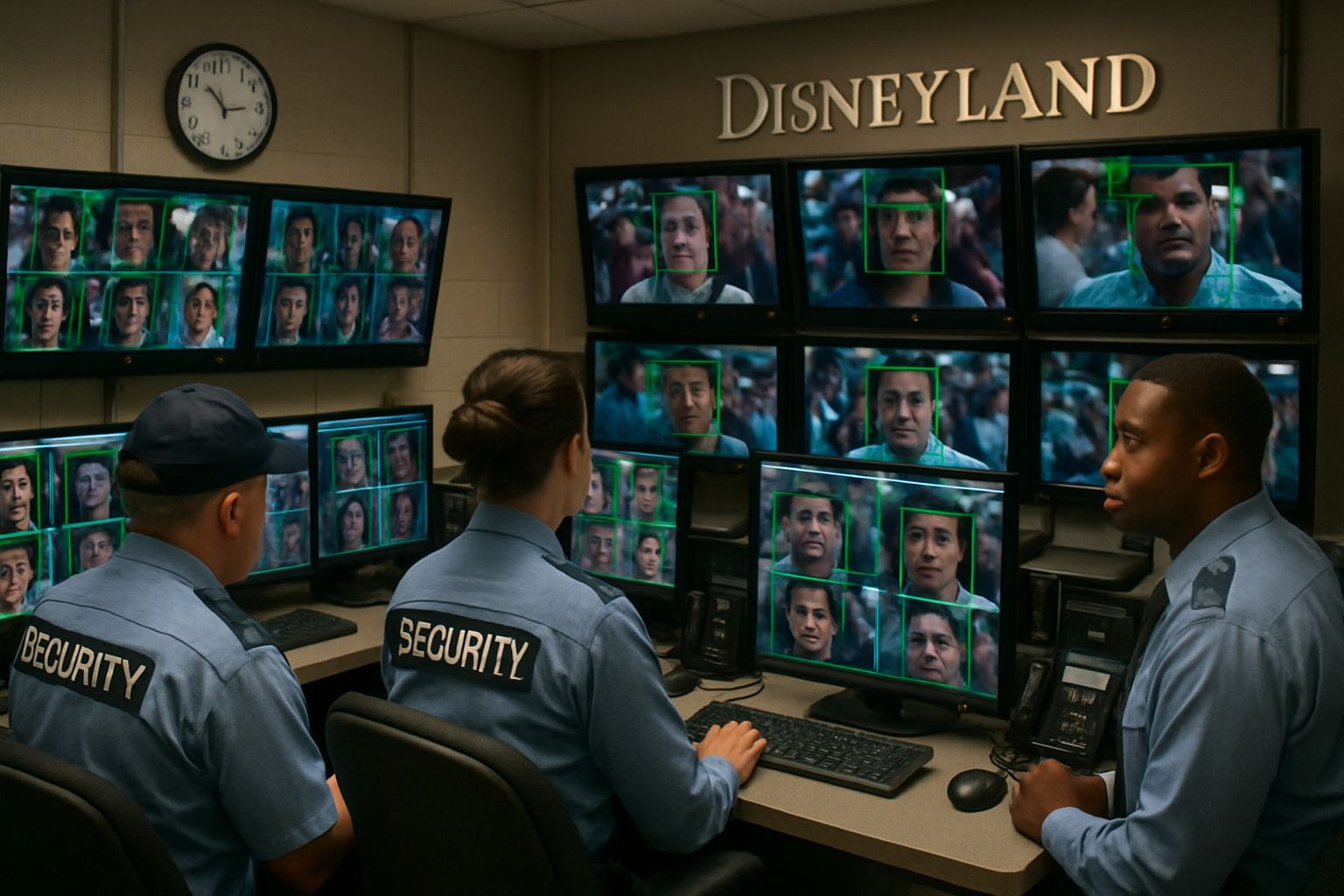
These rollout specifics illustrate rapid adoption speed. Moreover, they highlight communication gaps that may shape guest trust during future expansions.
How The System Works
The system captures a still image as visitors enter. Subsequently, software extracts facial features and produces a unique numerical template. That template matches against the ticket’s stored version to verify identity. According to Disney’s notice, unmatched cases divert guests to a manual check lane. Furthermore, children under eighteen undergo scans only with consent. Accuracy challenges persist; sunglasses, masks, or stroller height variations sometimes trigger retakes. Nevertheless, automation reduces staffing at peak times and flags suspected Fraud faster than manual checks. Industry analysts confirm similar algorithms power airline boarding gates worldwide. However, fairness audits remain undisclosed, leaving concerns about demographic bias unresolved.
Understanding these technical mechanics reveals efficiency drivers. Consequently, it prepares security leaders to benchmark performance and risk when considering comparable solutions.
Biometric Security Best Practices
Enterprises rolling out large-scale face matching should adopt strict governance. Firstly, publish clear opt-out paths with equal service quality. Secondly, enforce minimal data retention, mirroring Disney’s 30-day promise. Moreover, encrypt templates both in transit and at rest. Organizations should also segregate raw images from matching engines to limit breach impact. The Electronic Frontier Foundation warns that collected data attracts attackers. Therefore, layered defenses, third-party audits, and incident response drills become essential. Professionals can enhance their expertise with the AI Security Level 2™ certification. The program covers threat modeling, algorithmic bias testing, and compliance frameworks. Collectively, these controls strengthen overall Biometric Security posture and reassure stakeholders.
- 30-day deletion policy for templates, barring legal or Fraud disputes.
- Optional lanes remain, yet four only were available during LA Times observations.
- Past tests occurred at Walt Disney World in 2021 and California Adventure in 2024.
These best practices mitigate core risks. However, unresolved transparency gaps could still erode consumer confidence.
Security And Privacy Debates
Privacy scholars label the rollout a watershed moment. Ari Waldman of UC Irvine states that ubiquitous face matching erodes anonymity in public spaces. Moreover, Adam Schwartz at EFF warns that storing biometric data creates a high-value breach target. Disneyland asserts compliance with California’s privacy statutes and cites multiple safeguards. Nevertheless, critics note that opt-out models shift the burden to guests. In contrast, an affirmative opt-in would demand explicit agreement before scans occur. Furthermore, Disney has not specified if law-enforcement requests could extend retention beyond 30 days. These unanswered questions fuel ongoing Privacy debates.
The clash between convenience and civil liberties underscores strategic stakes. Consequently, companies must weigh reputational risk as heavily as technical efficacy.
Operational Pros And Cons
Quantifiable gains include faster throughput during peak re-entry windows and automated Fraud detection. Additionally, staff can redeploy from ticket checks to guest services, enhancing overall experience. However, early users reported occasional slowdowns when cameras struggled with lighting or group shots. Furthermore, bias risks could undermine claims of equitable service. Disney’s silence on vendor audits intensifies scrutiny. On the cost side, camera hardware, secure storage, and algorithm licensing demand substantial budgets. Nevertheless, long-term savings from reduced pass-sharing may offset capital outlays.
These operational trade-offs reveal no one-size-fits-all formula. Yet decision makers gain insight by balancing measurable benefits against intangible Privacy costs.
Industry And Expert Reactions
Theme park rivals and stadium operators watch Anaheim closely. Moreover, Biometric Update notes a broader trend toward hands-free entry across entertainment venues. Experts expect adoption to accelerate as vendors improve edge processing speeds. In contrast, civil-liberties groups lobby for stricter state oversight. Meanwhile, California legislators contemplate amendments to the California Consumer Privacy Act that would tighten biometric provisions.
Analysts predict that any high-profile breach could trigger rapid regulatory shifts. Consequently, organizations investing in face matching should future-proof systems against evolving compliance demands. Regular external audits and transparent reporting build resilience and reinforce Biometric Security credibility.
These industry signals suggest momentum will continue. However, sustained growth hinges on trustworthy governance frameworks.
Strategic Takeaways For Businesses
Leadership teams considering facial matching should initiate multidisciplinary reviews. Finance leaders must model savings from fraud reduction against capital and operating expenses. Meanwhile, legal teams should draft clear retention and deletion schedules to satisfy Privacy regulators. Additionally, communications staff should craft signage and FAQs that truly inform users.
Continuous accuracy testing across demographics will protect brand equity and reduce liability. Therefore, aligning technical performance with ethical commitments becomes paramount. Finally, investing in staff training, such as the earlier mentioned AI Security Level 2™ credential, cultivates internal expertise. Adopting these measures strengthens organizational Biometric Security strategies while preserving user trust.
These strategic steps translate lessons from Disneyland’s experience into actionable guidance. Consequently, they prepare enterprises for responsible, scalable deployments.
Conclusion And Next Steps
Disneyland’s expanded face matching demonstrates both promise and peril. Operational efficiencies and Fraud control appeal to revenue managers. However, persistent Privacy questions and breach risks demand rigorous safeguards. Moreover, transparent policies, short retention windows, and regular audits form the backbone of resilient Biometric Security frameworks. Consequently, businesses should adopt holistic governance before deploying similar tools. Professionals eager to lead these initiatives should pursue advanced training and certifications.
Act now to deepen your expertise. Explore the AI Security Level 2™ program and position your organization for secure, ethical innovation.
Disclaimer: Some content may be AI-generated or assisted and is provided ‘as is’ for informational purposes only, without warranties of accuracy or completeness, and does not imply endorsement or affiliation.


