

AI CERTS
1 hour ago
Musk v. Altman: Battle Over OpenAI’s AI Founding Mission
Consequently, policy makers, investors, and engineers seek clarity on whether a once-charitable endeavor can pivot into an $852 billion juggernaut without legal blowback.
Musk frames the confrontation as a moral crusade, not a personal Feud. “It’s not OK to steal a charity,” he told jurors. In contrast, OpenAI calls the Lawsuit “incoherent” and dismisses Musk’s claims as competitive maneuvering. Meanwhile, Microsoft insists its partnership simply fueled innovation within a legitimate capped-profit model. These sharply different narratives set the stage for a landmark verdict that may redefine philanthropic tech ventures.
Trial Opens Amid Feud
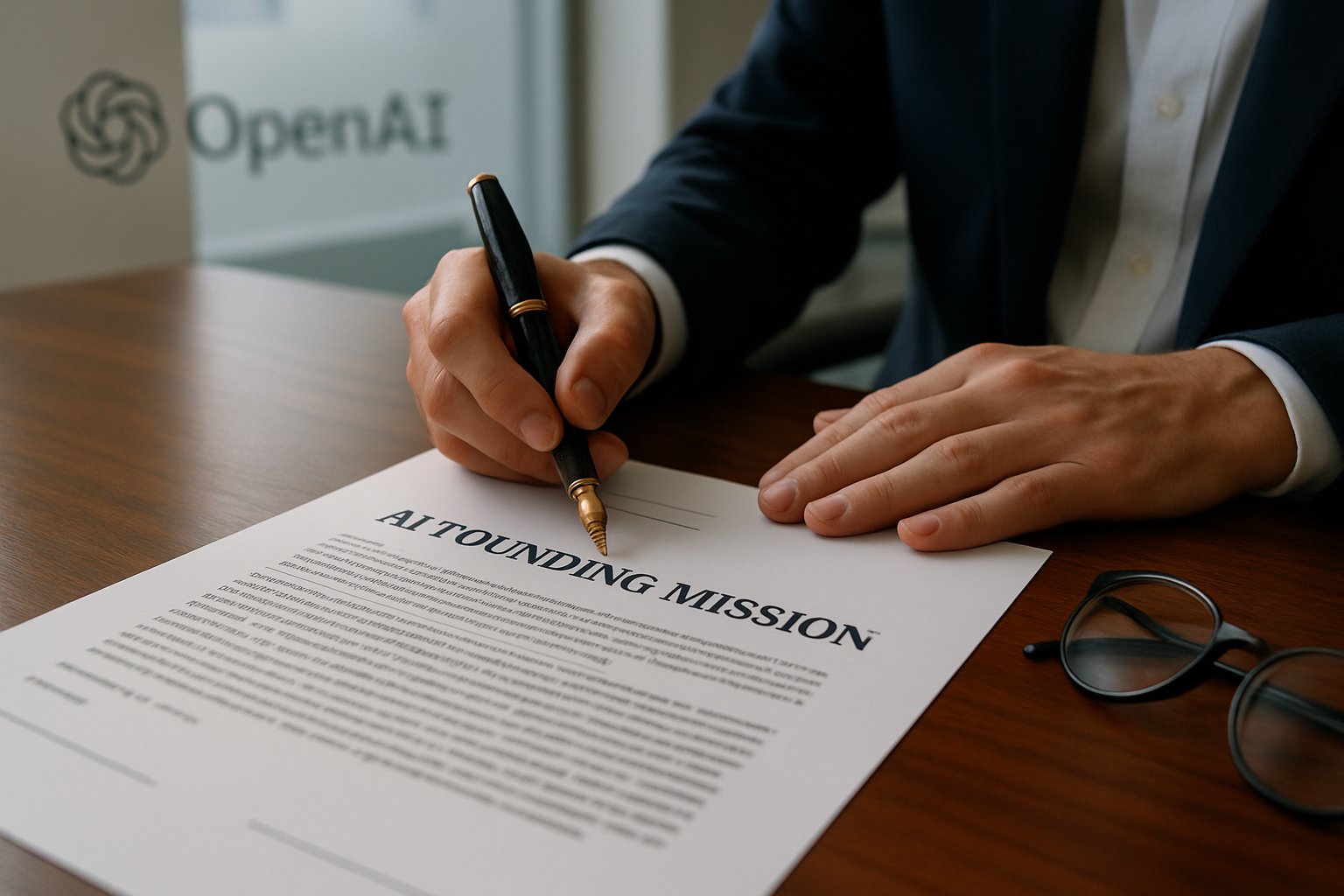
Jury selection began on 27 April 2026 under Judge Yvonne Gonzalez Rogers. Furthermore, opening statements painted starkly opposed pictures of OpenAI’s evolution. Musk’s counsel Steven Molo declared the defendants “stole a charity,” emphasizing repeated departures from the original AI Founding Mission. Subsequently, Altman’s lawyers countered that no binding founding agreement ever existed.
The public closely tracks every testimony because the Feud involves industry celebrities. Moreover, xAI, Musk’s rival venture, stands to gain reputationally if the jury sides with him. Nevertheless, Altman remains a respected innovator whose stewardship of ChatGPT reshaped popular understanding of artificial intelligence. These dynamics amplify media interest and heighten juror pressure.
These early exchanges highlight divergent philosophies about stewardship. However, the evidence phase will decide whether ideals or contracts ultimately control high-impact research ventures. The courtroom now shifts to document disclosures and witness cross-examinations.
Musk's Core Allegations
Musk alleges breach of an implicit trust established in 2015. Additionally, he cites personal donations exceeding $44 million made while OpenAI functioned as a Non-profit. Therefore, he claims standing to demand injunctive relief and disgorgement. He asserts that the 2019 creation of OpenAI LP, a capped-profit entity, violated the AI Founding Mission promise to share research widely.
Founding emails and charter drafts feature prominently. In contrast, the defense argues those materials never formed an enforceable contract. Nevertheless, Musk’s team insists charitable principles bound the organization, regardless of later restructuring. Consequently, they ask the court to unwind Microsoft’s equity stake and remove leadership.
Founding Agreement Disputed
Key correspondence shows early donors discussing public benefit goals. However, legal analysts note that aspirational language rarely equals a contract. Meanwhile, OpenAI points to board resolutions approving the capped-profit pivot. Consequently, the jury must decide whether moral commitments translate into legal obligations.
These allegations underline Musk’s strategic objective: reanchor OpenAI to its original ethos. However, proving that ethos was legally fixed remains a steep challenge. The trial record will soon reveal whether documentation supports Musk’s narrative or validates Altman’s defense.
Defense Rebuts Betrayal Claims
OpenAI labels the suit “frivolous” and motivated by competitive jealousy. Moreover, it emphasizes that the capped-profit structure keeps mission control with the Non-profit board. Microsoft echoes that view, stating its investment occurred after Musk’s departure. Consequently, both parties argue Musk misreads corporate law.
Defense experts also target the massive damages model. In contrast, Musk offers to redirect any award back to the charity, undercutting profit motives. Nevertheless, the defense insists the disgorgement theory stretches precedent. Therefore, they have filed Daubert motions challenging Musk’s valuation methodology.
Capped-Profit Model Explained
OpenAI LP limits investor returns to 100-times principal, according to public blog posts. However, Musk argues that cap still converts charitable assets into private gain. Furthermore, he stresses that accepting a for-profit ceiling does not satisfy the original AI Founding Mission. Whether the cap preserves or violates public benefit will influence the verdict.
These rebuttals aim to portray Musk as an outsider seeking influence he voluntarily relinquished. Yet jurors may sympathize with donor protection arguments. The defense now moves to demonstrate procedural compliance and good-faith evolution.
Massive Damages Calculated
Musk’s remedies filing seeks disgorgement between $79 billion and $134 billion. Furthermore, expert witnesses base calculations on OpenAI’s reported $852 billion private valuation. However, defendants describe the figure as speculative because private share prices lack transparency. Consequently, the jury must weigh complex valuation models.
- Donations cited: over $44 million from Musk during the Non-profit phase.
- Private valuation used: $852 billion post-money after a $122 billion round.
- Disgorgement range: $79-134 billion, hotly contested by defense experts.
Additionally, Musk claims he would donate the proceeds back to OpenAI’s charity arm. Nevertheless, Microsoft calls the demand unprecedented and potentially destabilizing for future research partnerships. Therefore, the court’s handling of damages may set a novel precedent.
These staggering numbers spotlight what is at stake. However, even a symbolic award could influence governance practices throughout the sector.
Wider Industry Implications
Regardless of outcome, the trial spotlights governance dilemmas facing advanced AI firms. Moreover, it tests how hybrid structures can balance scale with social responsibility. If Musk wins, other donors may challenge similar pivots away from Non-profit roots. In contrast, a defense victory may validate capped returns as an acceptable compromise.
Regulators also watch for disclosures about AGI safety controls. Furthermore, venture capitalists track whether large strategic deals invite legal scrutiny. Consequently, boards may revisit mission statements, donor agreements, and corporate conversions to avoid future Lawsuit risks.
These implications extend well beyond Silicon Valley. However, global AI alliances could adopt stricter governance charters to reassure stakeholders.
Strategic Guidance For Leaders
Decision makers can draw immediate lessons. Firstly, document mission changes transparently and secure donor consent. Secondly, evaluate whether hybrid structures authentically protect public interest. Thirdly, prepare litigation contingencies when reputational stakes soar.
Professionals can enhance their expertise with the AI-Legal Strategist™ certification. Moreover, this program covers charitable trust law, capped-profit models, and intellectual-property licensing. Consequently, graduates better navigate disputes where an AI Founding Mission collides with commercialization.
These steps foster resilient governance. Meanwhile, organizations can innovate confidently while honoring original commitments.
Conclusion And Next Steps
The Musk-Altman confrontation places OpenAI’s AI Founding Mission under a global microscope. Nevertheless, the jury’s decision will reverberate through philanthropic tech, investor strategy, and regulatory agendas. Moreover, the case tests whether lofty ideals hold contractual weight when billions beckon.
Consequently, leaders should monitor courtroom developments and reassess mission safeguards. Explore specialized training, adopt transparent reporting, and engage donors proactively. Finally, gain deeper legal insight through certifications that empower sound governance and sustainable innovation.
Disclaimer: Some content may be AI-generated or assisted and is provided ‘as is’ for informational purposes only, without warranties of accuracy or completeness, and does not imply endorsement or affiliation.


