

AI CERTS
4 hours ago
Deepfake Fraud Risks: BoE Warns of Escalating AI Investment Scams
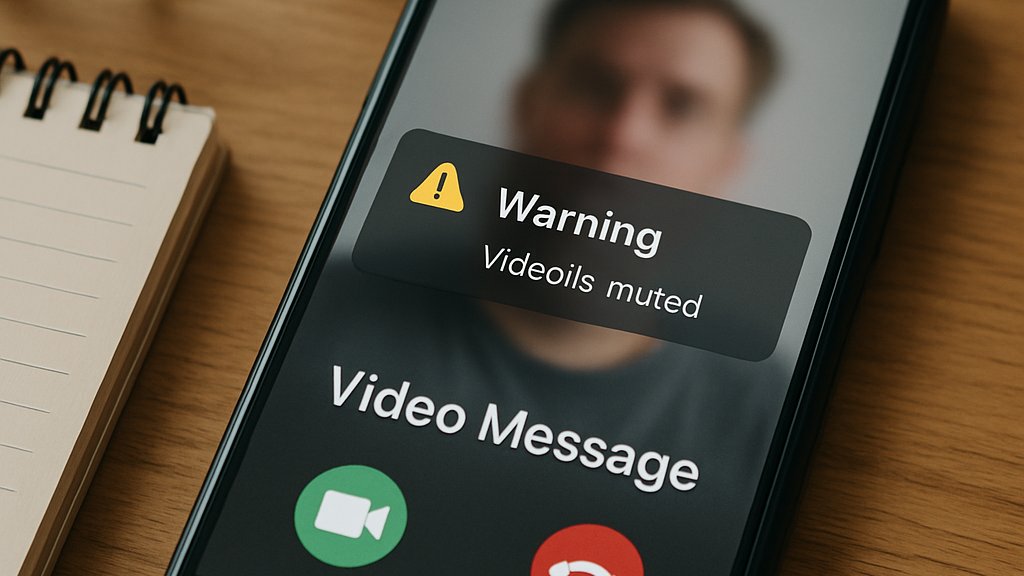
Stakeholders fear the sophisticated impersonation scams could erode trust in every central bank communication. Therefore, regulators, platforms, and enterprises must reassess exposure immediately. This article examines the actors, mechanics, losses, and defences shaping the next phase of fraud. It also outlines actionable steps for security leaders.
BoE Issues Stark Warning
On 9 June 2026, the United Kingdom's central bank sounded an unusual public alarm. Governor Andrew Bailey stated that fake ads abusing his image are proliferating online. Meanwhile, he urged citizens to report any suspicious content directly to platforms and authorities. The Bank rarely comments on social content, yet the scale demanded intervention.
Moreover, Farage's unexpected cameo heightened news coverage, amplifying audience reach for the malicious clips. Experts link the videos to a wider impersonation scams network already mapped by Bitdefender Labs. Consequently, corporate security teams received fresh board-level questions overnight. The Bank's statement crystallised the seriousness of Deepfake Fraud Risks for regulated markets.
The BoE warning illustrates how rapidly synthetic media can destabilise trusted voices. However, the incident represents only one node in a sprawling threat ecosystem. Next, we examine the global campaign scale.
Global Scam Campaign Scale
Bitdefender tracked 310 coordinated malvertising campaigns between February and March 2026. Additionally, researchers logged about 26,000 ad sightings across at least 25 countries. In contrast, traditional phishing waves rarely exceed a few thousand postings. Approximately 5% of that traffic targeted the United Kingdom, equating to 12 distinct campaigns.
Consequently, British regulators face a persistent cross-border enforcement puzzle. Furthermore, the content pivoted toward deposit-focused investment fraud funnels that masqueraded as regulated brokerages. Each funnel reused cloned landing pages, fake ads copy, and celebrity endorsements for rapid localisation. Moreover, automated moderation-evasion techniques allowed pages to reappear within hours of takedown.
Bitdefender calls this infrastructure a franchise model offering templates, hosting, and payment processing. The Farage/Bailey clips appear as the latest British-flavoured variation of the same blueprint. These statistics reveal Deepfake Fraud Risks operating at global scale. Therefore, defenders must understand the technical mechanics driving that scale. Our next section unpacks those mechanics.
Deepfake Attack Mechanics Unpacked
Synthetic media tools now generate convincing voice and video in minutes. Moreover, open-source face-swap models require minimal training data, lowering entry barriers. Fraud crews script sensational scenes that trigger emotional reactions and impulsive clicks. Subsequently, malvertising slots inject the clips into high-trust news feeds.
Clicking redirects victims through multiple cloaked domains before landing on polished investment fraud portals. Meanwhile, automated chatbots pretend to be regulated advisers, reinforcing credibility. Such impersonation scams abuse cognitive shortcuts built on authority bias. Deep learning also powers real-time voice cloning for follow-up calls, enabling vishing.
Consequently, scammers orchestrate multichannel pressure tactics that accelerate deposit conversions. INTERPOL warns that AI enabled fraud is 4.5 times more profitable than legacy methods. That margin bankrolls rapid reinvestment into better media quality. Attackers exploit cheap synthetic media to scale Deepfake Fraud Risks. Nevertheless, financial damage, not novelty, determines board attention. Let us assess the mounting economic toll.
Economic Toll Now Mounts
INTERPOL’s 2026 assessment estimated financial fraud losses of USD 442 billion for 2025. Furthermore, AI-enabled operations delivered disproportionate returns compared with manual schemes. Medius surveyed finance professionals and found 53% were targeted by synthetic media ploys. Alarmingly, 43% admitted they had fallen victim, confirming operational gaps inside enterprises.
Deepfake-driven investment fraud represents a fast-growing subset of total losses. Moreover, central bank reputational harm compounds direct financial loss. Once trust erodes, policy announcements face skepticism, raising market volatility. Analysts attribute a rising share of fraud to increasingly persuasive synthetic media.
- USD 442B: Global fraud losses in 2025 (INTERPOL).
- 26,000: Scam ad sightings logged by Bitdefender.
- 53%: Finance teams targeted by deepfakes (Medius).
- 4.5×: Profitability multiplier for AI fraud (INTERPOL).
The numbers underscore widening financial and reputational exposure. However, innovative defences are gaining traction. The following section reviews those defences.
Defensive Measures Rapidly Advancing
Platform policies now demand stricter ad verification and provenance disclosures. Additionally, Meta claims to watermark AI content and block recurring advertiser fingerprints. Ofcom’s Online Safety Act will introduce heavy fines for repeated negligence starting 2027. Meanwhile, device-level safeguards like Google’s RCS Fake Call Detection verify caller authenticity through cryptographic handshakes.
Consequently, vishing based on voice clones faces higher friction on modern Android devices. Enterprises are adopting media hashing, watermark detection, and tamper-evident storage for executive communications. Professionals can strengthen personal knowledge with the AI Security Level 1 certification. Moreover, tabletop exercises using synthetic simulations sharpen incident response playbooks.
However, fragmented toolchains risk leaving blind spots between advertisement intake and call centre verification. Emerging controls show promise but require coordinated deployment against Deepfake Fraud Risks. Therefore, regulators are intensifying oversight to enforce alignment. Next, we examine that regulatory momentum.
Regulatory Actions Now Accelerate
The United Kingdom's central bank collaborates with the Financial Conduct Authority on prompt ad takedowns. Moreover, Ofcom guidance urges platforms to pre-screen political deepfakes during election cycles. Across borders, INTERPOL coordinates asset-freeze requests and intelligence feeds to member agencies. Subsequently, Europol’s Innovation Lab is testing watermark standards for AI content exchange.
In contrast, some privacy advocates warn that aggressive moderation could encroach on lawful satire. Nevertheless, early incident data indicates faster removal reduces click-through rates by 70%. Consequently, lawmakers believe stricter verification will materially reduce Deepfake Fraud Risks volumes.
Policy initiatives are moving from discussion to enforcement roadmaps. However, compliance alone will not shield every organisation. Businesses must adopt their own layered defences.
Practical Steps For Businesses
Security chiefs should begin with an executive impersonation risk assessment covering all communication channels. Furthermore, marketing teams must monitor paid placements for unauthorised brand usage daily. Implementing anomaly detection on referral traffic can quickly expose fake ads rerouting schemes. Meanwhile, finance departments should require out-of-band confirmation for any new investment instructions.
Organisations also benefit from staff awareness sessions showing real deepfake examples. Moreover, include supply-chain partners in simulations, because impersonation scams exploit vendor relationships. Finally, establish a standing contact list for rapid escalation to the central bank, regulators, and platforms.
These measures reduce initial exposure windows and strengthen detection of Deepfake Fraud Risks. Consequently, firms can complement evolving public-sector protections. We now conclude with key reflections.
Deepfake Fraud Risks have escalated from isolated curiosities to systemic financial threats. The Bank of England warning, Bitdefender telemetry, and INTERPOL metrics collectively chart that evolution. Moreover, media quality keeps improving, shrinking response times for defenders. However, multi-layered controls, strong verification, and continuous training can blunt attacker advantages.
Regulatory frameworks are tightening, yet private-sector vigilance remains indispensable. Therefore, executives should act now and adopt the practices outlined above to counter Deepfake Fraud Risks. Validating skills through recognised programs will close remaining knowledge gaps. Consider earning the linked certification to upgrade your incident readiness today.
Disclaimer: Some content may be AI-generated or assisted and is provided ‘as is’ for informational purposes only, without warranties of accuracy or completeness, and does not imply endorsement or affiliation.


