

AI CERTS
2 hours ago
Automated Compliance Workflow for SFC Fund Governance
The approach links rule libraries, data feeds and approval checkpoints into one bank-grade engine. In contrast, manual spreadsheets cannot keep pace with daily supervisory updates or investor disclosure requests. Therefore, industry executives are examining automated tools before the SFC issues final Unit Trust Code conclusions. Meanwhile, depositaries licensed under RA13 must already provide pre-trade compliance attestations and exception reports.
These parallel pressures create a decisive moment for technology adoption across authorized funds. Nevertheless, selecting the right architecture requires clear knowledge of the reform timeline, key risk themes and expected enforcement priorities.
Key Regulatory Reform Drivers
The present reform cycle spans 2024 to 2026 and covers four major pillars. Firstly, the SFC proposed Unit Trust Code amendments on 22 October 2025 that add the optional VaR risk metric. Secondly, the RA13 licensing regime for depositaries became effective on 2 October 2024. Moreover, streamlined UCITS post-authorisation measures started on 28 November 2025. Additionally, updated guidance on virtual asset exposure arrived on 7 April 2025.
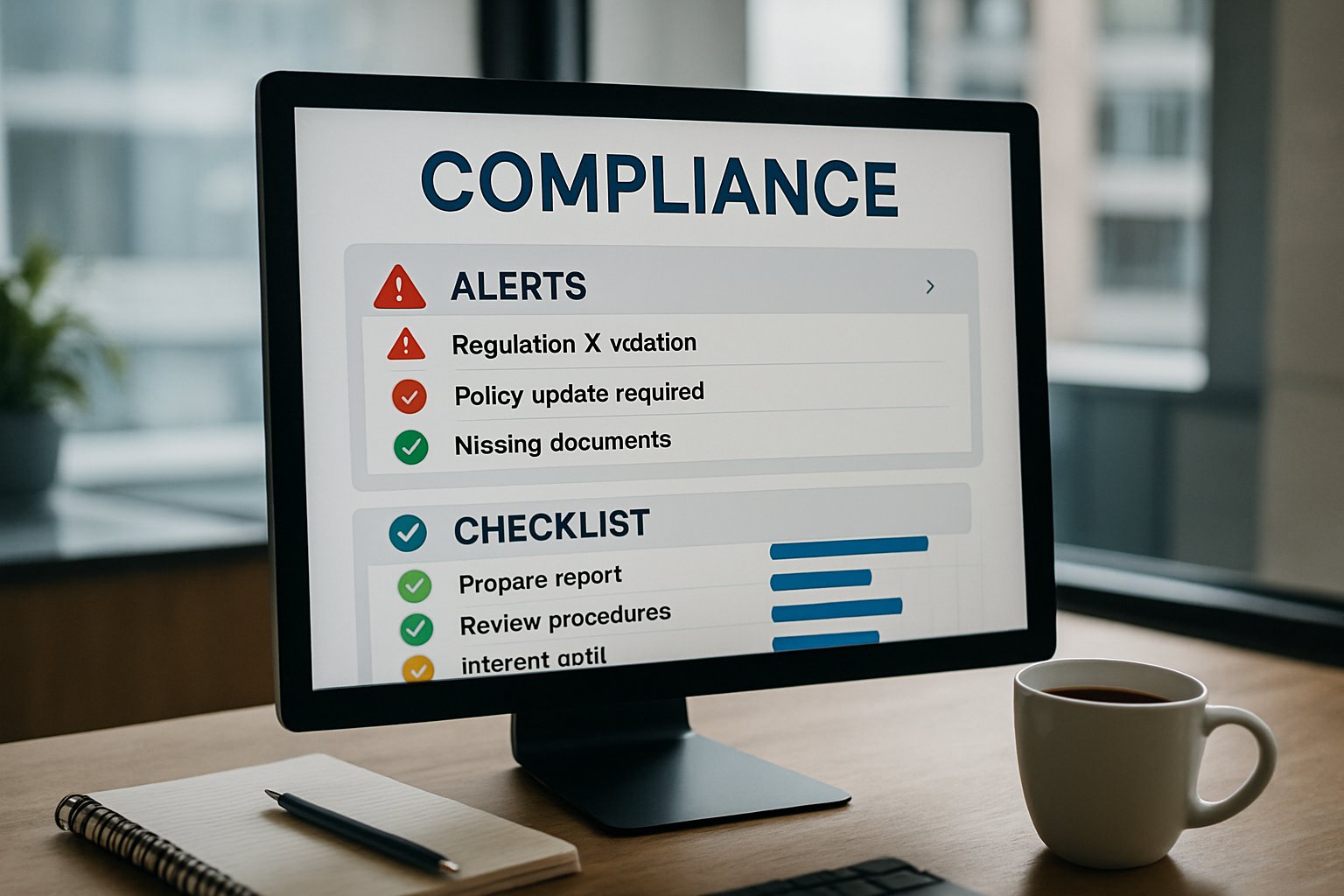
These initiatives aim to strengthen governance while aligning Hong Kong with overseas standards. Consequently, managers of authorized funds must review liquidity buffers, derivative limits and valuation controls. Furthermore, depositaries will demonstrate institutional-grade oversight through new reporting templates.
Meanwhile, the SFC’s Enforcement Reporter warns that inadequate pre-trade compliance checks will attract swift action. Therefore, technology solutions capable of real-time rule mapping have become strategic priorities.
These reforms elevate governance expectations across the product lifecycle. However, depositaries shoulder the heaviest immediate load, as the next section explains.
Depositaries Face RA13 Oversight
The RA13 regime created a new regulated activity for trustees and custodians of authorized funds. Moreover, 19 depositaries and over 300 staff entered licensing on 2 October 2024. Consequently, each licensee must maintain bank-grade segregation, cash monitoring, and conflict controls.
Additionally, depositaries must oversee daily NAV calculations and certify pre-trade compliance before orders execute. An Automated Compliance Workflow can capture trade instructions, apply exposure thresholds, and issue alerts within seconds. In contrast, manual sampling risks missed breaches and late investor notifications.
Nevertheless, technology alone is insufficient. Therefore, boards should formalize governance frameworks that document escalation routes, exception tolerances, and monthly reporting to senior management.
Depositaries now operate under direct, data-driven scrutiny. Subsequently, liquidity risk management rules will impose parallel pressures on fund managers.
Emerging Liquidity Risk Rules
The Unit Trust Code consultation proposes tougher liquidity stress tests for retail vehicles, especially those investing in private credit. Moreover, the SFC may allow higher illiquid asset buckets case-by-case, provided governance safeguards hold.
Consequently, managers must match redemption terms with asset sale horizons and maintain resilient contingency funding arrangements. Furthermore, VaR adoption demands robust model governance and independent validation routines.
A dynamic Automated Compliance Workflow can incorporate stress-testing outputs into pre-trade compliance engines. Therefore, portfolio rebalancing decisions account for both derivative exposure and real-time liquidity headroom.
Industry groups welcomed the flexibility but requested clearer calibration tables. Nevertheless, final thresholds remain pending until the SFC publishes consultation conclusions.
Liquidity proposals could reshape product structuring and daily dealing practices. Meanwhile, virtual asset guidance introduces fresh operational dimensions.
Virtual Asset Fund Guidance
The SFC’s revised circular defines a virtual asset fund as holding over 10% net asset value in tokens. Additionally, funds may stake assets through licensed exchanges under capped limits. Consequently, offer documents must describe technology risks, counterparty selection, and governance over smart contracts.
Bank-grade custody solutions remain scarce, driving partnerships with global service providers. Moreover, pre-trade compliance checks must verify counterparty licenses before any staking order routes through an Automated Compliance Workflow.
The circular also imposes a 10% daily liquidity cap to manage redemption shocks. Therefore, managers need streamlined workflow dashboards that track aggregated token exposures and available liquidity buffers.
Nevertheless, legal uncertainty around future virtual asset custody rules keeps some managers cautious. In contrast, early adopters view rapid market share gains as compensation for the extra controls.
Virtual asset oversight blends innovation with strict safeguards. Subsequently, cross-border managers can find relief in UCITS streamlining measures.
UCITS Streamlining And Opportunities
The November 2025 circular removed certain prior-approval steps for recognised UCITS domiciled in selected jurisdictions. Moreover, changes to depositaries or investment delegates can now proceed under home-state supervision with simple SFC filings. Consequently, administrative cycles shorten and costs fall.
Additionally, the circular confirms that a bank-grade reconciliation trail must remain available for SFC post-vetting. A well-designed Automated Compliance Workflow can auto-archive filings, board minutes, and regulator correspondence, ensuring audit readiness.
Furthermore, managers leveraging the streamlined workflow gain speed to market for thematic products. However, they still need pre-trade compliance evidence for derivative and liquidity limits when marketing in Hong Kong.
These operational tweaks illustrate how international alignment supports product innovation. Nevertheless, robust governance remains the ultimate supervisory metric.
UCITS measures simplify cross-border maintenance tasks. Therefore, the next priority lies in embedding consistent automation across the full control stack.
Implementing Automated Compliance Workflow
Successful implementation starts with mapping every SFC rule to data sources and control owners. Moreover, the Automated Compliance Workflow should integrate trade order management, risk engines, and document repositories using open APIs.
Consequently, any threshold breach triggers immediate alerts to compliance and portfolio teams. Furthermore, dashboards must display authorized funds coverage status, unresolved exceptions, and pre-trade compliance attestations.
- Rule digitisation with bank-grade encryption and version control
- Real-time pre-trade compliance screening across asset classes
- Streamlined workflow reporting to boards and regulators
Additionally, professionals can enhance compliance skills through the AI+ Quantum Compliance™ certification. The syllabus covers Automated Compliance Workflow design, data quality, and control testing.
Meanwhile, proof-of-concept pilots should run for four weeks, capturing trades, cash flows, and valuation events. Subsequently, findings inform phased rollouts that minimize disruption.
Therefore, a mature Automated Compliance Workflow can serve as a single source of truth for internal and external auditors. Moreover, the same infrastructure supports future licence applications, including VA custody extensions.
Nevertheless, firms must document model validation and access rights within the Automated Compliance Workflow to satisfy SFC inspectors.
Automation embeds compliance into daily operations and frees resources for market research. Consequently, the final section outlines next actions for all stakeholders.
Actionable Industry Next Steps
Firstly, monitor the SFC website for Unit Trust Code consultation conclusions and implementation timetables. Secondly, update liquidity, valuation, and governance policies using draft proposals as the baseline. Moreover, initiate vendor assessments that benchmark each Automated Compliance Workflow against stringent security standards.
Consequently, depositaries should finalize RA13 periodic return templates and embed them within the existing streamlined workflow tools. Nevertheless, fund boards must schedule refresher training on liquidity stress testing and virtual asset caps.
Finally, firms should test the Automated Compliance Workflow disaster-recovery site every quarter. Therefore, auditors can validate resilience before the next SFC thematic inspection.
These steps convert regulatory uncertainty into structured project plans. Subsequently, a disciplined finish sets the stage for long-term competitiveness.
Conclusion
Hong Kong’s fund landscape is evolving rapidly, yet the core objective remains investor protection. Moreover, the reforms spotlight liquidity, valuation, custody and disclosure discipline. Consequently, firms that embed an Automated Compliance Workflow gain real-time visibility, reduced manual risk and faster product launches. Additionally, trained staff backed by the AI+ Quantum Compliance™ certification can operate these platforms confidently. Therefore, embrace automation now, review policies regularly, and stay engaged with the SFC consultation process. Explore advanced solutions today and turn regulation into a strategic edge.
Disclaimer: Some content may be AI-generated or assisted and is provided ‘as is’ for informational purposes only, without warranties of accuracy or completeness, and does not imply endorsement or affiliation.


