

AI CERTS
1 hour ago
Android’s New Shield Against Voice Clone Fraud
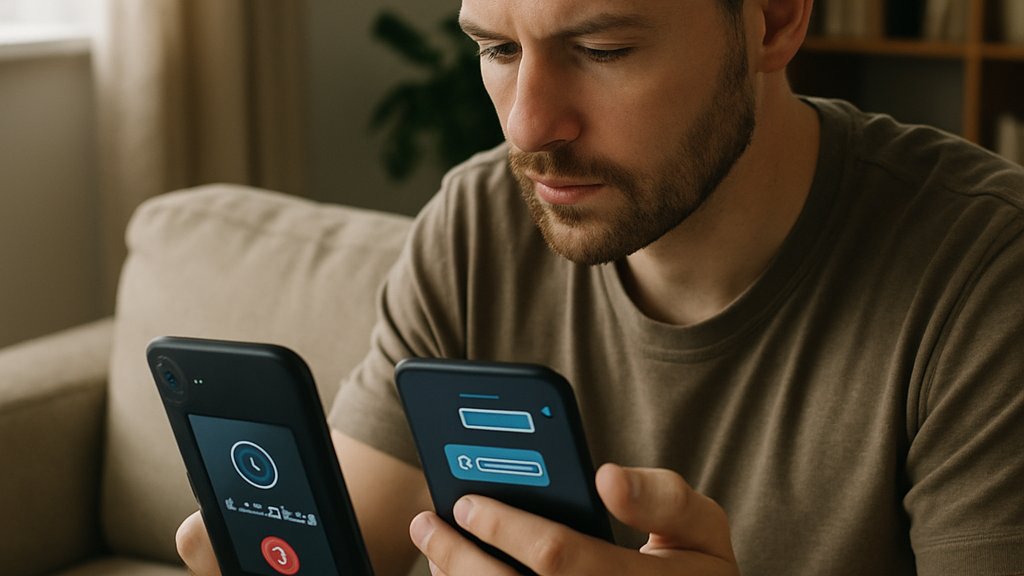
This article unpacks the technology, benefits, limits, and broader fraud detection landscape shaping the rollout.
Deepfake Threat Rapidly Escalates
Financial losses from impersonation calls keep climbing at breakneck speed.
Moreover, the FTC logged almost $3 billion lost to imposters in 2024 alone.
INTERPOL now warns that AI tools make fraud 4.5 times more profitable for international syndicates.
Spoofing caller IDs and cloning loved ones' voices give attackers unprecedented reach and realism.
- Google blocks or flags over 10 billion suspicious calls and messages every month.
- INTERPOL pegs annual global fraud losses in the hundreds of billions.
- FTC data shows voice-based scams rising faster than any other phone threat category.
Therefore, stopping Voice Clone Fraud demands verification stronger than human hearing or simple caller ID.
These figures paint a stark picture of escalating risk.
However, Google believes technical countermeasures can shift momentum.
The next section reviews the company's newly unveiled approach.
Google Technical Countermove Unveiled
The June update introduces Fake Call Detection exclusively through the Phone by Google dialer.
Additionally, the feature will reach Pixel models first, then broader Android partners like Samsung.
At its core, an encrypted RCS handshake authenticates each incoming call before the ringtone even finishes.
If no confirmation arrives, on-device Gemini instantly spins up fraud detection heuristics.
Consequently, a red banner warns the callee that the voice may hide Voice Clone Fraud.
Google says no audio ever leaves the device, preserving privacy while sustaining speed.
The handshake aligns cryptography, network standards, and AI for real-time protection.
Understanding the exact verification steps clarifies why the design matters.
Handshake Verification Process Explained
When Alice calls Bob, both devices silently exchange RCS messages labeled as a digital handshake.
Meanwhile, the Phone by Google app checks whether Bob's contact card matches the caller's encrypted token.
If Bob's phone queries Alice's device and receives "I’m not calling," spoofing is confirmed.
Subsequently, Gemini analyzes call metadata for further Voice Clone Fraud patterns before advice appears.
All computation remains local, so regulators gain an audit trail without added cloud exposure.
This multilayer flow minimizes latency while boosting authenticity confidence.
Still, results matter most to everyday users, which leads to the early evidence.
Benefits And Early Evidence
Early testers praise the speed and clarity of warnings.
One user told the Google security blog, "The banner made me pause and hang up immediately."
Furthermore, targeting call origin rather than audio fingerprints sidesteps future deepfake advances.
- In-device processing guards sensitive voice data from cloud leaks.
- Encrypted RCS works across carriers supporting the standard.
- Architecture could be adopted by other Android manufacturers over time.
Moreover, combining heuristics with handshake results enhances fraud detection precision.
Thus, the system already disrupts certain impersonation calls and narrows attack windows.
Initial signals look promising, yet success depends on broad coverage.
The following section explores what still hinders deployment.
Limitations And Adoption Hurdles
The feature activates only when both parties run Phone by Google on Android 12 or later.
Consequently, iPhone owners remain unprotected, and many global carriers still disable RCS.
Spoofing tactics like call forwarding or compromised devices might also evade handshake checks.
No independent lab has released Voice Clone Fraud false-positive rates or latency benchmarks yet.
Nevertheless, Google promises transparency reports once meaningful sample sizes accrue.
Adoption gaps could limit near-term reach.
Industry regulation will strongly influence how quickly stakeholders close those gaps.
Industry And Regulatory Context
Regulators increasingly insist on proactive fraud detection frameworks for telecom operators.
The FTC's multibillion-dollar loss figures fuel legislative urgency.
In contrast, INTERPOL stresses cross-border cooperation to disrupt impersonation calls before funds leave jurisdictions.
Carriers eye Android improvements as evidence that endpoint verification beats network-only defenses.
Meanwhile, standards bodies debate whether to standardize the handshake beyond Phone by Google ecosystems.
Therefore, ecosystem scale will decide the ultimate impact on Voice Clone Fraud.
Policy momentum seems aligned with technical innovation.
Security leaders should prepare teams and processes accordingly.
Preparing For Secure Future
Enterprises must update awareness training to include real-time handset warnings.
Additionally, security playbooks should require second-channel verification whenever calls request money or credentials.
Professionals can validate skills via the AI Security Level 1 certification.
Consequently, teams learn to recognize Voice Clone Fraud alerts and escalate incidents quickly.
Moreover, CISOs should monitor handshake standardization progress and lobby carriers for RCS enablement.
Preparation merges technical upgrades with human vigilance.
A brief wrap-up follows to highlight essential insights.
Voice deepfakes no longer sit at the fringe of cybercrime; they dominate phone-based schemes.
Google's encrypted handshake and Gemini analysis offer a timely bulwark against Voice Clone Fraud.
However, the defense will reach full potential only when carriers, OEMs, and users embrace RCS verification.
Meanwhile, enterprises that update playbooks, train staff, and pursue certifications gain resilience before attackers adapt.
Therefore, act now: enable Fake Call Detection, share lessons, and remain wary of any hint of Voice Clone Fraud.
Disclaimer: Some content may be AI-generated or assisted and is provided ‘as is’ for informational purposes only, without warranties of accuracy or completeness, and does not imply endorsement or affiliation.


