

AI CERTS
1 hour ago
AI Education Concerns Shape Integrity, Policy, and Hiring
Meanwhile, students fear being mislabelled cheats by imperfect detection algorithms. The tension fuels serious AI Education Concerns that require evidence, nuance, and collaborative governance. Moreover, employers warn that incoming graduates may lack authentic, demonstrable skills. This article examines new data, stakeholder perspectives, and actionable strategies. It aims to guide administrators, educators, and corporate trainers through the evolving landscape. Subsequently, each section offers concise takeaways and forward-looking recommendations.
Rising Student AI Anxiety
Pervasive chatbot use has not silenced student unease. In the HEPI 2026 poll, 75% worried about false cheating allegations. Additionally, 60% reported stress while mixing AI with original writing. Students describe sleepless nights awaiting Turnitin flags that may appear unpredictably. In contrast, many still view AI as indispensable for idea generation and structure. The Pew teen study echoes similar fear, with 59% seeing routine AI cheating. Nevertheless, most respondents believe transparent classroom policy can lower risk.
Such findings deepen AI Education Concerns at both undergraduate and pre-college levels. These insights reveal a climate of pressure and paradox. Students trust AI for convenience yet dread algorithmic misjudgment. Stress grows whenever support or policy remains unclear. Therefore, exploring faculty reactions is the next logical step.
Faculty Integrity Alarm Grows
Faculty surveys register even sharper alarm about generative tools in assignments. The AAC&U and Elon study found 78% believe cheating has increased this year. Moreover, 95% predict students will over-rely on AI and neglect deep research. Consequently, some departments propose tighter classroom policy and harsher penalties. However, experts warn that punitive reflexes may amplify AI Education Concerns for honest writers. Lee Rainie argues that values, norms, and investment in literacy must precede stricter rules. Meanwhile, only 48% of students feel staff build their AI skills effectively. Survey authors argue that higher education must pivot from punishment to capability building.
That mismatch widens competence gaps and intensifies AI Education Concerns voiced by both sides. Deloitte academic advisers suggest replacing generic essays with reflective portfolios and live discussions. Faculty resistance remains strong, yet innovative assessment pilots are gaining traction. Faculty confidence in traditional measures is fading quickly. Many believe cultural change is overdue. Next, the effectiveness of detection technology deserves scrutiny.
Detection Tools Under Scrutiny
Turnitin now flags roughly 15% of essays as mostly AI-generated, according to platform data. Nevertheless, the vendor cautions against using its indicator as sole evidence. False positives erode trust and may violate due process. Furthermore, accuracy drops markedly on hybrid human-AI texts. Researchers in higher education call for open benchmarks and transparent audits. Popular independent labs report variability across detectors exceeding 20 percentage points.
Consequently, universities rethink blanket surveillance and pivot toward authentic assessment. Persistent uncertainty feeds AI Education Concerns even when no misconduct occurs. These reliability questions intersect directly with employer trust. Detection tools offer signals, not verdicts. Overreliance may punish diligent students unfairly. Therefore, external workplace expectations warrant closer examination.
Employer Trust At Stake
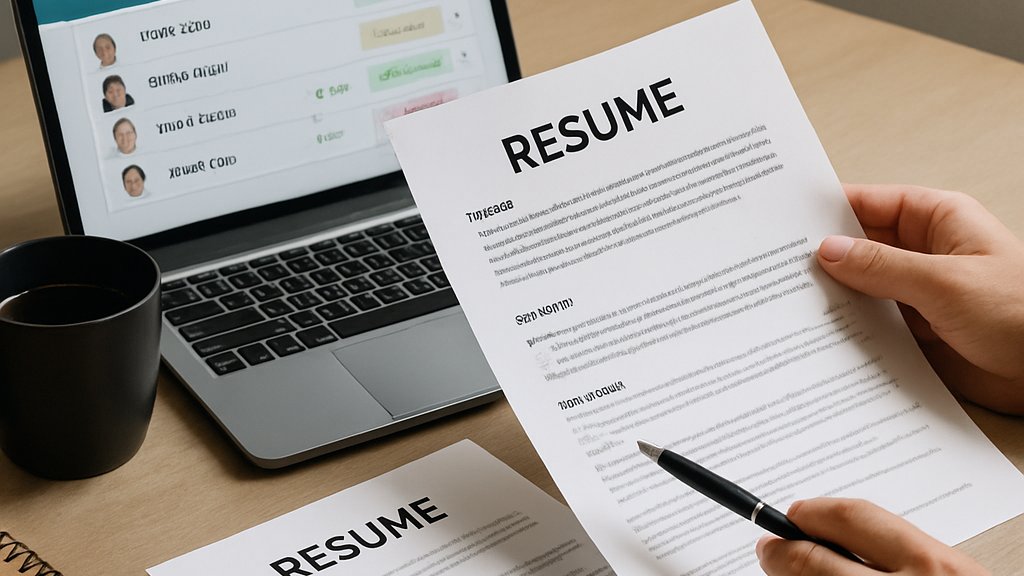
Recruiters increasingly test candidates through practical tasks rather than transcripts. Times Higher Education reporting shows skepticism toward inflated skill claims. Moreover, 63% of faculty say spring 2025 graduates lacked GenAI fluency needed at work. Employers frame the issue as workplace readiness, not mere integrity. In contrast, many career centers still emphasize traditional resumes.
- Lack of verified project portfolios
- Fear that unchecked AI masks weak critical thinking
- Uncertainty around classroom policy consistency across institutions
Deloitte talent analysts advise showing concrete deliverables to restore credibility. Additionally, some firms request live coding or writing during interviews to validate competence. Such measures aim to buffer reputational harm from AI Education Concerns already reaching boardrooms. Graduates watching automation reshape entry roles feel heightened uncertainty. Employer skepticism places proof burdens on new hires. Authentic demonstrations increasingly outweigh printed grades. Subsequently, policy reform emerges as an institutional priority.
Policy Shifts And Design
Universities now update honor codes and assessment design simultaneously. Jisc guidance promotes open disclosure of AI use rather than prohibition. Furthermore, some campuses move toward oral defenses, iterative drafts, and reflective journals. These formats reduce temptation and align with Deloitte's future-of-work analyses. Clear classroom policy statements are distributed during orientation and syllabi. Consequently, incident investigations begin with usage declarations, not detector scores.
Such reforms address AI Education Concerns while preserving innovation. However, policy alone cannot close the capability gap. Assessment redesign lowers cheating incentives and false allegations. Transparent rules also protect faculty from inconsistent decisions. Next, robust literacy initiatives must empower every learner.
Building Real AI Literacy
Effective AI literacy balances technical skills, ethics, and reflective judgment. HEPI data reveal 68% of students see AI competence as essential for success. Moreover, fewer than half believe faculty nurture those abilities. Institutions therefore pilot mandatory workshops and micro-credentials during first year. Professionals can boost expertise via the AI Educator™ certification. Additionally, course modules highlight critical prompting, detector limits, and citation protocols. Industry speakers explain workplace readiness expectations and show verified portfolio samples. Graduates completing such programs report stronger confidence and interview performance.
These initiatives directly tackle AI Education Concerns while raising baseline competence. Nevertheless, sustained execution requires strategic coordination. Targeted training links integrity with employability. Stakeholders now seek integrated, long-term blueprints. Therefore, cross-sector collaboration forms the final piece.
Strategic Action Plans Ahead
Cross-sector groups are drafting joint frameworks to align academics and recruiters. Universities UK, employer associations, and student unions participate equally. Moreover, policy labs evaluate metrics that track both learning depth and workplace readiness. Deloitte facilitators provide scenario planning and economic modelling support. In contrast, ad-hoc approaches risk duplicative efforts and messaging gaps. Consequently, centralized dashboards will monitor cheating incidents, detection false positives, and remediation speeds.
Regular reports will surface persistent AI Education Concerns and celebrate progress milestones. Graduates and faculty representatives will brief governing boards every semester. Such governance loops promise rapid adjustment when technology advances again. Structured collaboration converts anxiety into measurable action. Shared data unlocks mutual accountability. Finally, cumulative insights inform the road ahead.
Generative AI is entrenched in learning, hiring, and institutional governance. However, unchecked reliance can erode credibility and heighten stress. Persistent AI Education Concerns demand balanced, data-driven responses. Students, faculty, employers, and policymakers each hold critical pieces of the solution. Evidence shows that transparent rules, redesigned assessment, and robust literacy blunt cheating incentives. Moreover, external validators like live tasks and portfolios rebuild recruiter confidence.
Certifications, such as the linked AI Educator™, accelerate skill development for instructors and trainers. Consequently, collaborative frameworks now matter more than unilateral bans or detectors alone. Explore the resources provided and lead your campus toward responsible, future-ready AI integration today.
Disclaimer: Some content may be AI-generated or assisted and is provided ‘as is’ for informational purposes only, without warranties of accuracy or completeness, and does not imply endorsement or affiliation.


