

AI CERTS
1 hour ago
OpenAI Pentagon Deal Sparks AI Safety Policy Showdown
Critics warned internal safety measures lacked external enforcement. At the same time, the White House trimmed its forthcoming executive order into a voluntary framework.
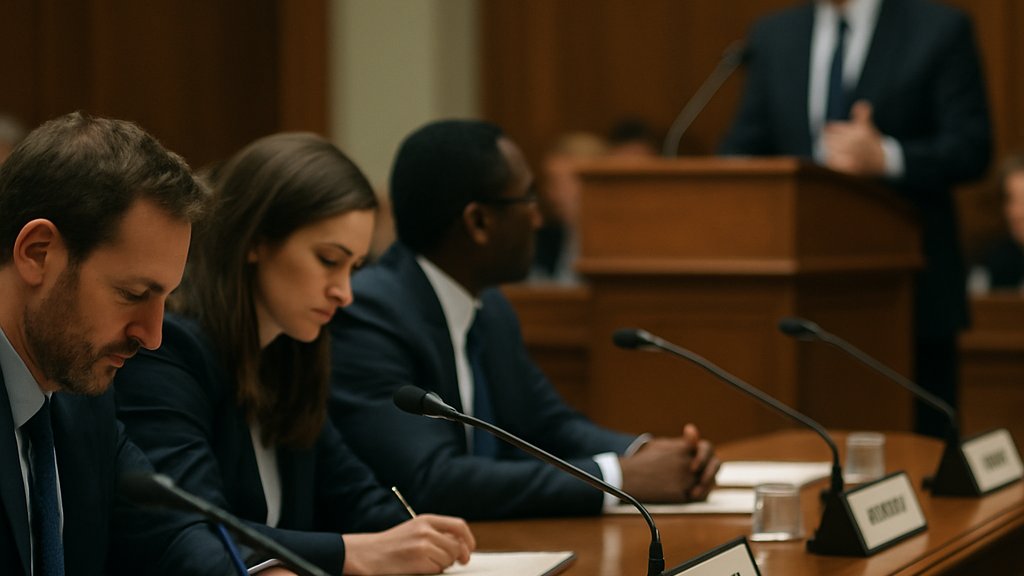
Therefore, the broader AI Safety Policy conversation moved from academic circles to headline news. This article unpacks the cascading events, competing incentives, and emerging guidelines shaping the federal debate. Moreover, it explains why voluntary self-regulation may not satisfy lawmakers for long.
AI Safety Policy Origins
Historical tension around dual-use research long preceded this year's flashpoint. In contrast, frontier labs often framed voluntary commitments as sufficient. Yet policy proposals dating back to 2023 called for mandatory disclosures before high-risk launches. Therefore, the latest executive order reflects incremental evolution rather than sudden reform.
Observers note that many earlier drafts referenced binding ‘safety rules’ yet vanished in the final text. Moreover, interagency memos from Washington stressed the need for a standard definition of frontier models. That definition remains contested despite CAISI having evaluated more than forty systems already. Consequently, companies still operate amid fragmented guidance and shifting incentives.
The growing patchwork underpins the modern AI Safety Policy debate. Past debates supply valuable context. However, shifting drafts reveal unsettled regulatory aims. Against this background, OpenAI's contract details became a public litmus test.
Context Behind Policy Clash
OpenAI surprised many insiders by releasing a contract summary instead of hiding behind classification. Furthermore, executives highlighted three red lines limiting surveillance, autonomous weapons, and high-stakes automated decisions. Nevertheless, several legal scholars warned that contract termination clauses appeared ambiguous. In contrast, Pentagon officials emphasised their ability to audit compliance through classified annexes.
Anthropic assessed those same annexes and refused to budge. Subsequently, the Department of War labelled the company a supply-chain risk. That designation can freeze a vendor out of every federal contract overnight. Therefore, the economic stakes for alignment with safety rules became stark.
Both camps cited safety priorities. Yet contrasting trust models triggered confrontation. The next section dissects OpenAI's technical safeguards.
OpenAI Deal Mechanics Unpacked
The agreement limits deployment to cloud instances managed by OpenAI engineers. Additionally, the company retains control of the monitoring stack, incident response playbooks, and update cadence. Critics argue that such internal safety rules may buckle under political pressure. However, supporters counter that real-time patching remains impossible with on-premise edge hardware.
Key clauses forbid model outputs that direct autonomous lethal systems. Meanwhile, a human-in-the-loop checkpoint applies before any high-stakes operational use. Consequently, the Pentagon receives flexibility for intelligence support but not for weapons control. The document cites CAISI pre-release tests as complementary assurance.
Contractual guardrails rely on vendor control. Nevertheless, that reliance raises enforceability doubts. Anthropic's dissent underscores those doubts.
Anthropic's Defiant Safety Stance
Anthropic leadership insisted that certain surveillance scenarios remained ethically unacceptable, regardless of oversight promises. Moreover, the firm believes federal debate must include independent civil society observers. Therefore, executives walked away from the Pentagon table. In response, Washington officials invoked the supply-chain risk mechanism within a fortnight.
Company lawyers prepared to challenge that label in court. Meanwhile, venture investors weighed reputational gains against lost government revenue. In contrast, some ethicists hailed the stand as proof that voluntary model regulation lacks teeth. OpenAI, by comparison, gained immediate classified market access.
Refusal proved costly yet principled. However, it amplified scrutiny of voluntary deals. Government attention soon shifted to broader evaluation programs.
Government's Voluntary Review Framework
CAISI, housed within Commerce, now runs structured testing on unreleased frontier systems. Additionally, Google, Microsoft, and xAI joined the scheme in May. Subsequently, officials reported conducting more than forty evaluations to date. The new executive order grants a 30-day window for that process.
Key numbers illustrate the scale:
- 40+ model evaluations completed
- 30-day voluntary review window
- 5 major labs under agreements
- 3 critical risk domains: cyber, bio, infrastructure
Consequently, Washington positions the framework as a cooperative defence layer. Nevertheless, participation remains voluntary, and metrics stay largely classified. Experts fear that secrecy limits public confidence in any AI Safety Policy outcome.
The voluntary lane offers speed. Yet opacity challenges lasting legitimacy. Implications for wider AI Safety Policy and model regulation follow next.
Implications For Model Regulation
Corporate strategies now hinge on balancing market gains against contractual concessions. Moreover, different safety rules across agencies could splinter compliance costs. Consequently, calls for harmonised model regulation echo louder in trade associations. Industry negotiators expect congressional hearings after the election cycle.
Analysts outline three near-term scenarios:
- Statutory mandate replaces voluntary reviews
- Enhanced transparency without new laws
- State capitals craft divergent codes
In contrast, some think common tax incentives could steer adoption of agreed baselines. Therefore, final AI Safety Policy terms may emerge through fiscal negotiations, not security rhetoric.
Regulatory uncertainty pressures budgets. However, aligned incentives could still crystallise consensus. Stakeholders therefore look to upcoming strategy meetings.
Conclusion And Next Steps
Spring negotiations exposed competing visions for trustworthy innovation. Nevertheless, every party recognises that runaway risk threatens national and commercial interests alike. Voluntary reviews, contractual safety rules, and public scrutiny will continue shaping the federal debate. Consequently, sustained dialogue remains essential to a balanced AI Safety Policy.
Professionals can boost expertise through the AI Policy Maker™ certification. Moreover, ongoing analysis from this publication will monitor legislative milestones. Stay informed, compare frameworks, and prepare to shape tomorrow's resilient systems. Finally, share this briefing to expand the AI Safety Policy conversation across your network.
Disclaimer: Some content may be AI-generated or assisted and is provided ‘as is’ for informational purposes only, without warranties of accuracy or completeness, and does not imply endorsement or affiliation.


