

AI CERTS
5 months ago
Utah’s Energy Bottleneck Slows Solar Power for AI Data Centers
Critics argue the approach locks the state into fossil reliance during a global clean-energy pivot. Meanwhile, utilities defend the measure as essential for reliability and fair cost allocation. This report explores how the framework creates an Energy Bottleneck, the stakes for Gigawatt projects, and potential solutions. In contrast, other states court renewables to lure hyperscale investments. Therefore, Utah’s choice will ripple through national Political debates on climate, jobs, and grid resilience. Stakeholders must grasp the trade-offs before the rulemaking window closes in early 2026.
AI Demand Outpaces Supply
Global AI training schedules now require power on par with small nations. U.S. Data Centers consumed roughly 176 TWh in 2023, according to the Department of Energy. Moreover, federal models project demand could triple by 2030 if current GPU deployments continue. IEA forecasts show that data centers may reach twelve percent of national load within five years.
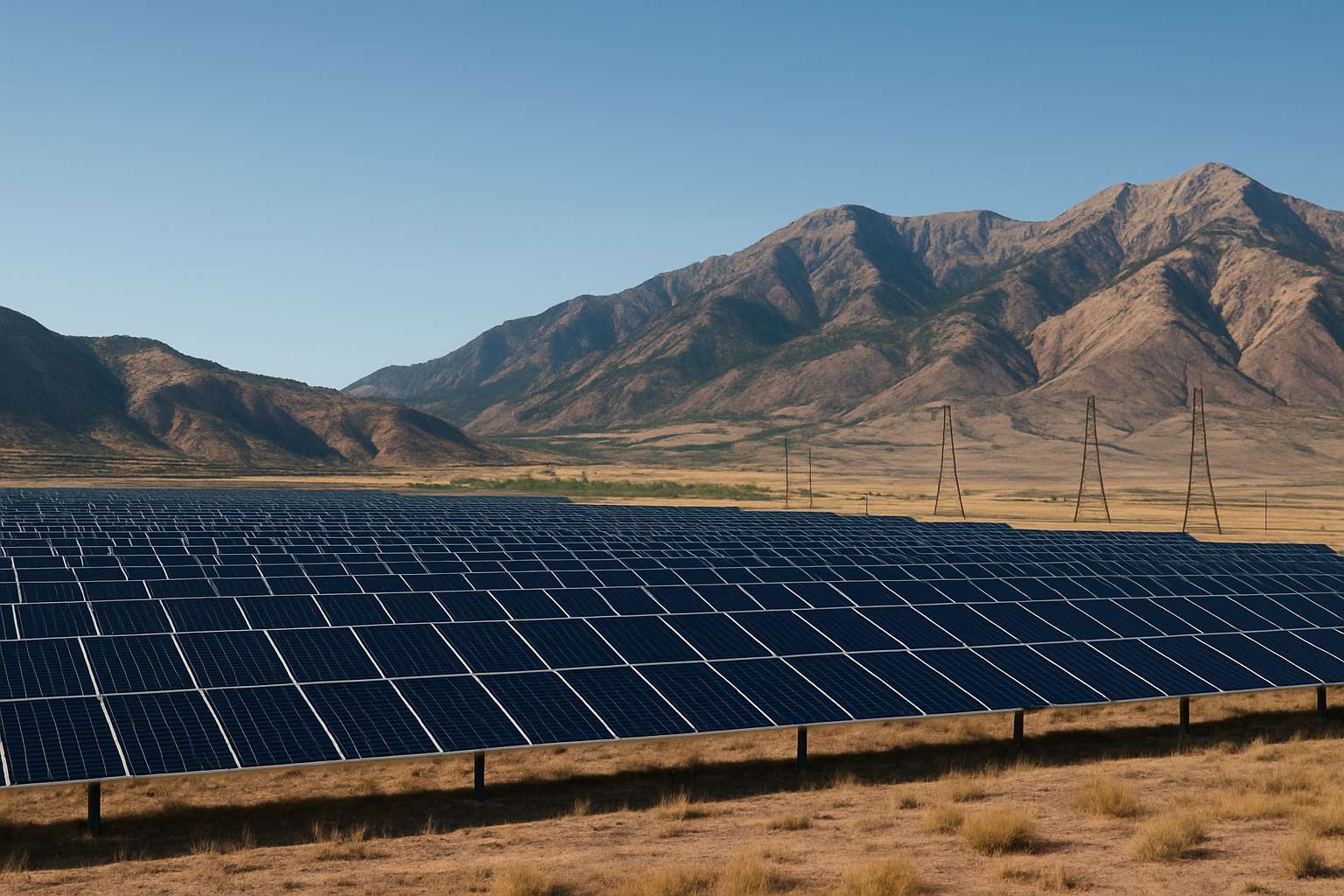
Utah already hosts several hyperscale campuses and markets itself aggressively to new investors. Operation Gigawatt, announced by Governor Cox, signals a goal of adding vast new capacity quickly. However, developers warn transmission upgrades lag procurement schedules, creating an Energy Bottleneck before shovels hit dirt. Consequently, lawmakers felt pressure to pass SB132 and prioritize firm resources. These demand trends underline the scale gap. Nevertheless, the next section details how SB132 attempts to bridge it.
Utah SB132 Policy Mechanics
SB132 carved out a separate regulatory lane for loads above fifty megawatts. Additionally, contracts under the statute isolate generation and transmission costs from standard retail customers. Therefore, utilities can negotiate bespoke tariffs without spreading risk to households. In contrast, smaller businesses remain under traditional rate reviews.
The bill distinguishes intermittent and firm supply. Solar or wind qualify only if paired with sufficient storage to cover every fifteen-minute interval. Moreover, developers must show the Public Service Commission detailed engineering proof before approval. Failing that, utilities will default to dispatchable turbines or imports.
Critics see this evidentiary hurdle as another Energy Bottleneck limiting innovative portfolios. Supporters counter that constant uptime matters more than resource branding. Consequently, Political battles now revolve around reliability metrics rather than carbon intensity. These mechanics frame every subsequent project proposal. Next, we examine how Solar economics change under this structure.
Solar Constraints And Costs
Capital markets still like Utah sunshine, yet SB132 alters project economics. Battery packs large enough for overnight coverage raise delivered prices by forty to sixty dollars per megawatt-hour. Consequently, parity with combined-cycle gas often slips beyond 2030 in current models. Moreover, storage procurement now faces its own supply chain crunch.
- Average four-hour battery costs: $250/kWh in 2024, per NREL.
- Modeled firm Solar+storage LCOE in Utah: $92/MWh versus gas at $68/MWh.
- Transmission upgrade share for one Gigawatt campus: $300-$500 million, utility filings show.
Developers therefore pivot toward hybrid arrangements that mix Solar with gas peakers or emerging long-duration storage. Nevertheless, community groups fear this compromises air-quality gains promised during early outreach. These cost pressures reinforce the Energy Bottleneck narrative. However, large capital inflows may still unlock creative financing models, as explored next.
Industry Projects Scale Up
Creekstone Energy plans the Delta Gigasite, targeting ten Gigawatt of integrated capacity across Solar, gas, and storage. Meanwhile, Novva and BluSky scout western Utah parcels near major transmission corridors. Developers tout billions in capital expenditure and hundreds of specialized jobs per campus. However, county commissioners face tough land-use votes amid rancher pushback and Political campaigning.
Water supply also sparks debate because some cooling systems rival small towns in daily consumption. Consequently, several proposals now include air-cooled or immersion technologies to soften community concerns. Nevertheless, the Energy Bottleneck keeps financial close dates tentative until firm contracts clear the PSC. These project dynamics illustrate the scale of negotiations yet to come. Subsequently, attention shifts to the hybrid models emerging to navigate current constraints.
Emerging Hybrid Power Models
Utilities and developers craft portfolios blending PV, wind, gas, and eight-hour batteries. Moreover, some proposals include small modular reactors as long-term firm anchors beyond 2035. Modeling by NREL shows such combinations can cut curtailment while meeting 99.9% uptime targets. Therefore, the hybrid path offers one route around the Energy Bottleneck without abandoning renewables.
Additionally, professionals can validate skills through the AI Cloud Architect™ certification. This credential covers orchestration, load forecasting, and grid integration topics relevant to emerging regional projects. Consequently, talent shortages need not exacerbate capacity delays. These model innovations still rely on timely PSC guidance, reviewed next.
Upcoming Regulatory Rule Decisions
The Public Service Commission now hosts weekly technical conferences to draft implementing rules. Meanwhile, Rocky Mountain Power pushes for strict definitions of electrically isolated systems. In contrast, independent generators request broader interpretations to ease renewable participation. Additionally, consumer advocates demand transparency around confidential contracts and transmission allocations.
Key docket questions include:
- What evidence proves electrical isolation for a private network?
- How will the PSC apportion multi-Gigawatt transmission upgrade costs?
- Should ratepayers bear any stranded asset risk?
Consequently, final rules will either widen or narrow the Energy Bottleneck. Stakeholders expect an initial order by July 2026. These deadlines set the stage for strategic positioning, discussed in the final section.
Strategic Actions For Stakeholders
First, developers should model multiple supply portfolios under varying curtailment penalties. Secondly, utilities must detail transmission time lines to avoid unexpected queue delays. Moreover, county officials can pre-approve land use to shorten lead times for Data Centers. Environmental groups, meanwhile, gain leverage by contributing localized air-quality modeling rather than generic opposition.
Companies should also monitor Political developments, including possible federal incentives for long-duration storage. Therefore, aligning corporate lobbying with community benefits agreements may ease permitting friction. These coordinated steps can transform the current Energy Bottleneck into a catalyst for cleaner infrastructure. Finally, mastering workforce skills will ensure project resilience. Professionals should pursue grid-focused certifications and keep pace with fast PSC updates. This forward planning leads directly to our closing insights.
The Beehive State now faces a crossroads where AI growth meets finite electrons. SB132 promises rate protection, yet its firm-power bias complicates standalone renewables. Consequently, hybrid portfolios, advanced storage, and careful rule design will decide whether development accelerates or stalls. Nevertheless, industry collaboration and community engagement can dilute conflict. By addressing land, water, and transparency concerns early, stakeholders reduce volatility. Above all, removing the Energy Bottleneck demands pragmatic engineering married to clear Political accountability. Explore certification pathways and stay informed, then lead the charge toward resilient digital infrastructure.
Disclaimer: Some content may be AI-generated or assisted and is provided ‘as is’ for informational purposes only, without warranties of accuracy or completeness, and does not imply endorsement or affiliation.


