

AI CERTS
3 hours ago
OpenAI Apple Dispute Escalates Into High-Stakes Court Clash
Consequently, investors and engineers want clarity on claims, defenses, and timelines. This article unpacks every angle for industry professionals. Transitioning through legal standards, market risks, and strategic responses, we map the road ahead.
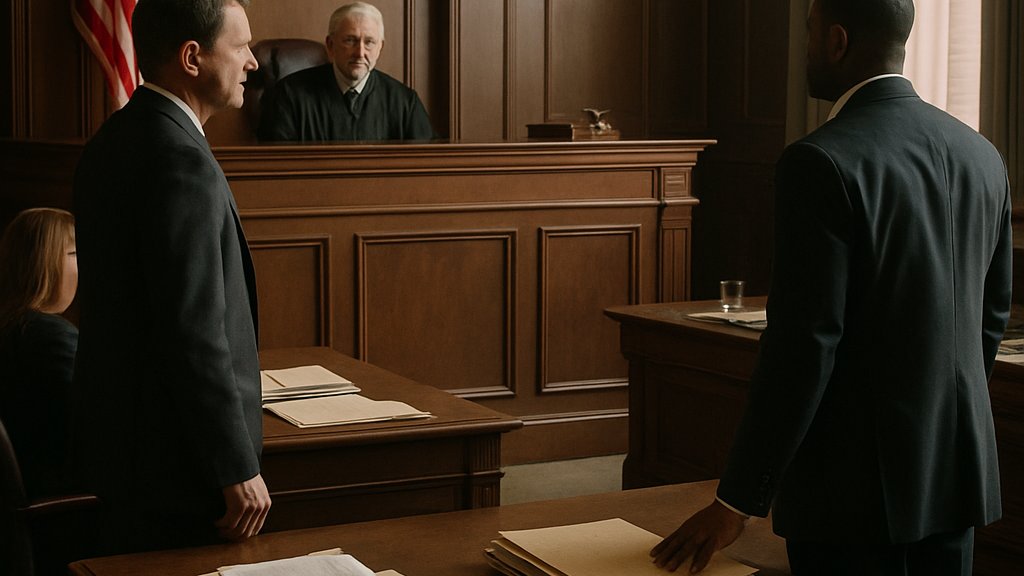
Lawsuit Overview In Depth
Apple filed its complaint in the Northern District of California, docket 5:26-cv-07078. The company seeks damages, preservation orders, and injunctions. Furthermore, Apple highlights more than 1,000 confidential pages allegedly taken by former engineer Chang Liu. The complaint also cites Chief Hardware Officer Tang Yew Tan and hardware affiliate io Products.
Apple argues the defendants orchestrated an unlawful plan to accelerate OpenAI’s consumer devices. Additionally, press coverage notes Apple claims over 400 ex-Apple staff now work at OpenAI. Such numbers intensify fears of systemic trade secrets exposure.
The Apple dispute immediately drew comparison to Waymo v. Uber. Nevertheless, experts stress each legal battle turns on evidence quality. Therefore, discovery will likely decide whether Apple’s story holds.
These facts frame the lawsuit’s scale. However, only courtroom scrutiny will validate Apple’s narrative.
Core Allegations In Focus
Apple’s filing paints a vivid timeline. Firstly, investigators assert Liu downloaded schematics, supplier contracts, and process notes during his final days. Secondly, Apple claims Tan encouraged the transfer to bolster io Products after its $6.5 billion acquisition.
Moreover, the complaint alleges Slack messages reveal coordination. In contrast, OpenAI states it never requested or received Apple materials. The document also references interviews with unnamed suppliers who noticed sudden identical requests from Tan’s team.
Consequently, Apple frames its IP claims as both deliberate and institutional. The company invokes the federal Defend Trade Secrets Act alongside California’s Uniform Trade Secrets Act. Those statutes enable injunctive relief and potential treble damages for willful theft.
This allegation matrix sets a high evidentiary bar. Nevertheless, Apple’s lawyers believe forensic audits will substantiate the story. The section shows the depth of Apple’s accusations. Subsequently, we examine how defendants counter.
OpenAI Response And Strategy
OpenAI responded within hours through spokesperson Drew Pusateri on X. “We have no interest in other companies’ trade secrets,” the post read. Moreover, the company told Bloomberg Law it was unaware of evidence supporting Apple’s filing.
Beyond statements, the emerging OpenAI defense appears multipronged. Firstly, counsel will likely move to dismiss claims targeting corporate entities lacking direct contact with Liu. Secondly, lawyers could argue Apple failed to identify truly secret information, a common DTSA hurdle.
Additionally, the defense team plans to limit early discovery, citing competitive sensitivity. In contrast, Apple demands broad forensic imaging. Consequently, magistrates will balance the privacy of proprietary AI models against alleged misconduct.
Professionals can deepen their legal toolkits through the AI Legal Agent™ certification. That coursework explores litigation risk assessments similar to the present OpenAI Apple Dispute.
OpenAI’s swift rebuttal shapes public perception. However, courtroom motions will reveal the defense blueprint.
Relevant Legal Standards Applied
The Defend Trade Secrets Act defines misappropriation as acquisition, disclosure, or use of secret information by improper means. Furthermore, plaintiffs must show they took reasonable steps to protect data. Apple cites badge access logs, NDAs, and encrypted servers as safeguards.
Meanwhile, courts evaluate secrecy, value, and competitive harm. If Apple proves each element, injunctive relief may follow. Conversely, OpenAI can rebut by demonstrating independent development and absent overlap.
Additionally, California law favors employee mobility, complicating broad restraints on talent. Consequently, judges weigh innovation freedoms against proprietary safeguards. Previous legal battle precedents, including Waymo’s $245 million settlement, illustrate high stakes.
Understanding these doctrines helps forecast outcomes. Therefore, legal professionals watch motions closely before predicting probability of success.
This framework clarifies litigation hurdles. Subsequently, the next section turns to commercial implications.
Broader Business Impacts Analyzed
The lawsuit lands as OpenAI readies consumer hardware. Delay could erode first-mover advantage and deter manufacturing partners. Moreover, Apple might seek supplier exclusivity orders, squeezing component availability.
For Apple, the case protects flagship devices and preserves premium margins. Additionally, positive rulings could discourage departing engineers from carrying sensitive files. Nevertheless, aggressive enforcement carries public-relations risks, especially amid ongoing Apple dispute chatter about walled-garden policies.
Investors also watch talent flow. In contrast, uncertainty could slow OpenAI hiring as candidates fear deposition subpoenas. Furthermore, strategic alliances, such as rumored smart-home collaborations, may pause pending clarity.
Key potential consequences include:
- Ship-date slippage for OpenAI hardware lines
- Heightened due diligence on ex-Apple recruits
- Supplier renegotiations affecting margin projections
- Market perception swings influencing valuation multiples
These ripple effects underscore why each side fights hard. However, the coming timeline will shape ultimate impacts.
Projected Future Case Timeline
DTSA suits often feature rapid motion practice. Firstly, Apple may file for a preliminary injunction within weeks. Secondly, OpenAI could counter with a motion to dismiss or compel arbitration if contracts contain such clauses.
Moreover, a Rule 26(f) conference will set discovery scope. Magistrates typically order forensic preservation of devices, emails, and cloud drives. Consequently, technical experts will examine metadata for deletion attempts.
Subsequently, depositions of Liu, Tan, and supplier executives will unfold. Summary-judgment motions may land in mid-2027 unless settlement talks progress. In contrast, a full trial could reach jurors by 2028.
Throughout, both companies must manage press lines, analyst calls, and contractor confidence. Therefore, scenario planning dominates board agendas.
This timeline highlights decision nodes ahead. Consequently, strategic conclusions gain importance.
Strategic Conclusion
The OpenAI Apple Dispute now moves from headlines to meticulous discovery. Apple alleges systemic theft of trade secrets, sweeping IP claims that strike at OpenAI’s hardware pivot. Conversely, the OpenAI defense stresses independent innovation and lawful talent mobility.
Courts will weigh evidence against stringent DTSA standards. Meanwhile, reputational stakes and supply-chain risks intensify the legal battle. Moreover, verdict timing may influence broader industry hiring and partnership norms.
Consequently, executives should monitor docket updates, injunction hearings, and expert filings. Professionals aiming to navigate similar disputes can boost credentials with the AI Legal Agent™ certification.
Stay informed as definitive rulings arrive. In contrast, inertia could expose organizations to hidden liabilities. Act now, deepen expertise, and prepare for the next headline court clash.
Disclaimer: Some content may be AI-generated or assisted and is provided ‘as is’ for informational purposes only, without warranties of accuracy or completeness, and does not imply endorsement or affiliation.


