

AI CERTS
2 hours ago
XMax bets on AI SaaS Monetization surge
This article dissects XMax’s rollout, contract economics, and competitive posture. Moreover, it explains how the strategy could reshape revenue streams for both XMax and its customers. Throughout, we benchmark the effort against established inference vendors and market projections. Finally, readers gain actionable insights for structuring profitable AI SaaS Monetization programs internally. Let us examine the facts behind the headlines.
XMax Strategy Overview Now
Boards rarely convert visions into code within weeks. Nevertheless, XMax achieved exactly that between late March and early May 2026. The subsidiary signed a US$400,000 deployment contract on April 1 and filed details days later. Subsequently, press releases on April 8 and April 30 confirmed platform functionality, websites, and active workloads.
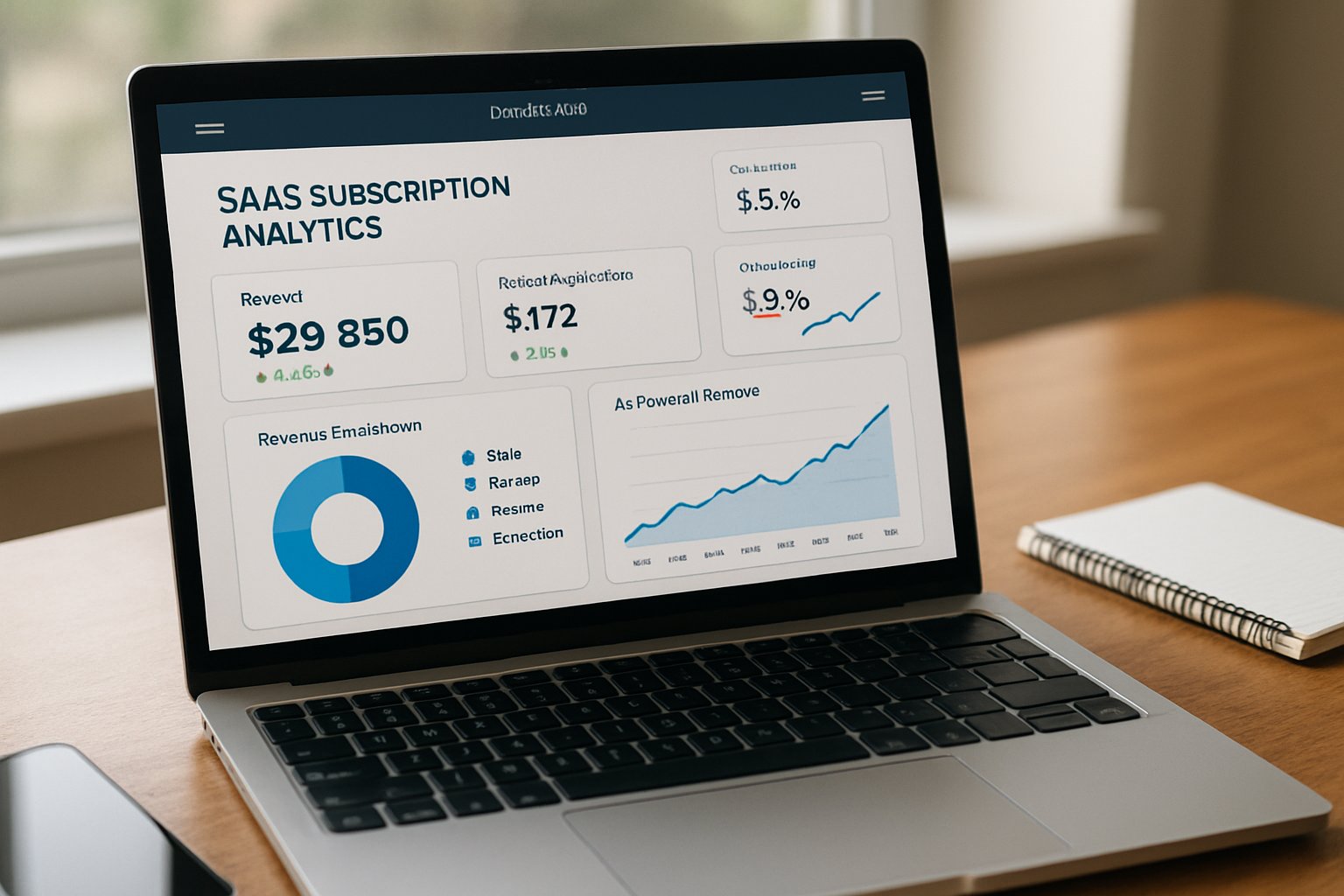
Therefore, the company now operates an AWS-based stack delivering inference, billing, and orchestration services. Management frames this stack as the cornerstone of long-term AI SaaS Monetization. CEO Xiaohua Lu stated the move “establishes the foundation for XMax to operate as an AI-enabled platform company”. Investors welcomed the pivot because software margins could offset historical hardware losses.
Meanwhile, an undisclosed client committed to a US$4.8 million API model agreement. XMax projects more than US$30 million Revenue within a year if additional customers sign similar deals. Such projections remain forward-looking but highlight management’s confidence. Consequently, scrutiny of contractual substance becomes essential.
XMax’s compressed timeline validates execution capability. However, assessing market size clarifies whether that capability unlocks sustained gains.
Market Opportunity Fully Explained
Market researchers value the Global AI inference segment at US$117.8 billion for 2026. Furthermore, forecasts show a CAGR near 13 percent, surpassing many enterprise software niches. Consequently, even small share capture could materially lift XMax Revenue. However, competition intensifies as incumbents and startups chase the same spend.
To quantify potential, consider three drivers.
- Enterprise demand for domain-specific generative assistants accelerates token consumption across industries.
- Edge computing pushes inference closer to users, yet centralized gateways remain vital for complex models.
- Usage-based billing aligns model costs with customer success, enabling predictable AI SaaS Monetization.
Moreover, XMax positions itself as a neutral orchestrator rather than a model creator. That stance mirrors Akamai’s grid approach yet leverages AWS elasticity instead of edge nodes. In contrast, GPU resellers like CoreWeave sell capacity, not complete billing frameworks. Robust AI SaaS Monetization models hinge on aligning pricing with measurable productivity gains.
These factors suggest meaningful headroom for new entrants. Therefore, technical architecture deserves deeper review to gauge scaling viability.
Platform Architecture Key Essentials
XMax’s stack hosts pre-trained models behind REST and gRPC API endpoints. Intelligent routing directs traffic toward cheapest or fastest providers on a per-request basis. Additionally, built-in authentication and metering support granular usage billing. Autoscaling on AWS handles peak loads without permanent GPU reservations.
Integration layers resemble Hugging Face’s Inference API but add payment processing and workflow modules. Consequently, customers can embed large models quickly without hiring infrastructure engineers. This convenience underpins the AI SaaS Monetization promise highlighted earlier. Yet convenience must pair with reliability to secure enterprise trust.
Professionals can validate related sales competencies through the AI Sales™ certification. Such credentials help solution teams articulate value and shorten procurement cycles. Moreover, certified staff often command higher compensation, driving personal Revenue upside. Therefore, skilling complements platform capability in winning accounts.
The architecture balances flexibility with managed complexity. Next, contract structures reveal how that architecture translates into cash flows.
Monetization Contracts Carefully Analysed
The first commercial signal arrived with Cloud Alliance’s US$400,000 deployment contract. That agreement split payments into mobilization and acceptance milestones, limiting upfront risk. Subsequently, the US$4.8 million API model agreement provided recurring monthly Revenue visibility. However, absence of the client’s name raises verification challenges.
Analysts view the deal as proof that buyers accept XMax’s usage-based AI SaaS Monetization terms. Nevertheless, margin impact depends on AWS consumption costs, GPU spot pricing, and routing efficiency. Akamai’s edge grid claims latency advantages, yet its unit economics remain undisclosed as well. Therefore, investors should monitor gross margin disclosures in forthcoming SEC filings.
Current contracts evidence demand yet lack granular details. Consequently, competitive context offers more clues regarding sustainability.
Competitive Landscape Inference Market
Major players including Akamai, Hugging Face, and NVIDIA already orchestrate inference at scale. Meanwhile, specialized GPU clouds such as CoreWeave undercut general clouds on cost per token. In contrast, XMax pursues differentiation through integrated billing, workflow, and branded AI SaaS Monetization APIs. Global reach comes from AWS regions rather than proprietary edge locations.
Additionally, XMax highlights multi-model routing to mitigate vendor lock-in for customers. This feature parallels strategies from open ecosystem vendors like Modal and Replicate. Nevertheless, incumbents possess deeper war chests and established sales channels. Legacy vendors have begun experimenting with AI SaaS Monetization bundles tied to storage or networking products.
Competition will compress margins over time. Risks and mitigation strategies deserve separate attention.
Risks And Next Steps
Several red flags accompany the upbeat narrative. First, limited financial resources constrain capacity reservations during demand spikes. Second, undisclosed counterparties hinder independent validation of projected Revenue. Third, Global GPU shortages may inflate costs and erode profitability.
However, management can address these issues through transparent filings and capacity partnerships. Furthermore, securing long-term commitments will stabilize cash flows and strengthen AI SaaS Monetization credibility. Delays could erode AI SaaS Monetization momentum and invite impatient investors. Investors should request Exhibit documents and margin guidance before underwriting rosy forecasts.
Mitigation measures will decide future valuation. Finally, strategic execution sets the stage for tangible results.
Final Thoughts And Action
XMax sprinted from concept to cloud deployment in record time. Consequently, early contracts showcase real appetite for consumption-based AI SaaS Monetization. The vast Global inference market offers space, yet rivals already circle the same prize. Sustained success will hinge on transparent reporting, margin control, and differentiated customer experience.
Moreover, teams aiming to mirror this playbook should pair technical readiness with commercial skill. Professionals may sharpen skills through the earlier mentioned AI Sales™ credential. Start evaluating platform metrics today and position your organization for tomorrow’s intelligent applications.
Disclaimer: Some content may be AI-generated or assisted and is provided ‘as is’ for informational purposes only, without warranties of accuracy or completeness, and does not imply endorsement or affiliation.


