

AI CERTS
2 hours ago
UN Sounds Alarm on AI Online Harassment Escalation
Generative AI Threats Intensify
Generative models create text, voice, and video at unprecedented speed. Therefore, hostile actors fabricate convincing Deepfakes that humiliate or blackmail women. UN Women reports that 90-95 percent of synthetic videos are sexual and overwhelmingly target female figures. Moreover, Internet Watch Foundation logged hundreds-fold increases in AI-generated child abuse imagery during 2025.
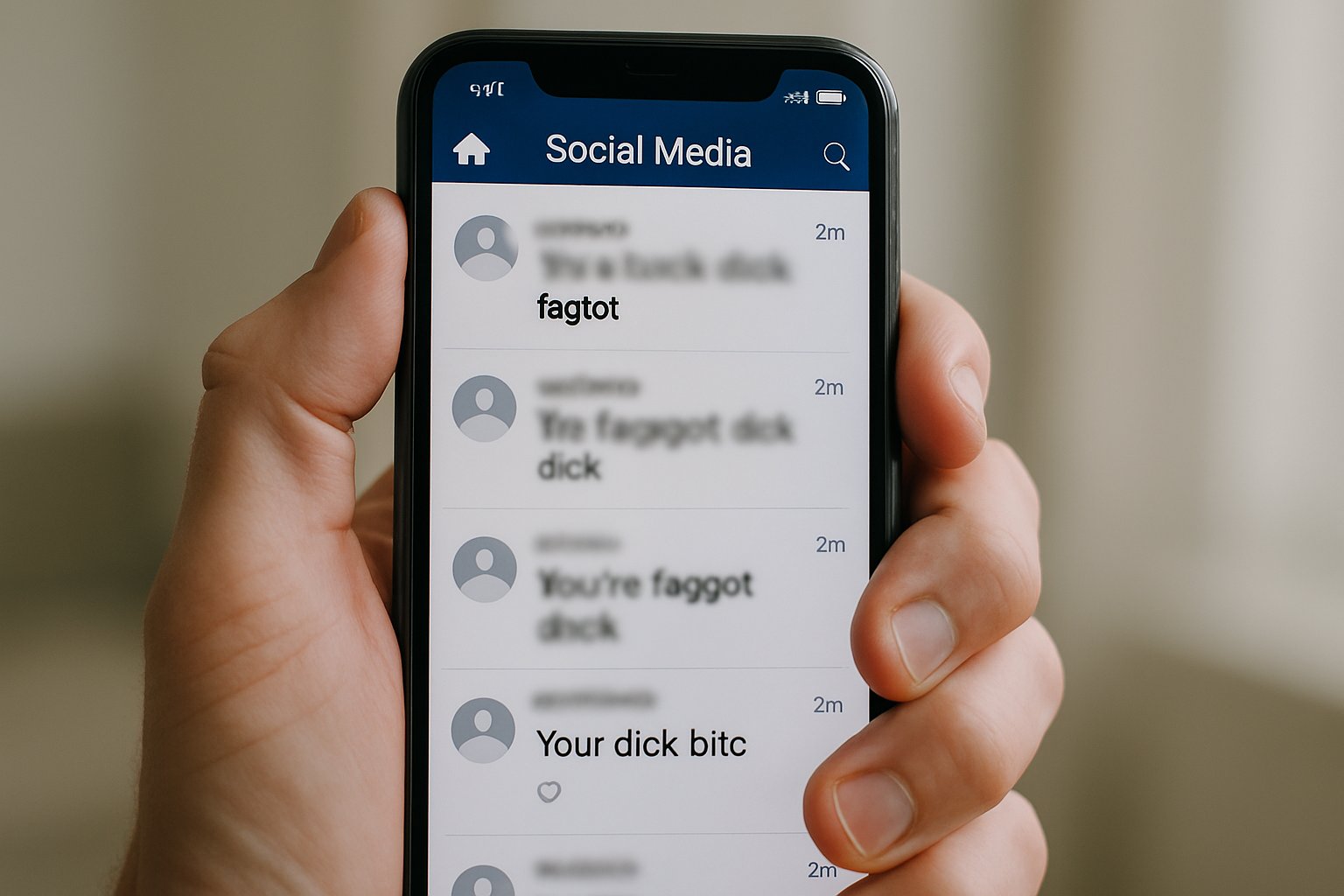
These numbers convert abstract risk into lived danger. AI Online Harassment now scales faster than traditional moderation can respond. Nevertheless, defenders note the same algorithms could detect manipulated media if industry invested early.
Key statistics illustrate the surge:
- 69.9 percent of surveyed women in public life endured online violence.
- 23.8 percent faced attacks that involved AI tools.
- 41 percent linked online abuse to offline harm such as stalking.
These figures reveal an accelerating crisis. However, coordinated action can still blunt the trend.
Escalating threats define this landscape. Consequently, the next section shows how professional women become prime targets.
Women Professionals Under Siege
Journalists, activists, and politicians suffer disproportionate exposure. Additionally, 75 percent of female media workers reported harassment in UN Women’s 2025 study. Misogyny fuels campaigns designed to silence critical voices. In contrast, male colleagues see lower volumes and less sexualized content.
AI Online Harassment magnifies old tactics. Deepfakes splice respected reporters into pornographic scenes, undermining credibility. Meanwhile, coordinated botnets flood comment threads with abuse, making the Digital Space unsafe for open debate.
The relentless assault drives self-censorship. Almost 45 percent of surveyed women journalists reduced social media activity, and 22 percent altered professional reporting. Moreover, 42 percent experienced real-world intimidation linked to online threats.
Professional voices shrink under pressure. Nevertheless, understanding offline spillovers clarifies why stronger safeguards must follow.
Victims retreat to protect safety. Therefore, we next explore how online hate crosses physical boundaries.
Harassment Crosses Offline Lines
Digital abuse rarely stays online. Consequently, doxing, swatting, and stalking translate virtual attacks into physical danger. Human Rights Watch emphasizes that unregulated models supercharge this risk.
AI Online Harassment often begins with synthetic images. Subsequently, attackers release personal addresses or manipulate navigation apps to mislead victims. Deepfakes can even simulate incriminating audio, prompting police visits.
UN Women links the rise in offline harm to the volume and believability of AI-assisted content. Furthermore, 41 percent of respondents reported direct physical consequences. These incidents erode trust in public institutions tasked with protection.
Physical threats amplify psychological trauma. However, platform accountability may curb escalation.
Real-world impacts demand systemic fixes. Consequently, scrutiny now shifts to technology companies.
Platforms Face Accountability Pressure
Public outrage followed January 2026 Deepfakes featuring prominent U.S. lawmakers. Therefore, legislators introduced fast-track bills targeting non-consensual imagery. EU regulators opened Digital Services Act probes, while several state attorneys general launched investigations.
Platforms responded unevenly. Some models blocked sexual prompts, yet loopholes persisted. Moreover, xAI’s Grok briefly disabled an image tool after “virtual rape” clips surfaced. Critics argue that voluntary measures lag far behind the scale of AI Online Harassment.
Watchdogs demand safety-by-design. They call for provenance watermarks, robust reporting dashboards, and rapid takedown protocols. Professionals can enhance their expertise with the AI Ethics certification to guide responsible deployments.
Regulatory momentum builds, yet policy gaps remain. Nevertheless, concrete recommendations outline a viable roadmap.
Corporate responses remain reactive. Meanwhile, the next section maps legislative and policy fixes.
Policy Gaps And Fixes
Legal frameworks struggle with jurisdictional limits. Additionally, many statutes omit gendered harms or emerging media types. UN Women urges governments to criminalize technology-facilitated violence explicitly and harmonize cross-border enforcement.
Proposed solutions include mandatory risk assessments, transparency reports, and survivor-centered redress schemes. Moreover, civil society groups advocate for dedicated police training on Deepfakes and doxing.
The Global Digital Compact discussions, slated for late 2026, may embed these norms. Consequently, stakeholders push to codify principles before generative AI adoption deepens.
Robust laws close loopholes and deter abusers. However, technical tools also play a pivotal role.
Policy reforms set the stage. In contrast, defensive technologies offer immediate relief.
Defensive Tech And Training
AI can serve survivors rather than attackers. For instance, detection models flag manipulated frames within seconds. Additionally, provenance frameworks like C2PA embed tamper-evident hashes.
Chatbots now guide victims through evidence preservation and takedown requests. Moreover, nonprofits deploy machine-learning classifiers to surface AI Online Harassment at scale.
Training equips responders to leverage these tools. Journalists, moderators, and law enforcement gain practical skills through specialized courses. Professionals broaden capability when they pursue the linked AI Ethics certification.
Technological defenses will not solve social roots of Misogyny. Nevertheless, they reduce immediate exposure.
Effective defenses enhance resilience today. Therefore, coordinated stakeholder action remains essential for tomorrow.
Path Forward For Stakeholders
Multi-layer cooperation offers the strongest shield. Governments must enact clear laws. Platforms should integrate safety-by-design. Academia and watchdogs need funding for measurement research.
Civil society can spotlight lived experiences, while certification bodies instill ethical rigor. UN Women will keep tracking progress and convening partners.
Collective momentum can reverse current trajectories. Moreover, transparent metrics will show whether Deepfakes decline and the Digital Space becomes safer.
Shared responsibility underpins sustainable change. Consequently, readers should stay informed and advocate for rigorous safeguards.
Conclusion
AI Online Harassment threatens hard-won rights, magnifying Misogyny through Deepfakes and automated abuse. However, UN Women’s data also sparks urgent reform. Platforms, lawmakers, and professionals can deploy detection tools, enact targeted laws, and adopt ethical certifications. Consequently, coordinated action can reclaim the Digital Space for women’s voices. Explore the AI Ethics certification and join the movement toward safer innovation.
Disclaimer: Some content may be AI-generated or assisted and is provided ‘as is’ for informational purposes only, without warranties of accuracy or completeness, and does not imply endorsement or affiliation.


