

AI CERTS
2 hours ago
Carbon Forecast Conflict: UK Departments Split on AI Power Needs
Britain already faces record energy demand connection queues. Consequently, data centers compete with renewable projects for scarce capacity. Environmental groups warn the row could derail net zero progress. Industry executives, in contrast, argue rapid action can secure economic gains. This article unpacks the numbers, the politics, and the options ahead.
Policy Demand Rift Emerges
DSIT’s July 2025 Compute Roadmap set the tone for Britain’s AI ambitions. Moreover, officials forecast at least 6 GW of AI-capable capacity by 2030. That figure shocked many grid planners.
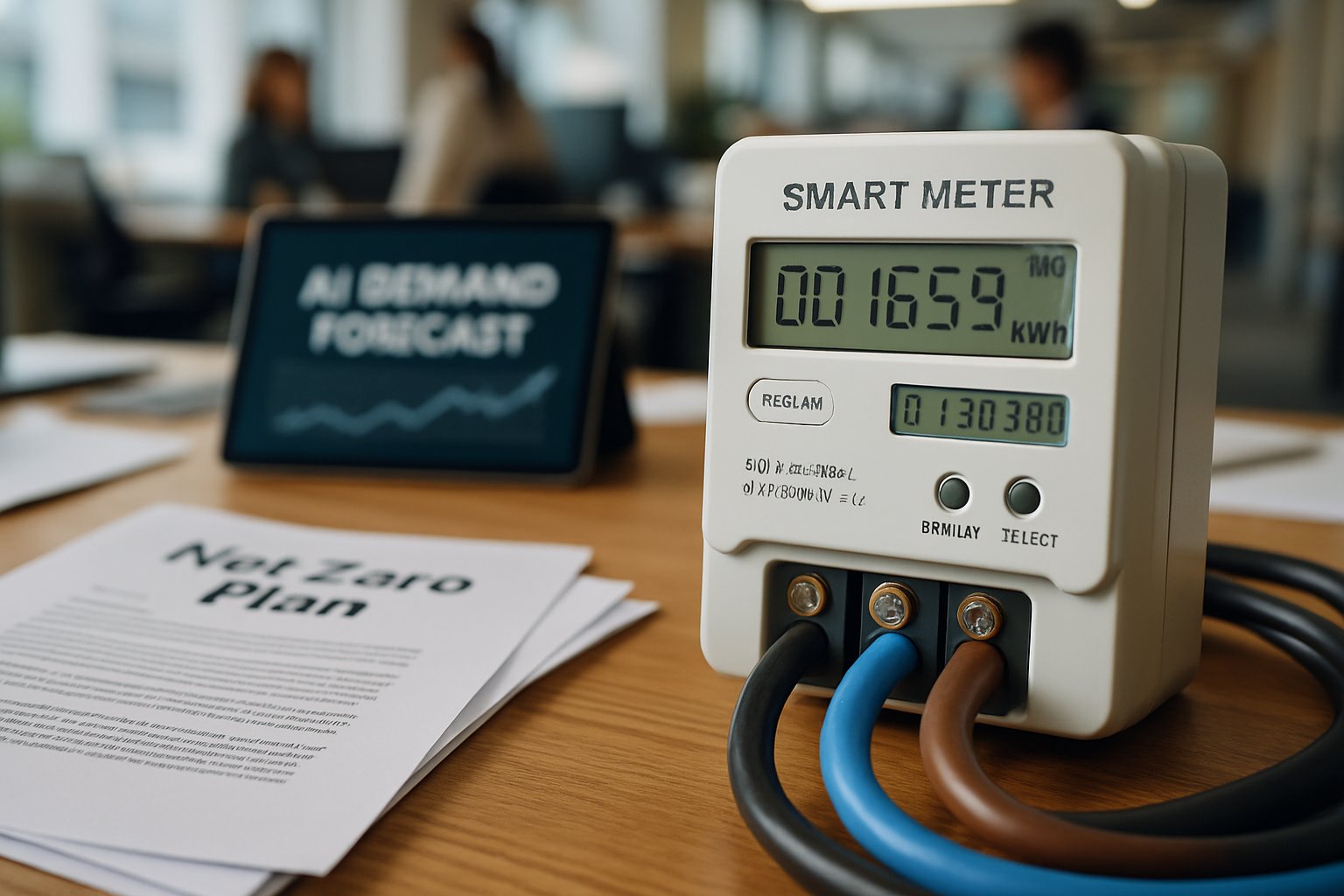
DESNZ’s commercial modelling paints a starkly different picture. In contrast, it expects only 528 MW of extra corporate load during the same period. Therefore, the Carbon Forecast Conflict widened.
Journalists highlighted the divergence after The Guardian published leaked spreadsheets. Consequently, Foxglove’s Tim Squirrell declared the situation "alarming". NESO executives echoed calls for transparency.
These early revelations exposed structural modelling gaps. Subsequently, pressure mounted for an inter-departmental audit.
Divergent Power Models Surface
Both departments rely on complex scenario tools. However, alignment on core assumptions remains elusive. DESNZ bundles AI facilities inside a broad commercial bucket, creating an electricity discrepancy critics call misleading.
DSIT, meanwhile, models AI racks separately because per-rack power densities exceed typical data centers. Moreover, its evidence annex cites McKinsey inputs and Cambridge Econometrics work. Those consultancies evaluated cooling loads, water use, and embodied emissions.
UCL researchers note that small shifts in utilisation rates swing annual energy demand projections by gigawatts. Consequently, reconciling the two forecasts requires common data and staged peer review. Until that happens, the Carbon Forecast Conflict persists.
Modelling coherence will decide investment certainty. Nevertheless, ministers have yet to set a shared baseline.
Growing Grid Queue Pressures
Beyond paperwork, developers face physical bottlenecks. NESO records show roughly 50 GW of data centers waiting for transmission hookups. Furthermore, applications surged 460 percent in early 2025.
The queue now equals Britain’s entire installed capacity. Therefore, network companies quote waits of up to 15 years. Such delays undermine government planning for electrification.
Ofgem proposes a Curate-Plan-Connect reform package. Subsequently, the Connections Accelerator Service would fast-track strategically important loads. However, critics fear the policy may prioritise hyperscalers over community solar.
- 140 AI sites in the transmission queue, per NESO.
- 96 GW total high-voltage requests recorded in 2025.
- 29 GW additional demand sought at distribution level.
- Britain’s peak demand sits near 46 GW today.
These figures illustrate the scale of the logjam. Consequently, decisive queue management becomes unavoidable.
Environmental Stakes Rapidly Rise
DSIT’s revised annex estimates 34–123 MtCO2 from AI compute over ten years. Moreover, that range equals up to 3.4 percent of projected national emissions. Such numbers collide with legally binding net zero milestones.
Water consumption also features heavily. In contrast, some training runs consumed hundreds of thousands of litres. Consequently, planners must weigh regional water stress alongside power.
DESNZ insists decarbonising the grid will contain these impacts. Nevertheless, the electricity discrepancy between forecasts clouds the assessment. Environmental NGOs demand clearer lifecycle metrics.
Professionals can enhance their expertise with the AI Data Steward™ certification. Furthermore, rigorous training supports credible carbon accounting. Better skills narrow the Carbon Forecast Conflict.
Emissions and water realities raise policy urgency. Therefore, environmental evidence must anchor upcoming decisions.
Reform Options Under Debate
Officials debate three immediate levers. First, queue curation would drop speculative applications. Secondly, flexible tariffs could reward data centers that offer demand response.
Thirdly, coordinated government planning could steer new clusters toward surplus grid zones. Moreover, on-site renewables and battery storage reduce grid strain. National Grid trials already show AI facilities can curtail loads within seconds.
Nevertheless, some analysts warn that accelerated connections may still raise overall energy demand. Therefore, efficiency mandates for GPUs and cooling remain essential. Stakeholders agree that clear metrics could soften the Carbon Forecast Conflict.
The Cabinet Office is reviewing cross-departmental governance. In contrast, parliamentary committees prepare hearings on electricity discrepancy causes. Broad consensus on timelines remains elusive.
Potential remedies exist but require swift coordination. Subsequently, formal policy papers will test political resolve.
Industry Perspectives Fiercely Clash
Hyperscalers argue that domestic compute lowers latency and boosts competitiveness. Moreover, they promise to finance renewable projects equal to their energy demand. Property advisers cite soaring land prices near substations.
Community groups, nevertheless, fear noise, water use, and missed net zero pledges. Foxglove’s Tim Squirrell calls policy drift "clueless". Such rhetoric intensifies the Carbon Forecast Conflict.
Investors watch Ofgem’s reform timeline closely. Consequently, share prices of listed data center operators swing with every consultation leak. Analysts note similar market moves in Ireland and Denmark.
Economic hopes and social anxieties collide in this debate. Therefore, balanced stakeholder engagement remains vital.
Strategic Pathway Moves Forward
Whitehall faces three strategic pathways. Firstly, prioritise AI loads and risk breaching carbon budgets. Secondly, cap connections until clean supply catches up. Thirdly, accelerate renewables, storage, and efficiency in tandem.
National Energy System Operator, meanwhile, pilots queue reordering based on financial readiness. Moreover, Ofgem explores penalties for dormant applicants. Such measures could shrink electricity discrepancy and restore investor confidence.
DESNZ will publish Carbon Budget 7 this autumn. Consequently, any quota for AI facilities could crystallise the Carbon Forecast Conflict stakes.
The coming months will reveal which route ministers choose. Meanwhile, prudent investors should track policy signals.
Clear milestones will define success. Consequently, rapid execution is essential.
Conclusion And Outlook
Britain’s AI growth ambition now depends on reconciling the Carbon Forecast Conflict. Moreover, transparent assumptions, curated queues, and rigorous efficiency standards can narrow the rift. Accelerated renewables and responsive loads will further align energy demand with climate targets. Nevertheless, without united government planning, investors will hesitate and communities will protest. Swift action could transform a policy headache into an exportable model for net zero infrastructure.
Professionals seeking to lead that shift should consider the AI Data™ credential. Consequently, informed talent will be central to settling the Carbon Forecast Conflict for good. Ultimately, ending the Carbon Forecast Conflict will safeguard grids, jobs, and the climate.
Disclaimer: Some content may be AI-generated or assisted and is provided ‘as is’ for informational purposes only, without warranties of accuracy or completeness, and does not imply endorsement or affiliation.


