

AI CERTs
4 months ago
Amazon AI Cameras Challenge Labor Rights
Delivery workers rarely notice when technology shifts under their feet. However, Amazon’s latest wave of AI-equipped cameras makes that shift impossible to ignore. The system watches every scanned package, every steering correction and every idle second. Critics say the approach reshapes workplace power and threatens core Labor Rights. Meanwhile, Amazon frames the devices as safety engines that improve Productivity and keep orders flowing. This article examines the technology, the data, the pushback, and the growing implications for global employment standards. Moreover, regulators from Paris to Washington are watching closely. Warehouse organizers and unions are also sharpening their arguments as algorithms become the new foremen.
AI Cameras Reshape Work
Amazon embeds computer vision in scanners, vans and conveyor belts. Consequently, the network produces second-by-second behavioral metrics across each warehouse and delivery route. Moreover, dashboards translate those signals into color-coded performance scores for managers.
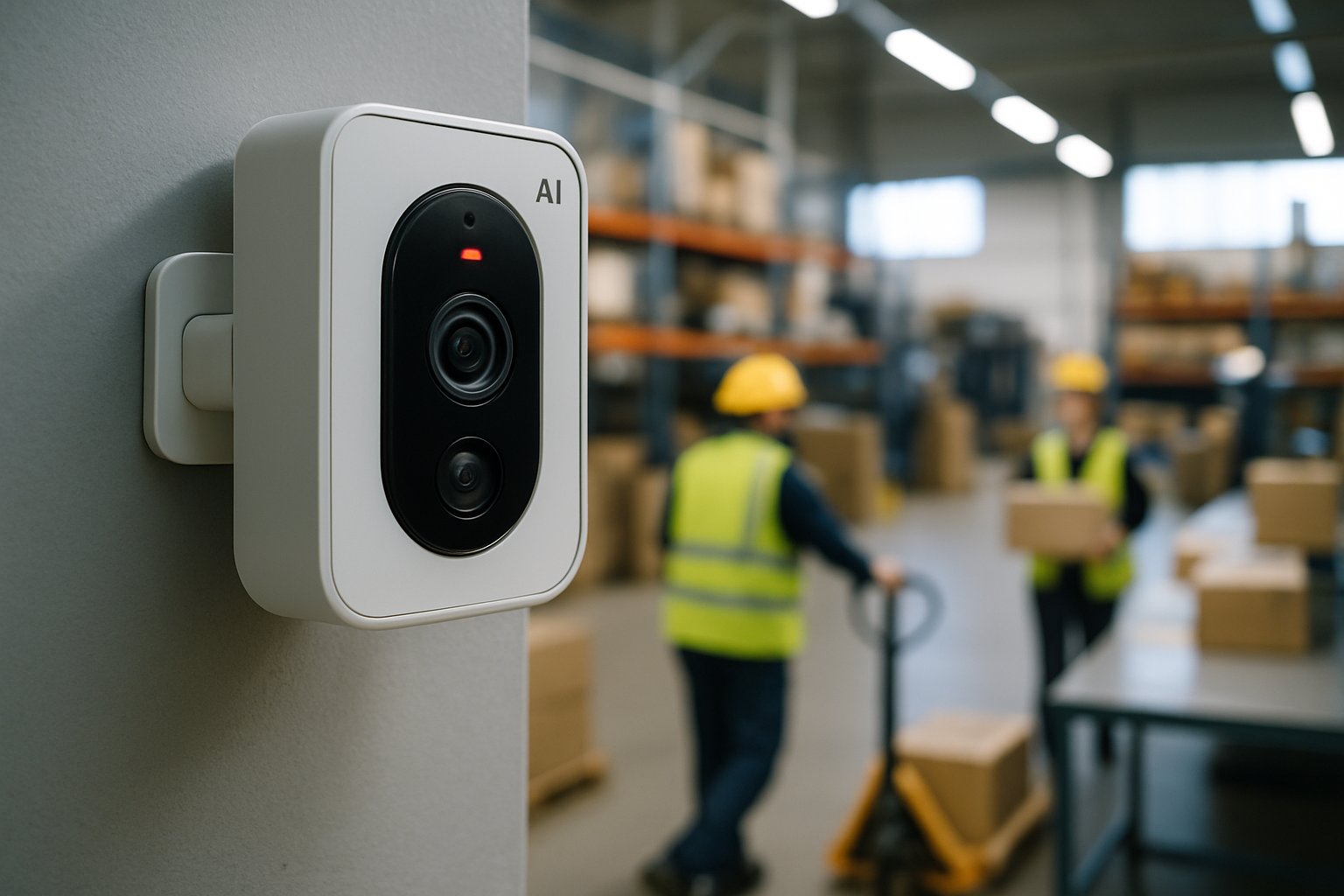
Company blogs state the cameras reduce collisions and shorten training cycles. In contrast, many drivers describe constant surveillance as exhausting rather than liberating. Productivity may rise, yet morale often drops when every blink feels measured.
These divergent accounts reveal the core tension. However, understanding the data behind the promise is essential before judging outcomes.
Such context sets the stage for safety analysis. Therefore, we next review published evidence and vendor claims.
In sum, AI cameras create granular oversight while promising efficiency gains. Nevertheless, proof of balanced benefits remains contested.
Next, we evaluate the safety numbers Amazon highlights.
Safety Claims And Data
Amazon cites millions of autonomous warnings that allegedly cut accident rates. Additionally, vendor Netradyne reports 99% alert accuracy after 18 billion miles of captured footage. Those numbers travel well in press releases.
However, independent audits remain absent. Privacy International notes workers rarely receive transparent error logs when false positives hit. Consequently, some drivers receive penalties despite following policy.
Consider the recent €32 million CNIL fine. Investigators judged Amazon’s one-second scan metric “excessively intrusive” and unrelated to genuine safety. Furthermore, the authority criticized disproportionate idle-time tracking.
Key safety talking points appear respectable at first glance. In contrast, regulators demand demonstrable necessity and proportionality.
Public datasets show limited independent evidence, yet several data points stand out:
- Vendor claim: 99% alert accuracy, 18B miles recorded
- CNIL penalty: €32M for intrusive monitoring
- Survey: 57% workers cite mental health harm
Importantly, any safety metric should not override basic Labor Rights principles.
Overall, published statistics offer partial validation while leaving critical gaps. Therefore, deeper scrutiny of health outcomes becomes vital.
We now turn to how monitoring affects worker wellbeing.
Regulatory Pushback Gains Ground
European regulators lead current enforcement. Moreover, CNIL’s detailed ruling challenges Amazon’s data minimization practices. The decision requires policy overhauls and shorter retention windows.
Across the Atlantic, OSHA and the NLRB explore similar concerns. Nevertheless, fragmented U.S. statutes slow coordinated action. Unions have filed multiple complaints alleging retaliatory use of surveillance data.
European data law treats worker monitoring as entwined with Labor Rights safeguards.
Consequently, Amazon faces a patchwork compliance landscape. Warehouse expansions must navigate differing privacy, Labor Rights, and safety mandates simultaneously.
Regulatory attention signals high legal risk and reputational exposure. Subsequently, companies in the broader logistics sector monitor outcomes closely.
Therefore, regulators question whether mass surveillance is proportionate to the stated goals.
In brief, oversight is tightening even as technology spreads. However, the human cost requires equal examination.
The following section addresses mental and physical health indicators.
Worker Health And Wellbeing
NGO surveys paint a troubling picture. Privacy International found 57% of respondents linking monitoring to mental strain. Additionally, 51% reported negative physical effects, especially in repetitive warehouse roles.
Drivers describe heightened anxiety, fearing automatic downgrades after unavoidable incidents. Meanwhile, continuous camera feeds encourage less hydration because bathroom breaks may hurt Productivity scores. Pervasive surveillance amplifies these pressures by eroding perceived autonomy.
Psychologists warn that hyper-vigilance elevates cortisol, leading to fatigue and longer recovery times. Moreover, leaked footage incidents intensify stress by exposing workers to public scrutiny.
Health concerns challenge Amazon’s safety narrative. Consequently, critics argue that camera systems may swap acute accident risk for chronic burnout.
Erosion of Labor Rights often accompanies these physiological strains.
To summarize, evidence suggests well-being trade-offs that policies must address. Next, we examine direct implications for collective action and Labor Rights.
Impact On Labor Rights
Algorithmic scoring changes disciplinary power dynamics. Furthermore, opaque metrics reduce workers’ ability to contest unfair evaluations. Unions argue that such opacity obstructs legally protected organizing.
NLRB filings cite camera data used during termination meetings. Moreover, organizers claim managers reference scan rates when discouraging membership drives.
Continuous surveillance also deters casual conversations that foster solidarity. Consequently, Labor Rights advocates demand transparent appeal processes and independent audits.
International frameworks, including OECD guidelines, treat privacy as a fundamental workplace right. In contrast, rapid deployment often outpaces negotiated safeguards.
Briefly, digital oversight shapes bargaining conditions in profound ways. Therefore, the next section explores balancing innovation with trust.
Balancing Tech And Trust
Building credible safeguards requires multi-stakeholder input. Consequently, Amazon has piloted shorter video retention and expanded human review panels.
Professionals can deepen ethical understanding with the AI Ethics for Business™ certification. Moreover, such frameworks guide governance teams when assessing surveillance deployments.
Experts recommend several practical steps:
- Limit raw footage storage to proven safety periods.
- Publish false-positive rates quarterly.
- Create joint committees with warehouse workers and unions.
Transparent metrics improve Productivity trust loops, while participatory design supports Labor Rights protections.
In summary, aligning technical controls with social norms builds durable legitimacy. Subsequently, the focus shifts to wider industry implications.
Strategic Steps For Stakeholders
Logistics leaders should audit algorithmic pipelines before scaling. Furthermore, independent experts can verify bias, accuracy and retention controls.
Workers can organise peer documentation of flagged events. Meanwhile, unions may leverage that evidence during collective bargaining. Global unions also coordinate campaigns to share monitoring experiences across borders.
Regulators should coordinate cross-border guidance to reduce compliance uncertainty. Additionally, academic labs can test vendor claims under controlled conditions.
Finally, investors must weigh safety benefits against reputational costs. Consequently, balanced scorecards that include Labor Rights indicators will inform capital allocation.
Collectively, these steps promote ethical Productivity gains without sacrificing human dignity. Nevertheless, continuous vigilance remains essential.
The conclusion distills the central lessons and invites further action.
Amazon’s AI cameras illustrate how powerful analytics reshape daily work. Safety gains remain plausible, yet documented harms and regulatory fines show serious limits. Moreover, mental strain, privacy loss and chilled organizing highlight unresolved human costs. Consequently, comprehensive governance that embeds transparent metrics and swift appeals is imperative. Labor Rights must anchor every algorithmic design decision moving forward. Professionals, regulators, investors, and unions should collaborate on evidence-based standards immediately. Explore linked ethics certifications and apply these insights to build fair, high-performing operations today.
Disclaimer: Some content may be AI-generated or assisted and is provided ‘as is’ for informational purposes only, without warranties of accuracy or completeness, and does not imply endorsement or affiliation.


