AI Executive Keynote Fallout Spurs Global Ethics Debate
Bill Gates was set to open the India AI Impact Summit today. However, the AI Executive canceled hours before showtime. Consequently, protesters and analysts connected the move to mounting scrutiny of Microsoft’s military cloud contracts and renewed Epstein email disclosures. The sudden absence turned a routine keynote into a flashpoint. Moreover, it underscored how quickly reputational storms can derail high-stakes events for any AI Executive.
Gates Keynote Sparks Backlash
Reports state Gates withdrew “to keep focus on priorities.” Nevertheless, activists immediately claimed victory. They argued relentless pressure forced the AI Executive to retreat. Keynote slots usually guarantee positive headlines. In contrast, this withdrawal amplified every lingering controversy. Reuters noted security teams expected demonstrations outside the Summit venue. These tensions echo earlier disruptions at Microsoft’s anniversary celebration and Build developer conference.
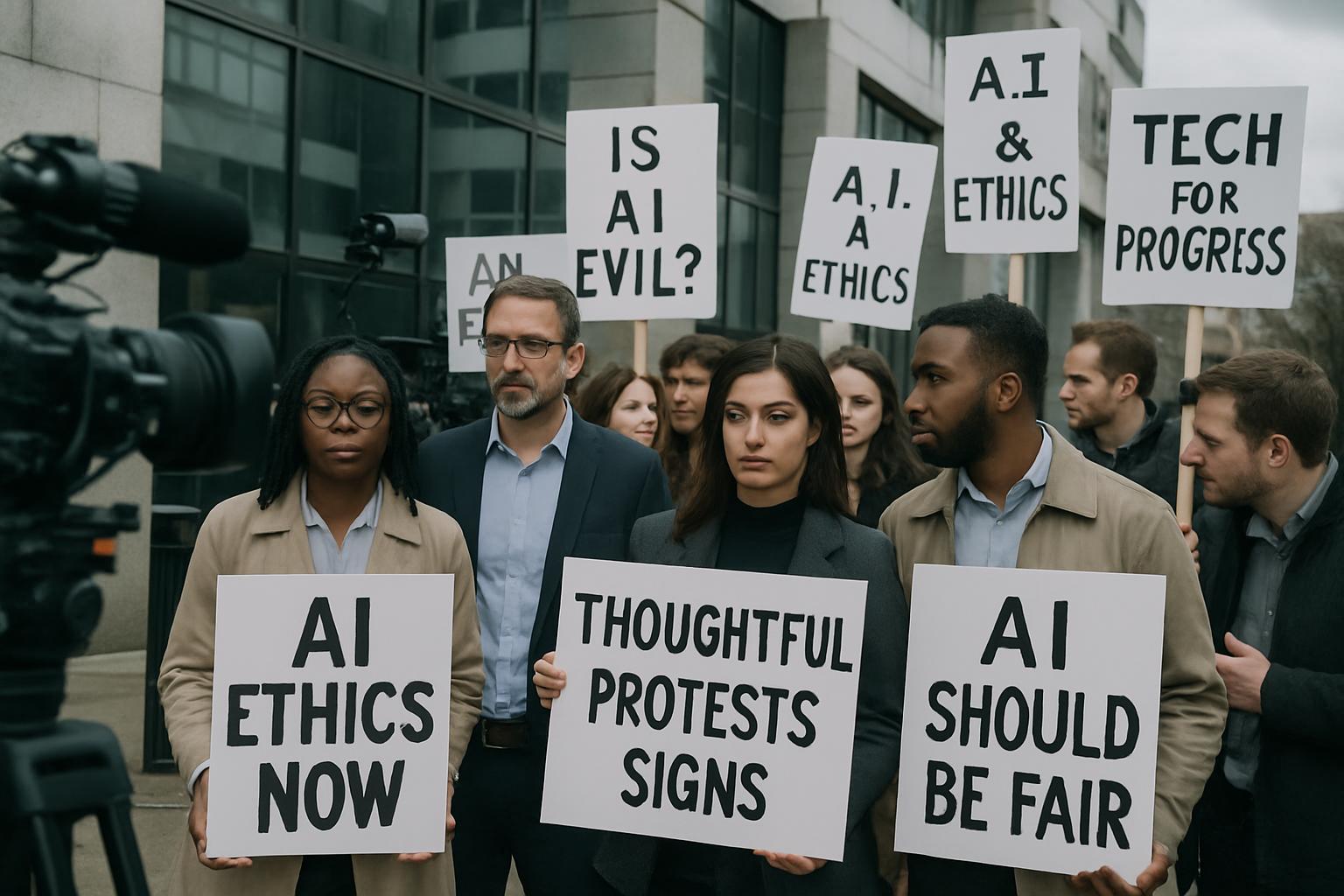
Protests erupt demanding more ethical responsibility from AI Executives.
Canceling a high-profile keynote rarely contains damage. Instead, it often validates critics. Therefore, companies must weigh silent exits against controlled engagement. These early repercussions foreshadow wider governance questions explored below.
Protest Timeline Highlights Escalation
Activism simmered for months before erupting onstage in April 2025. Employees shouted “You have blood on your hands” during Copilot demos. Furthermore, two workers lost jobs after refusing to leave. Subsequent incidents hit Build 2025, where an engineer interrupted Satya Nadella’s keynote with “Free Palestine.”
Momentum persisted through shareholder season. Meanwhile, the “No Azure for Apartheid” petition gathered thousands of signatures. Gates’ canceled Summit appearance marks the latest escalation. An AI Executive now faces coordinated protests across continents.
These milestones reveal a pattern of direct action. However, management responses remain piecemeal, leaving conflicts unresolved. The next section details the cloud contracts motivating unrest.
Cloud Contracts Under Fire
AP investigations showed Israeli military use of Azure and OpenAI models jumped 200× after October 2023. Moreover, one undisclosed defense contract allegedly reached $133 million. Protesters say such figures prove complicity. Microsoft counters that internal and external reviews “found no evidence” its tools caused harm. Nevertheless, experts caution limited visibility hampers verification.
Consequently, the AI Executive persona now symbolizes a broader supply-chain debate. Commercial clouds accelerate intelligence analysis, translation, and targeting workflows. Yet, these benefits raise sharp Ethics questions when civilian lives are at stake. Professionals can enhance their oversight skills with the AI Ethical Hacker™ certification.
200× reported spike in usage
$133 million contract value alleged
At least two employee terminations
These numbers fuel persistent Controversy. Therefore, governance mechanisms must evolve quickly. The following section explores how internal Ethics discussions intensified.
Ethics Debate Divides Workforce
Inside Microsoft, engineers question whether existing safeguards suffice. Additionally, academics warn algorithmic errors can mislabel targets. Protesters argue transparency lags behind deployment speed. Consequently, trust erodes.
Management touts an AI code of conduct. However, workers describe review boards as opaque. One researcher told AP, “This is the first confirmation of commercial models in warfare.” Such statements place the AI Executive under a harsh spotlight.
Ethics panels must earn credibility fast. Otherwise, employee morale and public confidence will keep sliding. Next, we assess how Leadership struggles to balance profit and principle.
Leadership Faces Governance Pressure
Satya Nadella and Brad Smith uphold Microsoft’s stance: contracts follow law and policy. Meanwhile, shareholder resolutions demand rigorous human-rights audits. Governance experts warn reputational damage deters top recruits. Moreover, NGOs lobby regulators to scrutinize export compliance.
An AI Executive navigating these cross-currents must project accountability. Consequently, strategic communications now include scenario planning for protest disruption. Leadership teams also explore third-party audits to reassure skeptical staff. Nevertheless, critics dismiss incremental fixes as public relations.
Governance pressure shows no sign of easing. However, proactive transparency could blunt future backlash. The upcoming section evaluates how Summit organizers weigh similar risks.
Summit Fallout And Forecast
Event planners worldwide watched the India episode closely. Subsequently, some conferences added protest clauses to speaker contracts. In contrast, others doubled security budgets. A canceled Summit keynote reshapes agendas and insurance costs.
Future invitations to any AI Executive will come with caveats. Organizers must assess Controversy potential, stakeholder mapping, and digital risk monitoring. Moreover, sponsors worry negative optics might overshadow product launches.
Summit politics now intersect with supply-chain Ethics and global Leadership narratives. These dynamics will shape 2026 calendars. The concluding section synthesizes lessons for executives and professionals.
Employee Voices Demand Change
Staff activism appears durable. Furthermore, distributed work tools make coordination simple. Management can ignore petitions, yet public walkouts still gain traction. Consequently, every AI Executive address faces reputational calculation.
Companies that incorporate transparent oversight may reduce flashpoints. Nevertheless, success demands continuous dialogue rather than one-off reviews. These challenges highlight critical gaps. However, emerging frameworks promise measurable improvements.
Cloud contracts, protest energy, and reputational risk converge. Therefore, strategic foresight becomes essential for sustainable innovation.
Conclusion And Call-To-Action
Bill Gates’ withdrawn keynote turned a planned celebration into a case study on modern risk. Moreover, escalating protests spotlight the thin margin between innovation and accountability. An AI Executive must now manage contracts, public perception, and Ethics simultaneously. Leadership responses to cloud warfare claims will influence talent retention and investor confidence. Consequently, transparent audits and active dialogue appear indispensable.
Professionals seeking to navigate similar storms should strengthen technical and governance skills. Therefore, consider advancing expertise through programs like the AI Ethical Hacker™ certification. Equip yourself today to guide responsible AI tomorrow.
Disclaimer: Some content may be AI-generated or assisted and is provided ‘as is’ for informational purposes only, without warranties of accuracy or completeness, and does not imply endorsement or affiliation.