Why Enterprises Pay a Premium Fee for Uncertified AI Programs


Enterprises face severe financial, operational, and structural risks when deploying uncertified AI. This blog reveals why leading organizations pay a premium fee for verified AI training programs. Certified education acts as structural insurance. It mitigates multi-agent chaotic liabilities, ensures architectural alignment during public-to-private cloud transitions, and guarantees cross-border compliance across complex global jurisdictions.
The High Stakes of the Enterprise AI Evolution
The corporate world has moved past basic generative AI tools. Today, businesses deploy autonomous systems directly into mission-critical environments. In this fast-changing landscape, uncertified training methods present severe operational risks. Traditional educational models fail to address modern algorithmic deployment hazards. As a result, businesses experience high failure rates during implementation.
Enterprise leaders realize that generic, uncertified courses cannot keep pace with new technologies. To address this, forward-looking companies actively seek structured validation. Using an authorized training partner ensures that internal development teams can build safe, stable, and highly effective internal tools.
Market Premium Realities: Certified vs. Uncertified AI Frameworks
When evaluating educational platforms, corporate buyers prioritize certified curricula over unverified content. Uncertified modules often lead to unexpected operational expenses. They lack the standardized governance frameworks required to control self-operating workflows safely.
In contrast, structured programs give companies complete control over complex deployments. This strategic advantage explains why organizations pay significant premium fees for formal validation. The following data highlights the financial and structural differences between these two educational paths.
Financial and Operational Impact Matrix
| Strategic Evaluation Metric | Uncertified AI Training Modules | Certified AI Training Programs |
| Average Implementation Failure Rate | 64% within first quarter | Under 9% across all deployments |
| System Architectural Alignment | Fragmented; relies on cloud APIs | Built for private cloud migration |
| Regulatory Risk Exposure | High; lacks data-tracking audits | Pre-mapped to international compliance laws |
| Multi-Agent Governance Control | Minimal risks operational loops | Complete control via validated frameworks |
Source: Internal Enterprise AI Governance and Training Architecture Assessment, June 2026.
Multi-Agent Cascade Failure Protection and Kinetic Liability Mitigation
Modern businesses are moving away from simple prompt engineering. Instead, they are adopting interconnected multi-agent ecosystems. In these networks, independent digital agents manage sales pipelines, execute financial tasks, and run supply chains without human intervention. However, if these agents are built by uncertified teams, they can suffer from cascade failure. This occurs when one agent misinterprets an output, causing a chain reaction of automated errors across the entire enterprise.
This risk became highly visible now. Atos Group announced a massive expansion of its strategic partnership with Microsoft to deploy agentic AI to all 56,000 employees across 54 countries. Managing 19,000 autonomous agents simultaneously requires strict governance control. Industry experts like Jared Spataro emphasize that modern work environments must be completely redesigned around responsible AI models. Uncertified training cannot provide the deep technical knowledge needed to secure these expansive, self-operating ecosystems.
Furthermore, there was a major shift in technical standards. Tech leaders launched specialized credentials like the Microsoft Certified: AI Agent Builder Associate to validate production-ready, multi-agent solutions. These updates show that the market values specialized, verified expertise over general knowledge. Organizations pay a premium for AI training programs that teach employees how to prevent automated systemic loops, safeguard financial transactions, and maintain operational stability.
Sovereign Infrastructure and Private Cloud Structural Architecture Optimization
A major infrastructure shift is currently transforming the corporate world. For years, businesses relied entirely on public hyperscaler clouds for their data storage and computing needs. However, growing data-privacy mandates and rising hardware costs are forcing companies to move their data back in-house.
This shift was confirmed by Broadcom’s Private Cloud Outlook 2026 report. The global study of 1,800 IT leaders revealed that public cloud use for production AI dropped from 56% down to 41% over the past year. Meanwhile, 56% of enterprises are moving their large language models and training processes into private clouds. This structural move requires specialized infrastructure engineering.
To support this shift, companies need engineers who understand custom hardware setups. Industry innovators like Crusoe contracted 4.9 gigawatts of specialized computing infrastructure to meet the surging demand for dedicated AI platforms. Building and running these private environments requires highly advanced skills. Engineers must know how to optimize hardware efficiency and minimize power consumption.
Uncertified training programs usually focus on basic public cloud APIs. They rarely teach the complex skills needed to run local data centers. Certified training paths solve this problem by teaching professionals how to align software models with dedicated physical hardware. Because of this, enterprises pay premium fees to ensure their teams can manage this transition safely and cost-effectively.
Jurisdictional Arbitrage and Cross-Border Algorithmic Compliance Assurance
The regulatory landscape for digital automation is becoming increasingly fragmented. Countries worldwide are passing strict laws to govern data storage, algorithmic transparency, and consumer protection. Operating across multiple regions without certified compliance processes exposes companies to severe legal and financial penalties.
This regulatory reality was a major focus during the AI Observatory Meeting Series. Legal and academic experts highlighted the ethical, operational, and legal risks of unguided automated systems. They emphasized that companies must maintain clear data logs and operational transparency. Businesses cannot afford to rely on developers who lack formal legal and compliance training.
IBM launched the Global AI Builders Challenge to help university students build career connections and practical skills across international borders. This global push shows how critical it is to establish standardized validation early in professional development.
Uncertified courses often focus only on writing code, ignoring the legal rules that govern deployment. Formal training pathways protect enterprises by teaching developers how to build compliance directly into their systems. This rigorous training eliminates compliance gaps, helping companies avoid costly legal issues.
The Global Benchmark: Elevating Corporate Credibility with AI CERTs
To navigate these challenges successfully, businesses must partner with trusted credentialing organizations. AI CERTs provides a globally recognized certification ecosystem that helps companies validate internal skills and protect their operations.
With a global network of over 115,000 learners, 200 expert trainers, 72 specialized certifications, and 300 partners across 90+ countries, AI CERTs delivers the infrastructure organizations need to scale responsibly. Enterprises can choose from multiple partnership models to meet their strategic goals:
- For organizations focused on delivering high-quality corporate training, the AI CERTs Authorized Training Partner (ATP) Program offers a path to become a partner and deliver authorized instruction globally.
- Universities and colleges can use the Authorized Academic Partner track to align their academic degrees with modern industry requirements.
- Professional trade groups and industrial bodies can join the Association Partner program to accelerate digital transformation across their member networks.
- Educational marketers and content platforms can join the Affiliate Partner program to share validated educational materials worldwide.
Investing in certified education helps companies protect their infrastructure, reduce liability risks, and ensure long-term operational success.
Frequently Asked Questions (FAQs)
1. Why do generic uncertified courses fail to protect enterprises against multi-agent cascade failures?
Generic courses usually focus on basic prompt engineering for single models. They do not teach the complex governance techniques required to manage multi-agent networks safely. Certified programs teach professionals how to build strict communication rules, set operational limits, and establish automated kill-switches. These security measures prevent isolated data errors from spreading and causing systemic business failures.
2. How does the June 2026 private cloud shift impact enterprise training requirements?
According to Broadcom’s June 2026 report, 56% of production workloads are moving into private cloud environments due to data privacy and cost concerns. This shift means businesses need engineers who understand physical server setups, custom hardware optimization, and local data protection rules. Certified programs teach these advanced infrastructure skills, whereas uncertified courses typically focus only on standard public cloud APIs.
3. What legal risks do companies face if they deploy uncertified autonomous software?
Deploying uncertified software can lead to severe fines, data privacy violations, and lawsuits if an automated system mismanages data or makes discriminatory decisions. Formal certifications ensure that developers know how to build data tracking, transparency, and audit capabilities directly into every tool, protecting the company from legal liabilities.
4. How does the AI CERTs Authorized Training Partner (ATP) Program maintain curriculum quality?
The ATP program ensures high quality by working with over 200 certified instructors and 300 global partners. The curriculum is regularly updated to reflect the latest industry shifts, technical breakthroughs, and regulatory updates, providing businesses with modern, reliable education.
5. Can academic institutions integrate these certifications into their existing degrees?
Yes. Through the Authorized Academic Partner program, colleges and universities can integrate professional certifications directly into their technology and business programs. This integration helps students gain practical, career-ready skills alongside their traditional degrees, preparing them for the demands of the modern workforce.
Recent Blogs
FEATURED
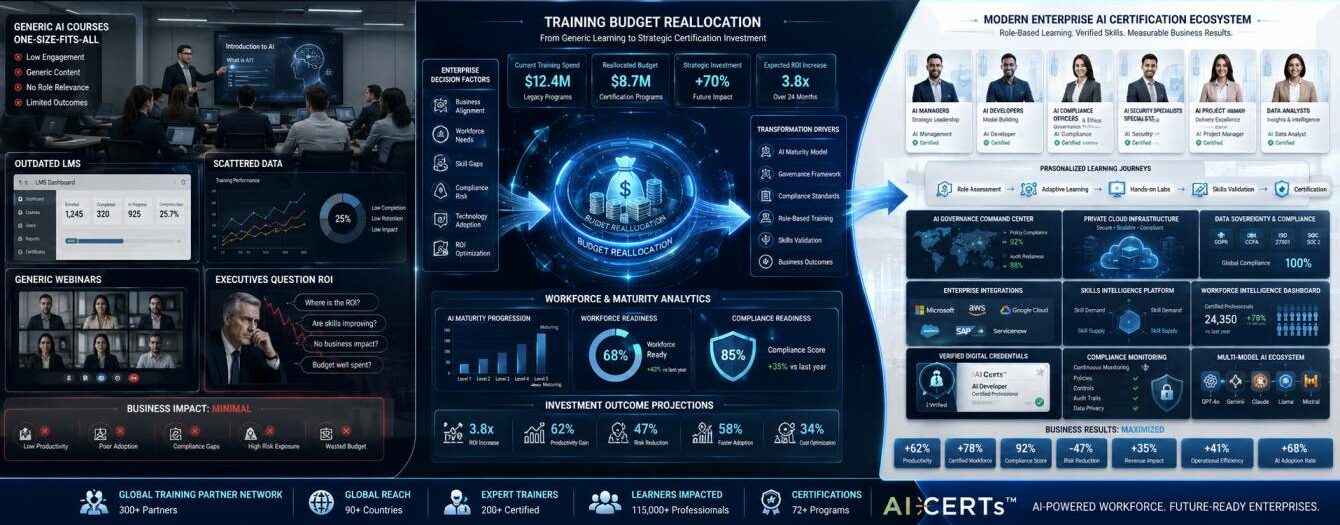
Enterprise AI Training Budgets: Where the Money Flows Now
June 12, 2026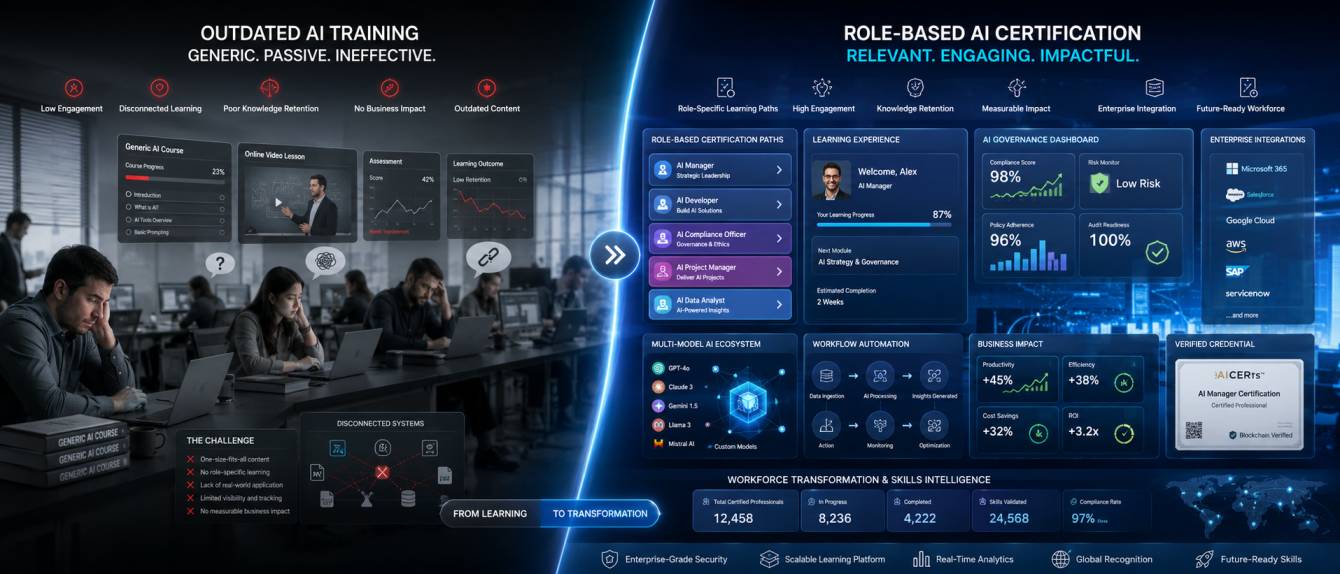
FEATURED
Why Enterprises Stopped Buying Generic AI Training
June 12, 2026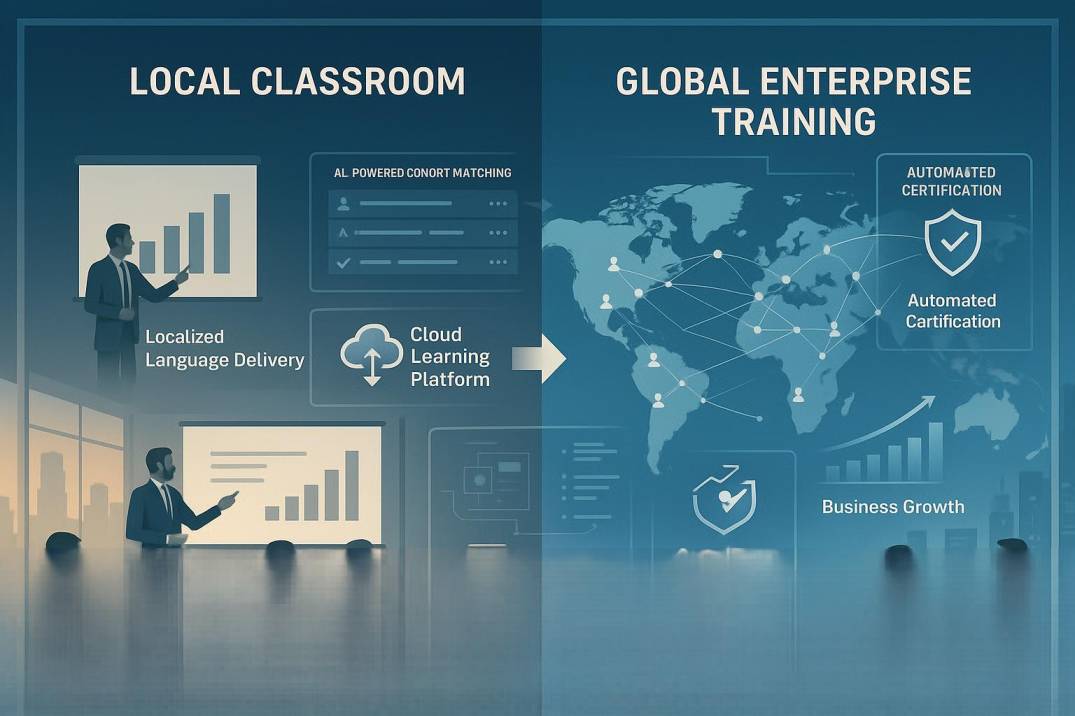
FEATURED
How to Scale From Local Workshops to Global Enterprise Cohorts Without Rebuilding?
June 12, 2026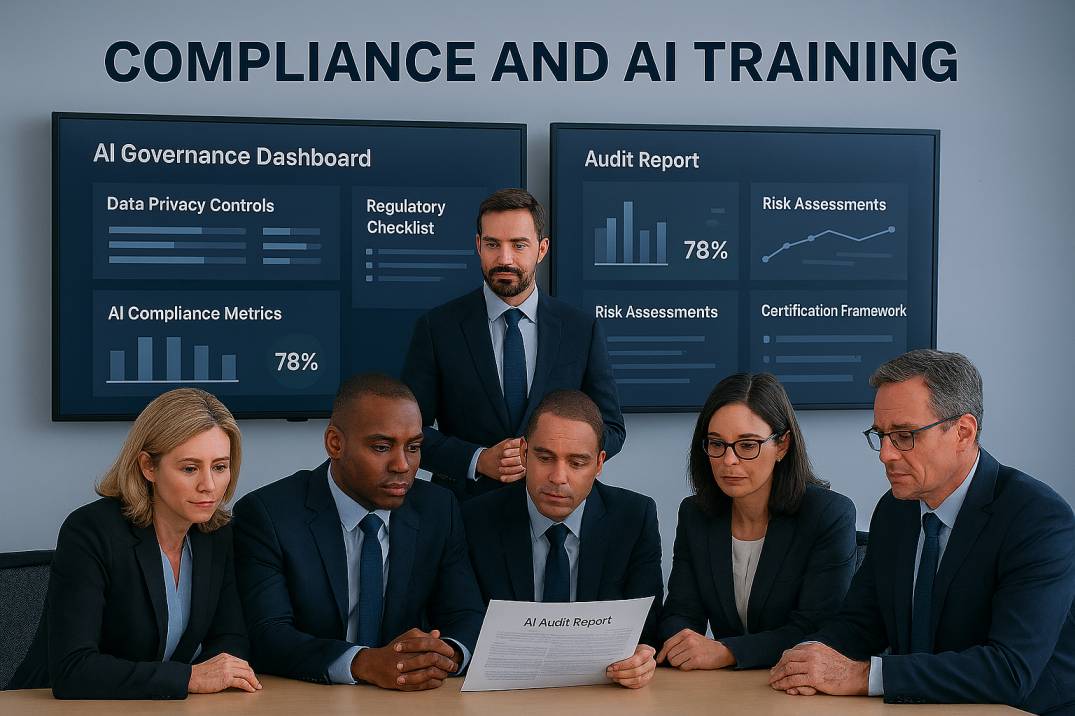
FEATURED
How Compliance Requirements Are Reshaping Enterprise Training Vendor Selection
June 10, 2026
FEATURED
What CIOs and L&D Leaders Demand from AI Training Partners Today
June 10, 2026