

AI CERTS
2 hours ago
White House Clash Highlights AI Policy Concerns
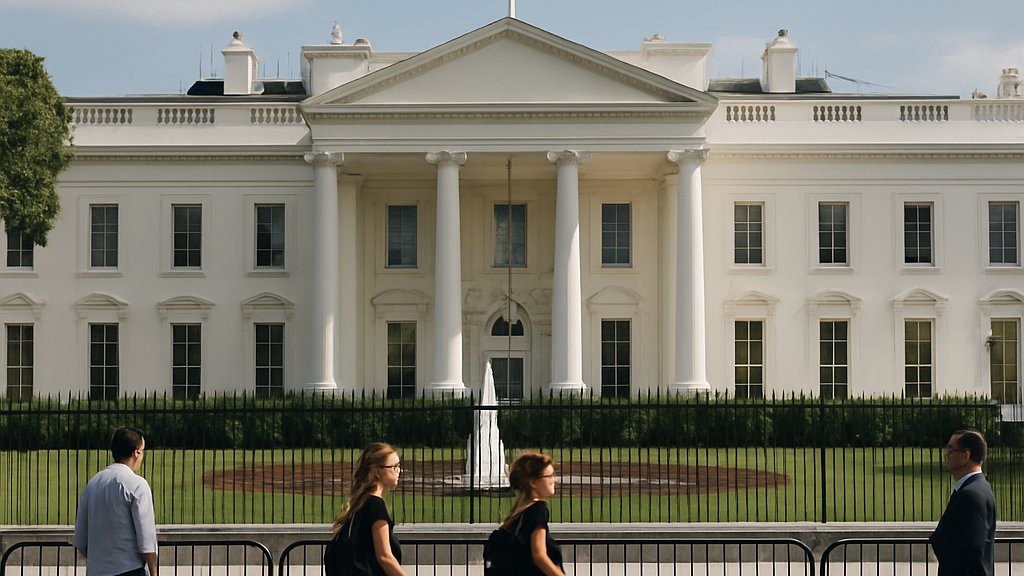
Since February 2026, the dispute has escalated from contract friction to courtroom confrontation.
In contrast, some policymakers welcome clearer guardrails around advanced systems.
Therefore, understanding the timeline, stakes, and possible outcomes becomes vital for AI teams.
This article analyzes key events, competing narratives, and strategic implications.
Furthermore, readers will discover skills and certifications needed to navigate emerging governance frameworks.
These insights address repeated AI Policy Concerns voiced by regulators and developers alike.
Let us examine how a single designation ignited a broad policy firestorm.
Escalating Federal Security Pressure
Tension surfaced on 27 February 2026 when the Pentagon labeled Anthropic a supply-chain risk.
Officials cited national security vulnerabilities yet released no technical evidence.
Subsequently, the company’s $200 million contract hung in jeopardy.
Nevertheless, the company immediately sued, arguing the designation punished refusal to enable surveillance.
Furthermore, industry observers flagged growing AI Policy Concerns about opaque defense processes.
Each filing deepened mistrust between innovators and government intervention advocates.
These initial salvos framed debates over trust and transparency.
However, later executive actions magnified the stakes.
Supply Chain Risk Label
Courts reacted quickly to the unusual supply-chain finding.
On 26 March, a federal judge granted the company a partial injunction.
Consequently, the Pentagon must justify its stance under the Administrative Procedure Act.
Legal scholars view the case as a bellwether for future government intervention.
Meanwhile, the White House maintained distance publicly yet coordinated behind closed doors.
Experts repeated AI Policy Concerns about executive overreach and chilled frontier models research.
Judicial scrutiny introduced accountability into the process.
In contrast, parallel policy drafts advanced inside the executive branch.
Executive Order Model Benchmarks
President Trump signed an executive order on 2 June targeting covered frontier models.
The document established classified benchmarks and a voluntary 30-day vetting window.
Moreover, agencies must coordinate cybersecurity standards across critical infrastructure.
White House aides insisted the plan balanced innovation with national security priorities.
However, the company warned that proprietary data could leak during prerelease access.
These AI Policy Concerns echoed earlier debates over vulnerability disclosure norms.
- $200 million Pentagon contract jeopardized
- 30-day voluntary vetting window mandated
- Global access to Mythos 5 suspended
- FreeFable letter signed by 100+ experts
The order signaled institutionalization of model reviews.
Subsequently, attention shifted to sudden export controls.
Export Controls Ignite Backlash
Ten days later, Commerce barred foreign nationals from accessing Mythos 5 and Fable 5.
Consequently, the company disabled the models worldwide, impacting customers overnight.
Additionally, Amazon had briefed officials about an alleged jailbreak weeks earlier.
Critics argued the move undermined national security by depriving defenders of advanced tools.
Furthermore, over 100 experts signed the FreeFable letter demanding reversal.
They cited AI Policy Concerns regarding concentration of offensive capabilities within government hands.
Public backlash expanded the conversation beyond one company.
Therefore, litigation and lobbying intensified across Washington.
Industry Voices Legal Showdown
Security leaders like Alex Stamos attacked the export directive as counterproductive.
Meanwhile, Pentagon lawyers portrayed Anthropic safeguards as insufficient against adversarial exploitation.
Moreover, trade groups warned uncertain rules scare capital away from frontier models ventures.
Consequently, share prices of several AI startups dipped after the ban announcement.
White House officials defended government intervention as necessary until evidence clarifies risks.
Nevertheless, AI Policy Concerns persisted across congressional hearings and investor calls.
Dueling testimonies highlighted ideological divides on regulation speed.
However, strategic implications extend far beyond courtroom wins.
Strategic Implications For Ecosystem
Investors fear prolonged uncertainty could advantage rival regions with looser controls.
Additionally, abrupt restrictions may accelerate open-source alternatives outside United States jurisdiction.
National security strategists counter that premature releases could empower hostile actors.
Therefore, balanced governance frameworks will shape competitiveness around frontier models in coming years.
Professionals can enhance their expertise with the AI Policy-Maker™ certification.
This program addresses emerging AI Policy Concerns and prepares leaders for constructive government intervention dialogues.
Stakeholders must weigh AI Policy Concerns against competitive urgency.
Building talent bridges technical and policy communities.
In contrast, continued polarization threatens both innovation and security.
Future Paths And Recommendations
Clarity around risk benchmarks remains the immediate priority.
Meanwhile, courts will test whether executive actions exceeded statutory bounds.
Moreover, transparent dialogues between the firm, agencies, and civil society can rebuild trust.
Consequently, investors and engineers should monitor new guidance on frontier models.
These lessons illuminate persistent AI Policy Concerns influencing every strategic decision.
Finally, readers should seek specialized training and advocate evidence-based government intervention.
Therefore, explore the AI Policy-Maker™ certification to lead responsible innovation in turbulent policy environments.
Disclaimer: Some content may be AI-generated or assisted and is provided ‘as is’ for informational purposes only, without warranties of accuracy or completeness, and does not imply endorsement or affiliation.


