Consequently, analysts now track a regional arms race in intelligent consumer platforms. Furthermore, the rollout arrives during strong corporate momentum after Grab reported record 2025 profits. Meanwhile, users in Southeast Asia will soon test the value of deeply woven, data-driven conveniences. Superapp AI sits at the heart of this strategy, orchestrating context, intent, and fulfilment inside a single mobile hub.
Market Momentum Signals
Southeast Asia’s digital economy topped US$200 billion last year. Consequently, competition for user attention intensified. Superapp AI gives Grab a storytelling edge by converting 20 billion historical rides and orders into personalised guidance. Moreover, the Early Access programme engaged 200,000 users and generated 4,000 product tweaks. These inputs forged confidence before public release. Therefore, investors see the launch as a logical scale play following 50 million monthly transacting users. In summary, market conditions favour ambitious platform expansions. Nevertheless, execution risks remain.
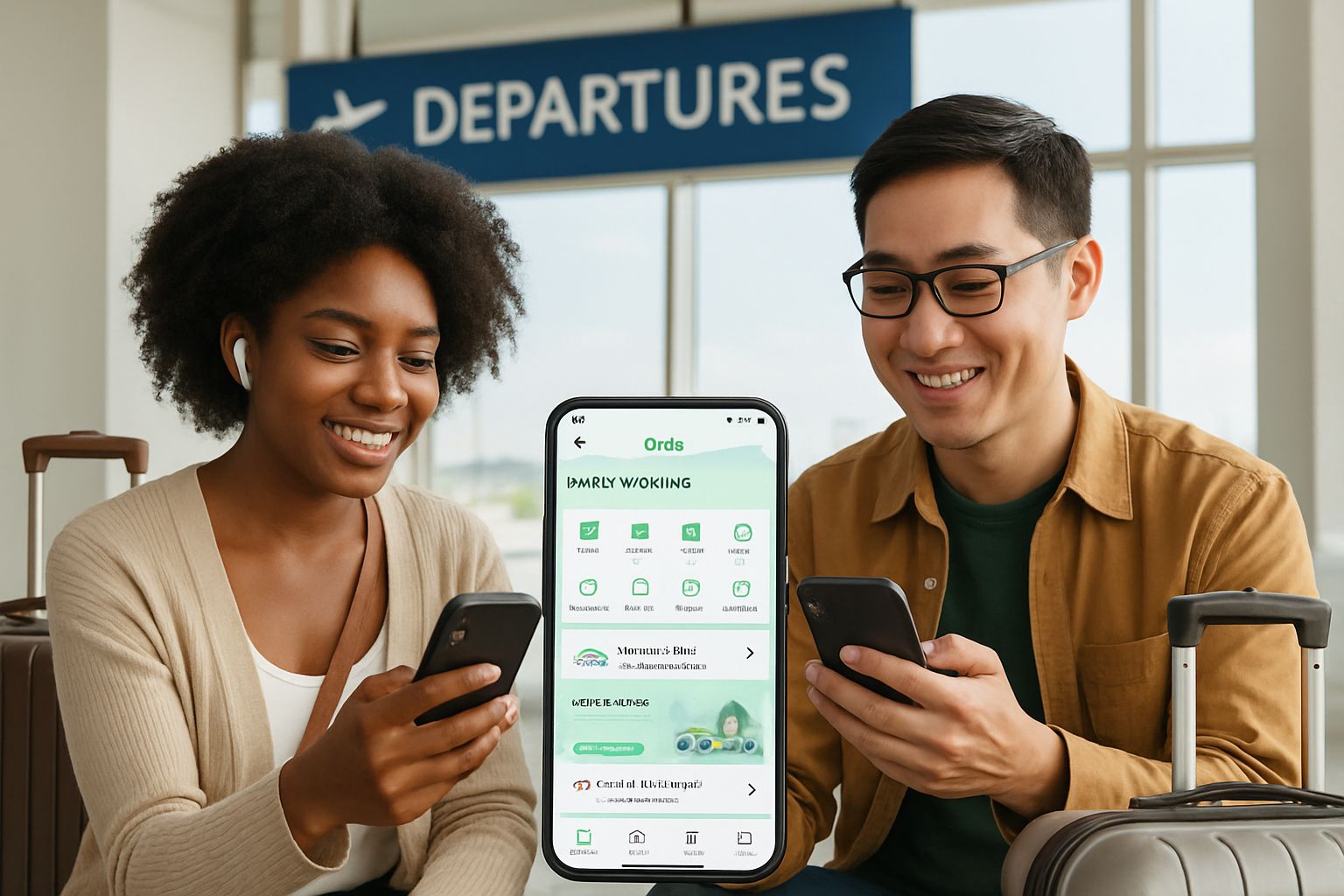
Travelers seamlessly engage with Grab's Superapp AI for smarter journeys.
These numbers contextualise the push. Subsequently, the article shifts to the specific feature set.
Thirteen New Features
The announcement bundled 13 customer-facing features across rides, food, travel, and payments. Additionally, phased releases respect regulatory timelines. Below is a distilled list highlighting core value propositions:
Group Ride slashes fares up to 40% by matching routes.
Grab More synchronises orders from multiple merchants without extra delivery fees.
An AI Assistant books, pays, and recommends via voice, text, or photos.
GrabMaps for Consumers layers parking, EV charging, and indoor navigation.
Personalised Travel Experience consolidates flights, reminders, and airport routing.
Discover by Grab curates hyperlocal dining and activity tips.
GrabStays offers hotel booking with same-day competitive rates.
Cross-border GrabPay removes the need for e-wallet top-ups abroad.
Virtual Store Manager uses computer vision to flag queues or hygiene lapses.
Cloud Printer automates order tickets and pauses inactive kitchens.
Tap to Pay turns merchants’ smartphones into card terminals.
Driver AI Assistant gives real-time guidance and income optimisation.
Cash Loan supplies tailored credit with flexible repayment.
Collectively, these features aim to deepen daily engagement. Superapp AI underpins each interaction, ensuring relevance and efficiency. Consequently, user friction decreases. The next section explores the technology that enables this orchestration.
Intelligence Layer Explained
Grab’s Intelligence Layer ingests signals from rides, orders, weather, and traffic. Moreover, large language models synthesise this data into actionable recommendations. Conversational queries trigger retrieval of partner inventory, real-time prices, and contextual actions. In contrast, traditional mobile flows silo information across separate screens. Superapp AI collapses those steps, letting users ask, “Plan dinner for four near my hotel,” then book transport and payment automatically. Additionally, computer-vision models process merchant CCTV, detecting footfall spikes or staff shortages. Therefore, operators receive timely alerts without investing in extra hardware. The architecture relies on scalable cloud partnerships, reportedly anchored on AWS. Consequently, reliability and latency remain aligned with mass-market expectations.
Technical integration drives seamless front-end experiences. However, travel use cases highlight consumer-facing benefits most clearly.
Travel Suite Benefits
Regional tourists frequently juggle airports, language barriers, and fragmented payment systems. Personalised Travel Experience tackles these pain points. Furthermore, cross-border GrabPay allows QR payments using stored cards, avoiding currency hassles. Discover by Grab layers community reviews with AI suggestions, surfacing underrated eateries within walking distance. Meanwhile, GrabMaps supplies indoor routing through terminals, showing gates, lounges, and nearby EV chargers. Consequently, the travel stack positions Superapp AI as a pocket concierge for millions of visitors moving through Southeast Asia. Early pilots start in Q3 2026, with broader availability by year-end.
Travel capabilities showcase how integrated data amplifies convenience. Subsequently, merchant and driver tools demonstrate similar efficiencies on the supply side.
Merchant Driver Tools
Virtual Store Manager converts existing cameras into operational dashboards. Moreover, AI counts queues and flags anomalies, prompting staffing shifts. Cloud Printer, meanwhile, eliminates missed tickets by syncing online and walk-in orders. Additionally, Tap to Pay lowers hardware costs for small vendors by using existing Android devices. Driver AI Assistant provides spoken policy guidance, passenger messaging, and route optimisation, reducing distractions. Consequently, partners may enjoy higher earnings and lower error rates. Grab limits manual overhead through automation, reinforcing platform loyalty.
These tools expand the ecosystem’s stickiness. However, regulatory and ethical considerations could influence adoption speed.
Risks And Regulation
Privacy laws across Southeast Asia continue to evolve. Therefore, computer-vision monitoring requires transparent consent processes and strict data retention limits. Additionally, embedded lending under Cash Loan must comply with local credit rules. Regulators may scrutinise algorithmic fairness and repayment terms. In contrast, voice assistants in vehicles must follow transport safety standards to prevent distraction. Moreover, any payment expansion hinges on central bank approvals for cross-border QR schemes. Nevertheless, proactive engagement with authorities can mitigate delays. Grab states that rollouts remain subject to approvals, underscoring a cautious expansion path.
Addressing these concerns will decide long-term viability. Subsequently, strategic implications warrant examination.
Strategic Outlook Ahead
Competitive pressure from regional superapps remains intense. However, Superapp AI differentiates through holistic orchestration rather than service count. Moreover, deeper data moats raise switching costs for consumers and partners. Financially, each incremental service widens revenue per user without heavy customer acquisition spending. Professionals seeking to ride this wave can enhance their expertise with the AI+ UX Designer™ certification. Consequently, design leaders will be better positioned to craft intuitive, privacy-aware experiences atop emerging intelligent layers.
Strategic alignment between technology, regulation, and experience will determine success. The concluding section distills final insights.
Conclusion And Action
Superapp AI represents a pivotal evolution in integrated consumer platforms. Moreover, Grab’s 13 intelligent features promise frictionless journeys, smarter commerce, and empowered partners across Southeast Asia. Nevertheless, data governance and regulatory hurdles demand meticulous execution. Industry professionals should monitor pilot metrics, privacy safeguards, and user adoption curves. Additionally, upskilling in human-centric AI design remains urgent. Therefore, explore advanced programmes and certifications to stay ahead. Embrace the era where context, intent, and fulfilment converge within a single mobile experience.
Disclaimer: Some content may be AI-generated or assisted and is provided ‘as is’ for informational purposes only, without warranties of accuracy or completeness, and does not imply endorsement or affiliation.