

AI CERTs
4 months ago
Google Photos AI animation transforms still memories
Motion once demanded complex tools. Today, Google Photos AI places cinematic animation inside every phone. The upgrade rolls advanced video generation, style remixing, and watermark safeguards into a single Create tab. Consequently, 1.5 billion monthly users can turn any still frame into a lively six-second clip within seconds. Moreover, privacy debates, legal carve-outs, and deepfake risks surround the launch. This article unpacks the timeline, technology, benefits, and challenges for professionals evaluating the feature.
Rollout Timeline Key Highlights
Google announced Photo to video on 23 July 2025. The feature began reaching US Android and iOS users the same week. Subsequently, the Remix style transfer tool arrived alongside a unified Create tab.
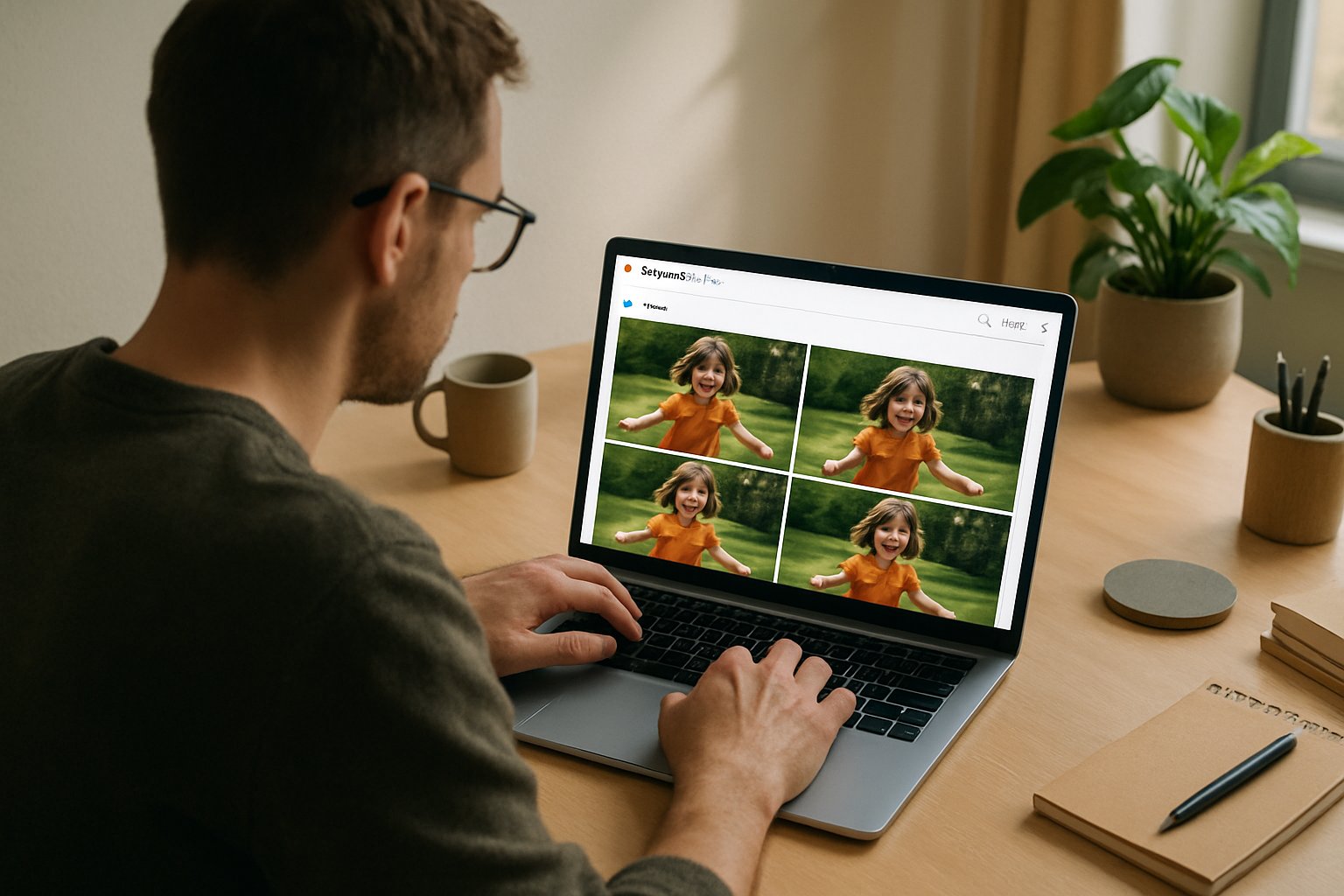
Veo 3 integration followed on 4 September 2025, extending clip length to eight seconds. Furthermore, Gemini subscribers gained synchronized audio. In January 2026 Google added Me Meme, signaling lighter, viral uses.
However, regulatory friction emerged. Google disabled conversational editing in Texas and Illinois due to biometric privacy laws. Nevertheless, the company promised broader access pending legal guidance.
Key dates recap:
- Jul 23 2025 – Photo to video debut
- Sep 04 2025 – Veo 3 upgrade
- Oct 16 2025 – State exclusions confirmed
- Jan 23 2026 – Me Meme rollout
These milestones show rapid iteration. Consequently, professionals must track regional availability before advising clients. The legal context sets the stage for our technical dive.
How The Tech Works
Photo to video employs Google’s Veo model. The system detects edges, infers depth, then synthesizes subtle motion. Additionally, Remix uses Imagen variants to redraw photos in anime, sketch, or comic aesthetics.
Users select simple AI image animation prompts such as “Subtle movements” or “I’m feeling lucky.” Meanwhile, the backend adds visible badges plus invisible SynthID watermarks. Therefore, viewers can verify provenance through compatible tools.
In Gemini, Veo 3 generates longer clips and optional audio. Moreover, subscribers receive higher monthly generation quotas than free-tier Photos users.
Two-line summary: The models automate motion and style while embedding safety tags. However, understanding adoption requires hard numbers, covered next.
Adoption And Usage Stats
Google Photos AI reaches unprecedented scale. The service stores over nine trillion assets and logs 370 million searches each month. Furthermore, Google reported more than 40 million Veo 3 videos generated within seven weeks of launch.
Google Photos AI delivers 210 million edits monthly. Consequently, even a modest conversion to video amplifies generative media online.
Professionals tracking AI image animation prompts should note user uptake metrics:
- 1.5 billion monthly Photos users
- ~440 million shared memories monthly
- 40 million Veo 3 videos in early adoption
These figures confirm mass exposure. Therefore, benefits and risks scale equally. The next section weighs creator advantages.
Key Benefits For Creators
First, accessibility rises. Anyone can animate memories without extra apps. Additionally, workflow integration means edits automatically sync across devices.
Second, engagement improves. Lively clips outperform static images on social platforms. Moreover, SynthID supports responsible disclosure, protecting brand integrity.
Third, professionals can upsell services. Wedding photographers, for instance, package animated highlights. Consequently, new revenue streams emerge.
Two-line summary: Google Photos AI empowers massive creative output and new business models. Nevertheless, every advantage carries shadow costs, examined below.
Critical Risks And Limitations
Deepfake misuse poses a prime threat. Researchers warn a dozen photos suffice for convincing counterfeit videos. Moreover, SynthID marks content yet cannot block malicious distribution.
Privacy compliance remains complex. In contrast to national rollouts, Texas and Illinois exclusions highlight regulatory unpredictability. Additionally, large archives invite scrutiny over consent and biometric handling.
Technical limits also exist. Free users face strict generation caps. Furthermore, outputs still show artifacts under challenging lighting.
Two-line summary: Threats range from legal penalties to reputational harm. Consequently, enterprises need governance frameworks before large-scale adoption.
Enterprise And Legal Context
Corporate compliance teams must monitor evolving biometric statutes. Furthermore, contract clauses should reference watermark retention and user consent.
Professionals can enhance expertise with the AI Security Level-1™ certification. Consequently, teams gain structured guidance on secure AI deployment.
Meanwhile, vendors integrating Google Photos AI into workflows should log feature availability by jurisdiction. Nevertheless, ongoing red-teaming is essential because threat patterns shift rapidly.
Two-line summary: Policy vigilance and workforce training mitigate many hazards. The discussion now turns to strategic forecasts.
Key Future Roadmap Considerations
Google signals longer clips, richer audio, and expanded prompt libraries. Additionally, expect tighter Gemini-Photos integration as subscription offerings mature.
Moreover, open standards for watermark detection will evolve. Consequently, interoperability across platforms could improve enforcement.
Analysts anticipate competitive responses from Apple and TikTok. Meanwhile, regulators may mandate provenance labels beyond voluntary programs.
Two-line summary: Roadmap dynamics remain fluid yet promising. Professionals should prepare flexible policies and monitor emerging AI image animation prompts for continuity.
In conclusion, Google Photos AI reshapes digital storytelling at planetary scale. However, ethical deployment demands vigilance, policy alignment, and technical literacy. Therefore, organizations must pair creative ambition with safeguards.
Disclaimer: Some content may be AI-generated or assisted and is provided ‘as is’ for informational purposes only, without warranties of accuracy or completeness, and does not imply endorsement or affiliation.


