

AI CERTS
2 hours ago
AMD Advances AI Memory Optimization With Untether, Brium Deals
Therefore, understanding how memory centric designs integrate with wider silicon ecosystems is essential. This article unpacks the deals, technology, market dynamics, and professional implications. Readers will learn why AI Memory Optimization matters across data center AI deployments.
AMD Strategy Expands Horizontally
AMD announced its Brium acquisition on June 4, 2025, extending its software reach. Subsequently, the company hired Untether AI's entire engineering group only a day later. Together, the moves reveal a horizontal plan spanning compilers, kernels, SoCs, and memory optimization expertise. However, Untether customers received notices that product support would cease immediately. The vendor stated the hires reinforce compiler and kernel skills needed for next generation system architecture.
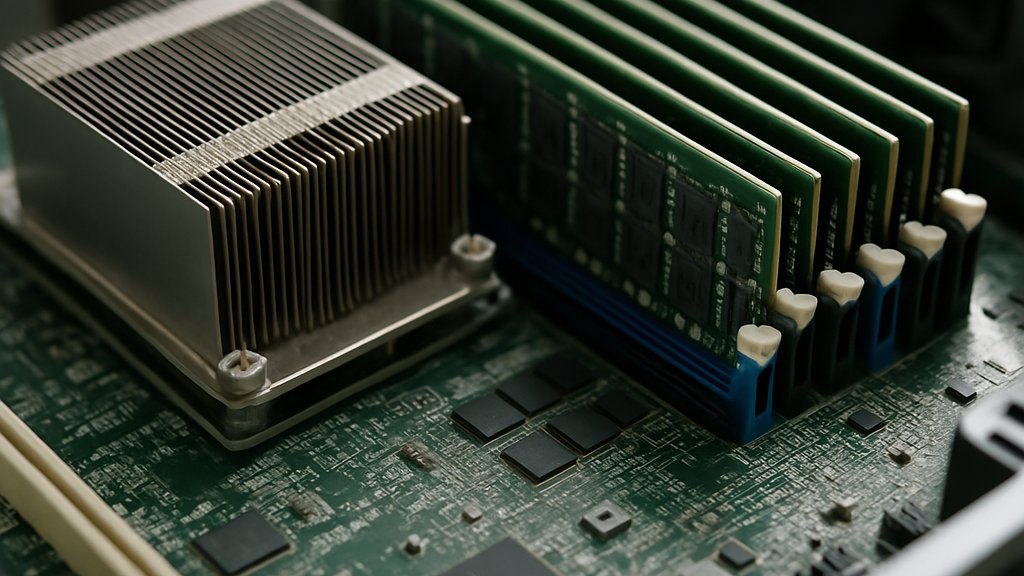
These acquisitions integrate software prowess with hardware ingenuity. Consequently, AMD positions itself for leading AI Memory Optimization across data center AI workloads.
Memory Centric Design Explained
In-memory compute pushes processing near data, reducing costly data shuttling. Furthermore, lower movement slashes latency and power, critical for inference at scale. Untether's speedAI240 cards showcased the model during MLPerf Inference v4.1 submissions. The company claimed 70,348 ResNet-50 samples per second and triple energy efficiency versus peers. Moreover, the Datacenter Closed Power test logged 309,752 queries per second at 986 watts.
- 70,348 samples/s ResNet-50 offline
- 309,752 server queries/s at 986 W
- Up to 6× edge efficiency versus competitors
Those numbers underline why AI Memory Optimization attracts intense attention. Nevertheless, integrating at-memory compute within mainstream chip infrastructure involves new toolchains and precision safeguards. Therefore, the pairing of compiler talent with memory architects addresses that challenge directly.
At-memory designs promise dramatic efficiency wins. However, real value emerges only when software ecosystems mature alongside AI Memory Optimization strategies. The market context clarifies why such maturity cannot wait.
Market Forces Drive Adoption
Gartner predicts data center systems spending will reach $788 billion in 2026. Consequently, hyperscalers demand accelerators that tame power budgets without sacrificing throughput. Energy bills already dominate operating expenses for large data center AI clusters. Moreover, sustainability mandates pressure procurement teams to favor efficient memory optimization approaches. In contrast, legacy GPU training rigs remain power hungry when repurposed for inference tasks. Therefore, the bet aligns with macroeconomic and environmental currents. Mext, a cloud marketplace tracking specialist hardware, notes rising inquiries for memory centric accelerators. Additionally, investment analysts tie willingness to pay premiums directly to demonstrable AI Memory Optimization gains.
Spending growth intensifies the hunt for efficiency. Consequently, vendors delivering strong AI Memory Optimization stand to capture outsized share. Customer considerations now shift from strategy to potential fallout.
Customer Impact And Risks
Untether clients were told support for speedAI products would end immediately. Consequently, integration projects risk stalling unless replacement roadmaps appear quickly. Meanwhile, the acquirer has not purchased Untether hardware assets, only the people. This acqui-hire leaves open questions about warranties, parts, and chip infrastructure compatibility. Furthermore, Mext analysts warn of stranded edge deployments lacking firmware updates or driver patches. Nevertheless, the firm insists the talent will accelerate future Instinct GPU inference roadmaps. Data center AI managers must weigh short term disruption against long term efficiency gains.
User disruption remains a tangible near term downside. However, strategic AI Memory Optimization benefits may offset migration pain for many enterprises. Competitive pressures illustrate why few can pause innovation despite risks.
Competitive Landscape Shifts Quickly
NVIDIA readies its Blackwell GPUs while Google refines next generation TPUs. In contrast, startups like NeuroBlade and MetisX pursue their own memory optimization solutions. Consequently, the talent pool behind Untether represented a rare acquisition opportunity. Additionally, chip infrastructure roadmaps now place equal emphasis on compiler layers and silicon. Mext research shows venture funding tilting toward hybrid memory compute concepts. Therefore, AMD's dual acquisition sends a signal that horizontal integration is vital. Nevertheless, rivals may respond with similar AI Memory Optimization partnerships or internal R&D boosts.
Competition will likely escalate efficiency wars. Subsequently, procurement teams must track AI Memory Optimization roadmaps closely. Professionals can prepare by sharpening relevant skills.
Upskilling For Future Architectures
Engineers fluent in compilers, kernels, and memory optimization enjoy rising market value. Furthermore, understanding data center AI power dynamics informs better architectural decisions. Professionals can boost expertise via the AI Architect™ certification. Moreover, Mext offers workshops comparing diverse chip infrastructure blueprints. Consequently, adopting a learning mindset ensures teams exploit emerging efficiency breakthroughs swiftly.
Upskilling aligns talent with tomorrow's architectures. Therefore, organizations future-proof operations while shortening time to value. Those benefits close the loop on AMD's strategic calculus.
Conclusion And Next Steps
Memory centric acceleration is moving from niche curiosity to boardroom mandate. Nevertheless, integration hurdles and customer transition pains remain genuine. The deals discussed illustrate how horizontal acquisitions blend software intelligence with silicon innovation. Consequently, efficiency gains can outstrip power and cost constraints plaguing data center AI growth. Professionals who reskill early will guide deployment decisions and protect operational agility. Explore certifications and market reports to keep pace with the evolving compute landscape. Moreover, ensure vendor roadmaps align with long term support commitments before committing capital. Take action today and position your teams for the next efficiency wave.
Disclaimer: Some content may be AI-generated or assisted and is provided ‘as is’ for informational purposes only, without warranties of accuracy or completeness, and does not imply endorsement or affiliation.


