

AI CERTS
1 hour ago
Texas AI Data Centers Spark Resource, Housing & Political Fights
Stargate is hardly alone. Moreover, Microsoft, Vantage, and other hyperscalers have mapped gigawatt footprints across Texas. Each AI data center proposal promises jobs yet triggers local backlash before permits clear. Therefore, understanding the forces behind this hyperscale campus wave matters for planners, investors, and residents alike. This article unpacks project economics, resource strains, and infrastructure politics shaping the Lone Star digital boom. Consequently, dispute lines in Abilene foreshadow battles brewing in other counties.
Gigawatt Growth Sparks Debate
Texas regulators approved more than 4 GW of new compute load since 2024, industry trackers confirm. Consequently, Abilene’s Stargate alone could draw 900 MW during initial phases. That capacity equals a mid-size city and underscores why AI Data Centers now dominate utility hearings.
Developers frame the buildout as inevitable. However, CBRE estimates North American firms have already announced $500 billion for AI data center construction. Investors view AI Data Centers as real-estate and utility plays combined. Nevertheless, public utility commissions now schedule monthly briefings dedicated to grid impacts. Furthermore, analysts warn transmission expansion lags demand, pushing operators toward onsite gas turbines.
- 1,700 direct operational jobs projected at Stargate.
- 6,400 peak construction workers installed steel in late 2025.
- $25 billion earmarked for Vantage’s 1.4 GW campus.
- Hundreds of billions committed nationwide through 2025.
These figures excite chambers of commerce. In contrast, community advocates stress that most positions disappear once walls close. Early numbers reveal staggering scale yet uneven permanence. Next, resource pressures show where friction intensifies.
Water, Power, Housing Strains
AI Data Centers devour electricity, but cooling water often sparks louder alarms. Moreover, Stargate’s closed-loop system still needs millions of gallons yearly for drift losses. Sam Altman admitted the site may burn gas until renewables scale, magnifying emissions worries. Without upgraded substations, AI Data Centers could trigger wider brownouts during summer peaks.
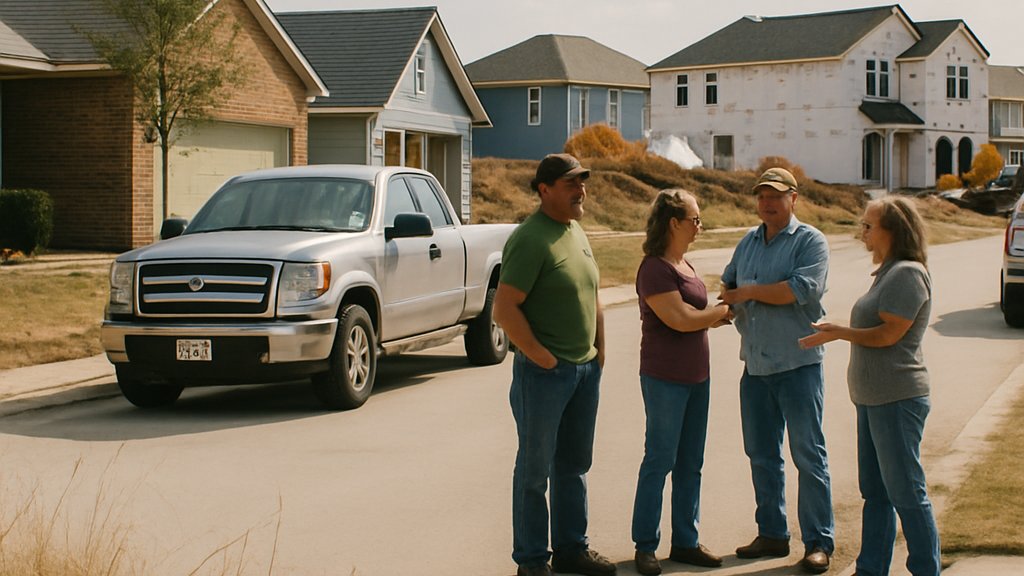
Meanwhile, Abilene’s hotels, RV parks, and rentals filled with itinerant welders and electricians. Consequently, average monthly rents jumped 17 percent in 18 months, Time reported. In contrast, many longtime residents on fixed incomes face eviction notices.
Water permits, grid interconnects, and zoning waivers move faster than housing mitigation plans. Therefore, local backlash intensifies as workers outbid teachers for scarce apartments. Resource constraints manifest as visible household stress. However, promised economic gains keep officials negotiating. Economic trade-offs now dominate council chambers.
Economic Promises And Limits
OpenAI, Oracle, and officials tout rising sales-tax collections and hotel receipts. Additionally, Abilene Chamber projects $300 million annual regional output once operations stabilize. Nevertheless, permanent payroll counts remain small compared with construction peaks.
Across Texas, incentive packages often waive property taxes for a decade or more. Consequently, critics argue upfront revenue may not offset foregone levies on depreciating hardware. MediaJustice notes many contracts lack local hire guarantees beyond vague targets.
Yet supporters cite indirect multipliers from suppliers, drone inspections, and security firms. In contrast, housing advocates demand binding funds for affordable units before ground breaks. City planners admit AI Data Centers raise taxable valuations yet complicate service budgeting. Economists at a nearby university track real estate inflation near large campuses versus control counties. Preliminary models suggest rent spikes fade only when construction caravans relocate to the next boomtown. Economic claims remain contested and data sparse. Political negotiations therefore shape who truly benefits. Those negotiations increasingly unfold under intense spotlights.
Political Deals Under Scrutiny
Hyperscale campus proposals arrive with lobbyists, lawyers, and templated tax agreements. Moreover, county commissioners sometimes approve abatements within weeks, citing competitive pressures. Therefore, watchdogs question transparency and potential regulatory capture.
ERCOT must green-light massive interconnection queues, yet local councils still bear public ire. In contrast, state officials praise digital infrastructure as critical for national security. These dynamics illustrate infrastructure politics at its most granular.
Subsequently, Microsoft’s takeover of some stalled Stargate phases reignited debate around contingency clauses. Nevertheless, officials kept agreements secret citing trade secrets, frustrating journalists. Campaign donations from AI Data Centers operators now appear in many county filings. Closed-door bargaining fuels mistrust among residents. Next, market forces add another layer of complexity.
Grassroots organizers now hold sidewalk teach-ins explaining how data-center subsidies affect utility rates. Moreover, pamphlets detail emergency planning gaps if server farms lose power during storms. These efforts aim to convert diffuse frustration into strategic local backlash that influences permit hearings.
Industry Context And Forecast
CBRE’s H2 2025 report shows record absorption as GPUs stay supply-constrained. Furthermore, Global Data Center Hub ranks North America as the largest global market. Consequently, analysts expect double-digit megawatt growth through 2028 despite transmission bottlenecks.
Hyperscalers chase cheap land, permissive zoning, and abundant wind power across rural Texas. However, grid congestion in West Texas could impose curtailments without new lines. Industry executives now see onsite gas turbines as insurance against delays, intensifying carbon concerns. Each hyperscale campus now competes for the same limited transformer inventory.
A second wave of 1 GW proposals circles Dallas, Corpus Christi, and border towns. Moreover, each AI data center blueprint references AI acceleration as national competitiveness imperative. We therefore anticipate swelling permitting fights unless siting governance adapts. Consultants predict AI Data Centers demand in Texas will triple by 2030. Each hyperscale campus expansion will further test regional infrastructure politics across utility boards.
Market momentum appears unstoppable in the near term. Yet sustainability demands cannot remain side notes. Potential solutions deserve focused attention. The next section explores viable mitigation strategies.
Paths Toward Sustainable Builds
Operators pursue clean-energy PPAs, immersion cooling, and recycled wastewater to blunt criticisms. Additionally, some pledge community benefit agreements funding housing trusts and workforce training. Professionals can deepen insight through the AI Sustainability Specialist™ certification.
Crusoe Energy experiments with flare-gas power, reducing methane while hosting inference workloads. Meanwhile, Microsoft evaluates onsite battery farms to shift load away from evening peaks. However, advocates demand enforceable metrics rather than marketing slides.
In contrast, regional co-ops explore geothermal wells that recycle produced water for AI data center cooling loops. Such pilot programs may scale across future hyperscale campus sites if costs decline. Nevertheless, funding gaps remain because federal grants prioritize broadband over heavy compute hubs.
- Transparent water-use reporting each quarter.
- Guaranteed apprenticeship ratios for local hires.
- Incremental renewable additions matching campus load.
- Independent health impact assessments pre-construction.
Transparent water reporting and apprenticeship quotas top many advocate wish lists. These measures could temper local backlash and align investor ESG goals. Consequently, AI Data Centers may secure durable social licenses if commitments stick. Stakeholder alignment remains achievable yet requires deliberate planning. The discussion now turns to responsibilities ahead.
Conclusion And Takeaways
Texas stands at the forefront of an unprecedented digital land rush. Gigawatt projects promise growth yet expose water, housing, and emissions vulnerabilities. However, recent debates show benefits will not distribute themselves automatically. Local backlash highlights gaps in governance, while infrastructure politics determine which voices prevail. Consequently, AI Data Centers must integrate sustainability, transparency, and housing action into every groundbreaking.
Operators that negotiate robust community benefits can secure long-term operating certainty. Meanwhile, policymakers should tie incentives to measurable social and environmental metrics. Industry professionals can lead this evolution by studying emerging standards and pursuing specialized sustainability certifications. Explore next-generation guidance, deepen expertise, and shape responsible growth today.
Disclaimer: Some content may be AI-generated or assisted and is provided ‘as is’ for informational purposes only, without warranties of accuracy or completeness, and does not imply endorsement or affiliation.


