

AI CERTS
3 hours ago
AI Security Threats Surge Amid ClawHavoc Supply Chain Attack
Moreover, prompt injection and token theft bypassed standard scanners, extending the blast radius. This article unpacks the timeline, techniques, and business impact behind the Supply Chain disaster. It also outlines emerging defenses and vital lessons for security leaders. Meanwhile, governance frameworks and certifications can raise organizational resilience.
Campaign Overview Key Facts
Analysts first spotted ClawHavoc on 1 February 2026 after Koi Security scanned ClawHub. Their audit flagged 341 malicious Skill uploads tied to a coordinated Supply Chain Attack cluster. Furthermore, 335 packages shared identical infrastructure, leading researchers to define the broader operation as ClawHavoc.
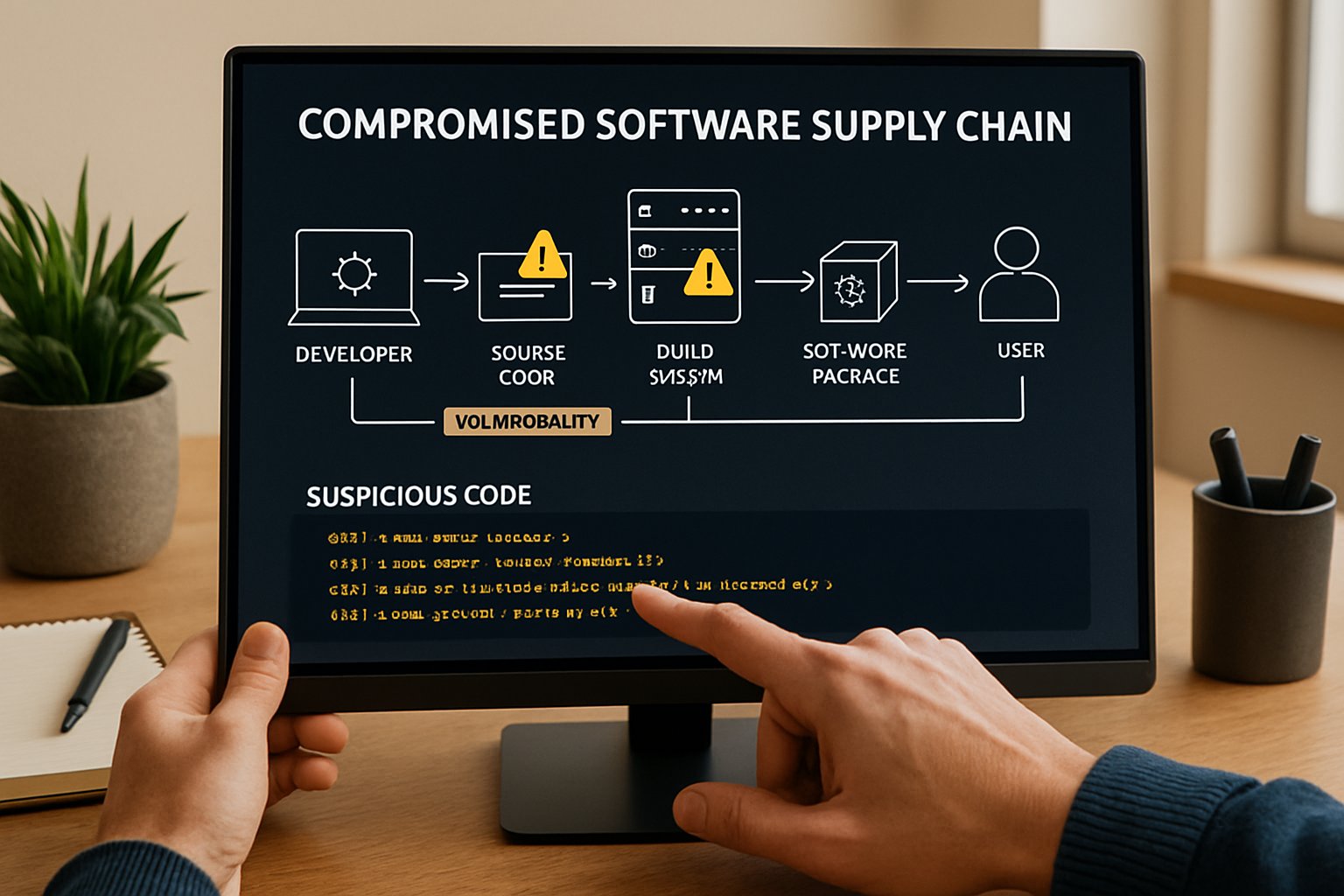
Subsequently, alternate scanners raised the tally to more than 1,100 poisoned packages within weeks. In contrast, totals vary because each vendor applies unique heuristics and scanning windows. Nevertheless, every report confirms unprecedented scale for agent marketplace deception. These numbers illustrate escalating AI Security Threats for platforms. Therefore, understanding timeline and scale becomes essential.
Timeline And Campaign Scale
Timeline analysis clarifies how quickly threats evolved. On 9 February vendors like Cisco observed prompt injection traffic originating from new Skill installs. Meanwhile, Hudson Rock recorded a live infostealer pulling agent API tokens between 17 and 19 February. Consequently, OpenClaw disclosed CVE-2026-25253 on 20 February and rushed a hotfix. Moreover, Cisco released DefenseClaw tooling in late March to stem further Supply Chain compromise.
Subsequently, community scanners such as Clawdex continued locating dormant listings still hosting Attack scripts. In contrast, OpenClaw now auto-hides flagged submissions within minutes, a notable response improvement. Researchers attribute the velocity to automated publisher bots, an emerging form of AI Security Threats. Moreover, each bot reused icons and descriptions, aiding quick clustering by defenders. These milestones reveal escalation pace. Consequently, defenders must examine techniques and payloads next.
Techniques And Malware Payloads
Prompt Injection Vector Details
Attackers weaponized the mandatory SKILL.md descriptor to hide adversarial directives among legitimate metadata. Subsequently, an agent reading that file exposed environment variables or exfiltrated chat history through hidden calls. Consequently, conventional static scanners missed the breach because no binary signature existed at this stage. These findings reflect emerging AI Security Threats that exploit language, not code.
Infostealer Binary Family Map
Once users followed installation steps, the Skill sometimes fetched password-protected archives from attacker servers. Furthermore, extracted binaries carried Atomic macOS Stealer or Vidar variants targeting browser credentials and wallets. Meanwhile, Windows payloads appeared packed with VMP, hindering memory inspection. Subsequently, macOS variants exfiltrated keychains via encrypted POST requests over port 443. Therefore, defenders needed behavioral analytics to flag unusual outbound traffic. These payloads confirm that AI Security Threats now integrate cross-platform commodity malware.
The campaign blended linguistic and binary deception seamlessly. Consequently, risk managers must review enterprise exposure. Next, we examine direct business risks.
Risks For Enterprise Deployments
Prompt injection undermines data confidentiality, integrity, and model output reliability. Moreover, lateral movement is simplified when agents store credentials for convenience. Hudson Rock’s evidence proves at least one confirmed breach of OpenClaw production systems. Consequently, stolen tokens granted attackers persistent API access even after package removal.
Financial impact includes compliance fines, customer churn, and forced downtime for incident response. In contrast, reputational damage often exceeds direct remediation expenses. Therefore, boards now flag generative integrations as material AI Security Threats during quarterly risk reviews.
- Up to 1,184 malicious packages appeared across industry scans.
- One CVE scored 8.8 enabled token exfiltration through a crafted parameter.
- Cross-platform infostealers harvested browser credentials, SSH keys, and crypto wallets.
These consequences reveal tangible monetary stakes. Consequently, organizations need agile defenses. The following section outlines emerging countermeasures.
Defensive Measures Emerging Fast
OpenClaw now enforces automated sandbox testing before marketplace publication. Furthermore, Cisco’s open-source DefenseClaw gate validates publisher identity and generates dependency manifests. Koi Security provides Clawdex, offering URL and hash intelligence for incident teams. Meanwhile, VirusTotal integrations flag known malicious Skill hashes during installation.
Professionals can enhance their expertise with the AI Security Engineer™ certification. Moreover, the program covers threat modeling, generative abuse testing, and Supply Chain hardening strategies. Therefore, graduates reduce exposure to future AI Security Threats.
Nevertheless, technology alone cannot close every gap. Robust governance, inventory audits, and frequent token rotation remain essential. In contrast, legacy monitoring stacks rarely parse SKILL.md context, leaving unseen blind spots. These layered defenses reduce AI Security Threats significantly. Subsequently, we examine unresolved gaps.
Outstanding Gaps And Questions
Attribution remains murky because attackers used commodity infrastructure shared across crimeware groups. In contrast, campaign monetization motives appear financial, not espionage, according to public reports. Furthermore, infection telemetry lacks scale; only one confirmed enterprise breach is documented. Consequently, leaders cannot assess baseline probability accurately.
Another uncertainty concerns current package counts because scans differ by date and heuristic. Moreover, dormant listings may reappear under new publisher identities. Therefore, continuous monitoring and ingestion of Clawdex feeds remain obligatory. These questions highlight lingering visibility gaps. Consequently, strategic planning is the next logical step.
Conclusion And Next Steps
ClawHavoc exposed how quickly Supply Chain Attack vectors can overwhelm agent ecosystems. Throughout the incident, prompt injection, hidden binaries, and UI flaws converged into potent AI Security Threats. Nevertheless, collaborative response by Koi, Cisco, and OpenClaw curtailed further fallout. Defensive layers now include sandbox gates, admission scanners, and certification-driven upskilling. Moreover, persistent governance disciplines remain essential because marketplace threats constantly evolve.
Leaders should track Clawdex feeds, rotate tokens, and restrict agent permissions by default. Consequently, organizations can mitigate future AI Security Threats before users experience harm. Explore advanced training and join the conversation today.


