

AI CERTS
1 hour ago
AI Political Funding Reshapes 2026 Races
Meanwhile, watchdogs fear hidden donors will shape policy without public scrutiny. Moreover, campaign strategists already adjust messaging to either embrace or restrain algorithmic innovation. This article unpacks the money flows, legal structures, and strategic stakes behind the surge. Readers will gain data-driven insight useful for corporate planning and civic engagement. Finally, we spotlight certifications that strengthen policy literacy for professionals steering responsible innovation.
Super PAC Money Surge
Leading the Future raised more than $75 million, according to March 2026 FEC filings. Additionally, its affiliated Think Big and American Mission committees combined for another $20 million. Collectively, this campaign spending gives pro-innovation forces unmatched early influence.
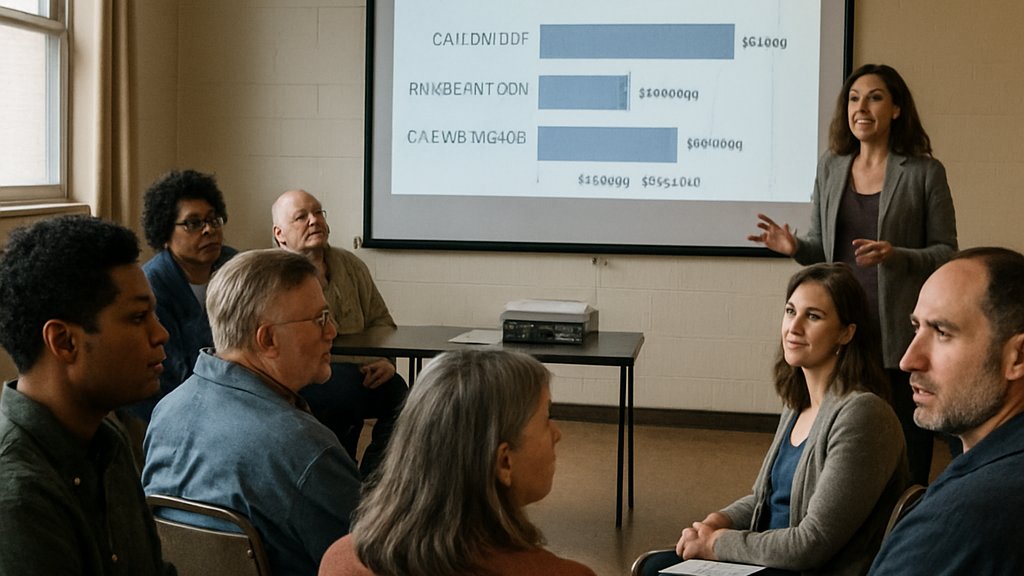
AI Political Funding now rivals defense industry cash for federal races. Moreover, the network reports $51 million still available for rapid deployment. Consequently, candidates in swing districts court these donors despite potential backlash.
Spokespeople Zac Moffatt and Josh Vlasto claim the money protects economic leadership. In contrast, critics warn the sums will drown nuanced debate. These divergent narratives set the tone for the weeks ahead.
Massive receipts show the scale of commitments shaping the race. However, funding channels are growing even more complex, as the next section explains.
Dark Money Channels Rise
Beyond super PACs, 501(c)(4) groups operate as social-welfare nonprofits with minimal disclosure. Public First Action, backed by Anthropic’s $20 million gift, exemplifies this shadow network. Furthermore, Build American AI routes anonymous donations toward pro-innovation ads.
Watchdogs call these pathways the new frontier of AI Political Funding. Nevertheless, donors favor them because contributor names remain sealed. Consequently, voters struggle to trace motivations behind glossy television spots.
- Leading the Future: $51 million cash on hand as of March 2026.
- Public First Action: $20 million infusion announced February 2026.
- Texas races: $2.8 million independent expenditures tracked by local media.
Overall campaign spending already surpasses last cycle’s totals for comparable dates.
These figures highlight how opaque accounts amplify spending power. Therefore, the upcoming regulation fight gains urgency.
Regulation Fight Intensifies
Two ideological camps now battle in a regulation fight over prospective federal rules. Pro-innovation donors push lighter oversight to accelerate deployment. Meanwhile, pro-safety coalitions demand transparency, audits, and enforceable standards.
AI Political Funding bankrolls messaging that frames regulation as either patriotic or fatal to competitiveness. Moreover, Anthropic’s contribution signals that some labs support guardrails rather than blanket deregulation. In contrast, OpenAI-aligned investors lobby for flexible guidelines.
Lawmakers receive conflicting white papers, polling memos, and constituent petitions every week. Consequently, committee hearings have grown combative as witnesses cite dueling statistics. The clash will likely define legislative calendars after November.
The regulatory narrative influences voter attitudes about innovation risk. Next, we examine direct effects on specific midterm elections.
Impacts On Midterm Elections
Spending patterns already shape primaries in New York and Texas. LTF affiliates ran negative ads against Democrat Alex Bores in Manhattan. Additionally, American Mission targeted several Republican hopefuls across Texas districts.
Analysts link swing-state polling shifts to AI Political Funding saturation in digital advertising. Consequently, local media markets see bidding wars that crowd out smaller voices. Campaign spending on AI issues now rivals healthcare talking points.
Midterm elections traditionally hinge on turnout; however, algorithmic advertising personalizes persuasion at scale. Moreover, microtargeted messages allow donors to test narratives overnight. These tactics could redefine field operations for future cycles.
Voters may not recognize the industry fingerprints guiding narratives. Aggressive outreach strategies also reveal the depth of tech lobbying influence, our next focus.
Aggressive Tech Lobbying Tactics
Cash is only one lever; direct lobbying escalates in parallel. Former congressional staff now advise AI firms on committee dynamics. Furthermore, town hall events sponsored by 501(c)(4)s provide subtle campaign assistance.
Tech lobbying budgets climbed 18 percent year over year, according to disclosure databases. AI Political Funding magnifies that trend by underwriting research presented during closed-door briefings. Consequently, lawmakers receive coordinated pressure from both PAC ads and policy memos.
Stakeholders without comparable resources fear exclusion from policymaking rooms. Nevertheless, civil society alliances attempt to supply counter expertise. Some advocate public funding for independent AI impact studies.
Lobbying maneuvers complement paid media, creating a full-spectrum influence effort. Yet, transparency and legal scrutiny could disrupt those tactics, as discussed next.
Transparency And Legal Risks
The Campaign Legal Center filed an FEC complaint alleging subvendor schemes within Leading the Future’s disbursements. Additionally, critics say vendor LLCs mask the true destination of campaign spending dollars. Consequently, regulators may broaden audit scopes before certification of election results.
AI Political Funding faces potential enforcement actions if coordination with candidates is proven. However, legal precedents show investigations often outlast election cycles. Moreover, 501(c)(4) secrecy limits investigative reach unless Congress revises disclosure laws.
Investors fear that protracted probes could chill donations, slowing U.S. innovation drives. In contrast, advocates argue transparency builds durable legitimacy for the sector. Therefore, compliance teams now monitor filings weekly to avoid reputational harm.
Legal uncertainties keep finance chiefs cautious yet engaged. The final section distills strategic lessons for 2026 stakeholders.
Strategic Takeaways For 2026
Companies considering political engagement should map clear objectives before wiring funds. Moreover, diversified vehicles within AI Political Funding provide flexibility yet raise governance concerns. Compliance experts advise real-time disclosure even when statutes do not insist.
Boards ought to weigh return on influence against headline risk. Additionally, scenario planning should include possible shifts in committee leadership after midterm elections. Consequently, balanced portfolios across bipartisan entities may hedge policy volatility.
Nevertheless, organizations cannot ignore how AI Political Funding shapes public perception across districts.
- Set internal spending caps aligned with materiality thresholds.
- Audit vendor chains to prevent hidden coordination.
- Invest in public education alongside direct lobbying.
Professionals can enhance their expertise with the AI Policy Maker™ certification. The program offers structured guidance on ethical advocacy and compliance.
Strategic discipline will determine whether funding advances innovation or triggers backlash. Careful execution positions enterprises to shape policy responsibly.
Consequently, the 2026 landscape offers a revealing stress test for democratic financing. AI Political Funding now rivals oil and defense money in strategic importance. Moreover, the regulation fight will decide whether Congress enacts robust safeguards or defers to industry. Campaign spending appears poised to break fresh records as tech lobbying sharpens tactics. Nevertheless, transparency debates promise ongoing investigative headlines that may sway midterm elections. Professionals should monitor filings, reinforce governance, and brief executives on evolving risks. Additionally, professionals can enroll in the linked certification to master ethical advocacy skills. In closing, pursue knowledge and act responsibly to guide artificial intelligence toward public benefit.
Disclaimer: Some content may be AI-generated or assisted and is provided ‘as is’ for informational purposes only, without warranties of accuracy or completeness, and does not imply endorsement or affiliation.


