

AI CERTS
2 hours ago
Light AI’s Digital Clinical Lab Targets Rapid Strep Diagnostics
Consequently, clinicians may soon triage patients in minutes rather than days. Regulators and investors are watching closely because stakes span public Health, cost control, and antimicrobial stewardship. Furthermore, early financial filings reveal both impressive algorithm metrics and unresolved commercialization hurdles. This report unpacks the evidence, milestones, and gaps surrounding Light AI’s first market push. Readers will gain a clear map of next steps, opportunities, and cautionary flags. Ultimately, informed evaluation of any Digital Clinical Lab depends on transparent data and rigorous oversight.
Global Health Burden Overview
Group A Streptococcus infects roughly 600 million throats yearly, endangering many children. Moreover, untreated cases can advance to rheumatic heart disease, a chronic killer in low-income regions. Current Diagnostics rely on swabs and culture or antigen tests, each demanding trained staff and supplies. In contrast, remote communities often lack laboratories, forcing empirical antibiotics that fuel resistance.
Therefore, a portable Digital Clinical Lab could close access gaps while preserving precious antimicrobials. These epidemiological realities underline urgent market need. Subsequently, technology vendors see a sizable addressable problem.
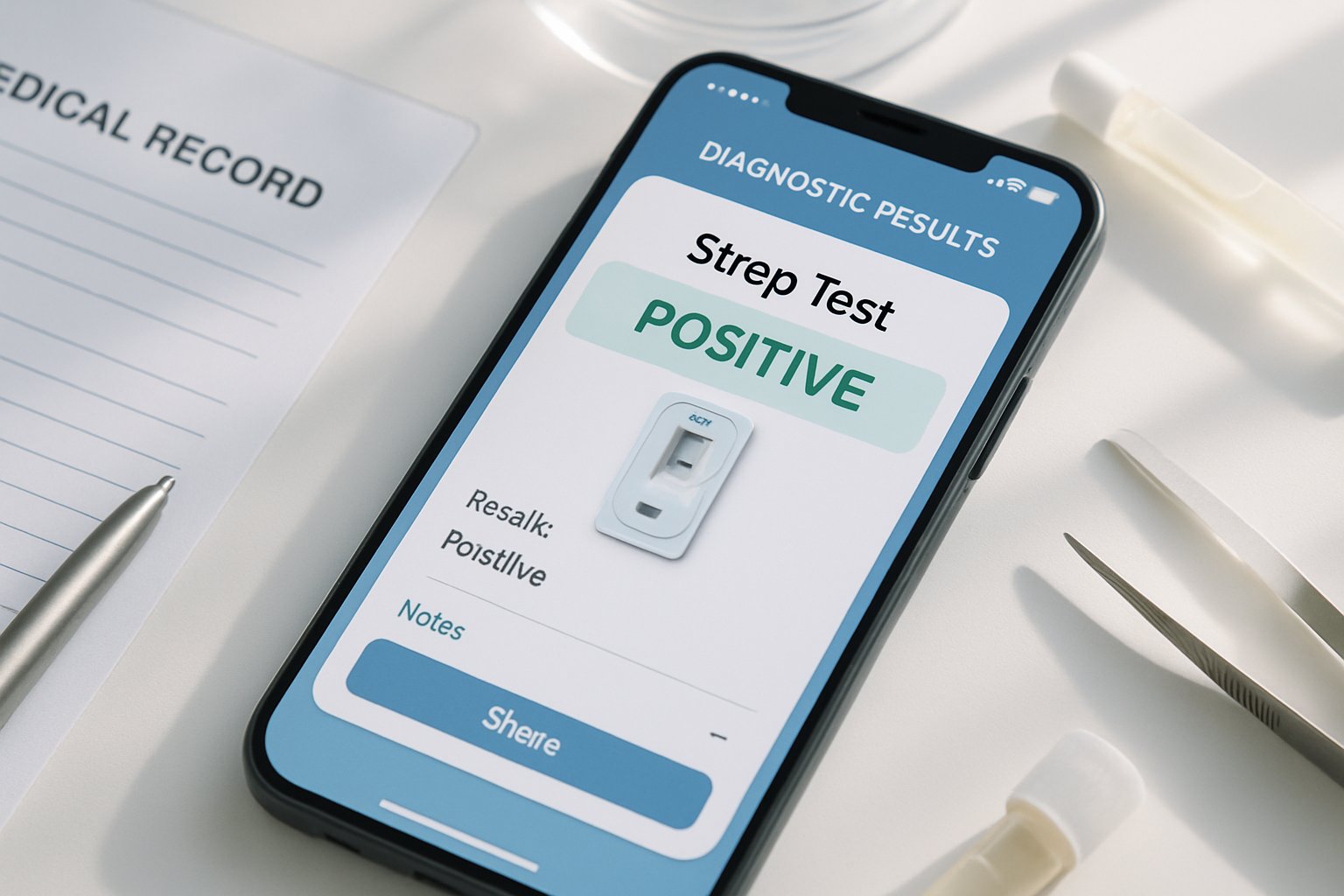
Smartphone Digital Clinical Lab
Light AI calls its smartphone and cloud pipeline a Digital Clinical Lab housed inside an everyday camera. Meanwhile, the App captures short video of the oropharynx, segments tonsillar landmarks, then uploads frames securely. A convolutional network analyzes texture and color, predicting bacterial or viral etiology within thirty seconds. Light AI brands the capture workflow QuickScan, emphasizing simplicity for parents, nurses, and pharmacists. Additionally, the same infrastructure may expand toward eye ulcers, skin lesions, and dental caries.
The company reports training on 280,000 images gathered across Canada, the United States, and Uganda. Consequently, developers claim robustness across lighting conditions and device generations. Professionals can enhance their expertise with the AI in Healthcare™ certification. These design choices promise scale. However, performance numbers still need external confirmation, as explored next.
Algorithm Performance Metrics Review
Pre-FDA validation studies show 96.57 percent accuracy against gold standard throat culture. Moreover, negative predictive value allegedly reaches 100 percent when distinguishing viral from bacterial pharyngitis.
- 96.57% internal accuracy versus culture
- 100% negative predictive value claimed
- 280,000 training images across three continents
- Version 1.0 App completed November 2025
These internal figures exceed many lateral flow Diagnostics sold in pharmacies. Nevertheless, independent statisticians caution that prevalence skews predictive values, especially in low-incidence seasons. Light AI has not yet published peer-review manuscripts or registered a pivotal trial. Consequently, regulators will interrogate sensitivity, specificity, confidence intervals, and subgroup analyses before clearance. Comparators such as ResApp and AliveCor gained trust only after rigorous multicenter trials.
Therefore, the company’s forthcoming QuickScan pilot with a large provider will be decisive. The Digital Clinical Lab must sustain claims across cameras, age bands, and skin tones. Current metrics inspire optimism yet demand verification. Robust evidence underpins commercial credibility. Subsequently, the narrative pivots to regulatory hurdles.
Regulatory Pathway Challenges Ahead
Software that diagnoses disease is classified by the FDA as Software as a Medical Device. In contrast, consumer wellness tools carry lighter oversight. Light AI pursues professional labeling, invoking stricter evidence thresholds and post-market surveillance. Furthermore, adaptive algorithms trigger new guidance on Predetermined Change Control Plans. Therefore, regulators may request a locked model until prospective data validate continuous learning. ELIQUENT Life Sciences is steering submission strategy, referencing lessons from AliveCor’s De Novo clearance.
Meanwhile, financial filings note limited cash, raising questions about trial funding through review. Nevertheless, successful FDA engagement could unlock reimbursement codes and clinician trust. These regulatory checkpoints define the Digital Clinical Lab runway. Consequently, partnership momentum becomes critical, as discussed next.
Commercialization And Key Partnerships
Beyond science, Light AI needs distribution allies and manufacturing scale. MrBeast’s philanthropic spotlight generated headlines and early user interest. Moreover, Carelon Research manages clinical operations, while Tech Care For All leads emerging market outreach. The company expects revenue activity during late 2026, contingent on FDA clearance. Additionally, the App is built for iOS and Android, easing integration with telehealth systems. QuickScan branding positions the product for direct-to-consumer marketing once regulations permit.
Competitive precedents show that pharmacies value rapid Diagnostics delivered via smartphones. Consequently, Light AI negotiates pilots with retail clinics, payers, and global NGOs. Successful alliances could accelerate Digital Clinical Lab adoption at scale. These commercial levers interlock with identified risks. Subsequently, potential pitfalls deserve equal attention.
Risks And Critical Caveats
Public investors noticed a 2024 net loss of CAD 13.1 million and shrinking cash reserves. Moreover, auditors included a going-concern note, underscoring financial fragility. Data bias presents parallel technical danger because image performance varies across lighting and skin color. In contrast, swab Diagnostics are less sensitive to such confounders. Legal liability remains another wildcard if consumers act on false negatives. Furthermore, App stores increasingly demand clinical substantiation before approving medical listings.
QuickScan marketing claims must align precisely with cleared indications or risk enforcement. Nevertheless, early engagement with regulators and academic critics can mitigate surprises. These caveats illustrate hurdles yet invite proactive solutions. Consequently, stakeholders should monitor upcoming trials and disclosures.
Future Outlook And Impact
Light AI stands at a pivotal juncture for smartphone-based Digital Clinical Lab innovation. If evidence withstands scrutiny, rural Health facilities could finally access affordable, image-driven screening. Moreover, antibiotic stewardship programs would gain a fast triage tool against drug resistance. Comparable trajectories from AliveCor suggest strong upside once regulatory dominoes fall. Additionally, governments may subsidize deployments to reach Sustainable Development Goal targets.
Professionals seeking career growth can formalize skills through the AI in Healthcare™ credential. Consequently, the ecosystem gains both human capital and technical capacity. These forecasts assume timely trials and transparent reporting. Subsequently, the public verdict will hinge on forthcoming QuickScan pilot data.
Light AI has delivered a polished App and compelling early numbers. However, only rigorous trials and FDA clearance can move the Digital Clinical Lab from promise to practice. Investors, clinicians, and policymakers should demand transparent protocols, independent peer review, and real-world dashboards. Meanwhile, public Health stakes justify swift yet careful evaluation. Consequently, readers interested in spearheading evidence-based innovation should pursue formal skills. Explore the AI in Healthcare™ certification today and stay ahead in digital Diagnostics. Your informed leadership can shape safer, smarter care worldwide. Act now to transform frontline medicine.
Disclaimer: Some content may be AI-generated or assisted and is provided ‘as is’ for informational purposes only, without warranties of accuracy or completeness, and does not imply endorsement or affiliation.


