

AI CERTS
2 hours ago
OpenAI Lawsuit Update: Musk Says Altman Lawyer Used Tricks
The remark immediately dominated headlines and social media feeds. However, deeper issues beneath the outburst will likely decide the case’s outcome. We examine damages claims, governance stakes, and market repercussions in detail. Consequently, readers can assess the broader technology landscape around advanced AI governance. Moreover, expert commentary clarifies the legal obstacles both sides must overcome.
Opening Week Courtroom Drama
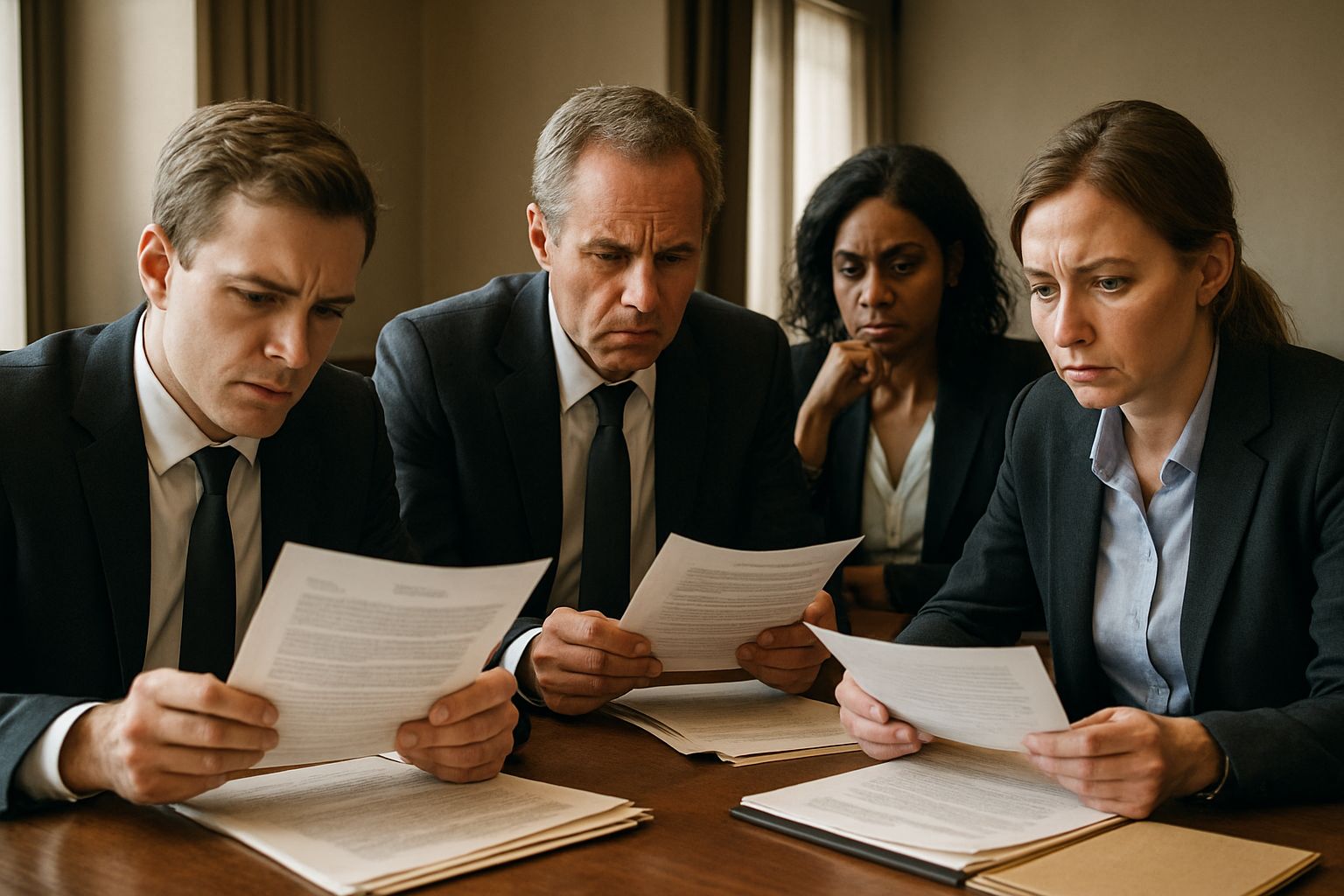
Opening statements began after two days of jury selection on April 27. Altman and Musk sat feet apart, yet their corporate Feud felt sprawling. During Trial day two, Musk faced William Savitt, OpenAI’s lead counsel. Savitt pressed Musk on 2015-2017 emails describing nonprofit commitments. Musk resisted yes-or-no formats and called himself “a fool” for early donations. Furthermore, he accused Savitt of employing “lawyer tricks” to distort context. Court transcripts show the “designed to trick me” line came after valuation questions.
Media labeled the confrontation the week’s defining OpenAI Lawsuit Update moment. Meanwhile, Judge Lina Hernandez sustained several objections but allowed the heated exchange. Testimony continued with Musk discussing Microsoft’s 2023 investment and later funding rounds. Reporters noted jurors taking careful notes during that financial discussion. Musk’s combative style energized supporters yet risked alienating jurors. Subsequently, attention shifted toward the staggering damages math.
Staggering Damages Figures Disclosed
The plaintiff expert C. Paul Wazzan estimated wrongful gains between $79 and $134 billion. In contrast, defense economists called the range speculative and inflated. OpenAI’s latest valuation, reported at $852 billion after a $122 billion raise, frames perception. Consequently, a disgorgement order could rival record corporate penalties. Musk’s side argues that his $38 million seed support justifies massive returns under trust law. However, OpenAI counters that no enforceable contract promised nonprofit status indefinitely.
Both teams submitted competing spreadsheets detailing cash flows, option grants, and Microsoft’s $10 billion infusion. Trial observers expect jurors to struggle with finance jargon despite expert tutorials. These large figures headline every OpenAI Lawsuit Update across financial media. Ultimately, the jury’s advisory number will still require judicial approval.
- $79–$134 billion claimed damages range
- $852 billion latest OpenAI valuation
- $122 billion 2026 funding round size
- $10 billion 2023 Microsoft investment
The damages debate illustrates the case’s extraordinary financial stakes. Therefore, narrative control now moves from spreadsheets to motives. Investors bookmarked the table for their next OpenAI Lawsuit Update discussion.
Dueling Founders' Legal Narratives
Musk tells jurors he protected humanity when founding OpenAI. Altman replies that Musk sought ownership and quit when refused. Emails from 2017 reveal Musk proposing majority board seats and veto rights. Meanwhile, defense witnesses highlight his departure from the board in 2018. The Feud intensified when OpenAI created its capped-profit arm in 2019. Musk filed his initial Lawsuit in 2024, escalating private grievances into public spectacle. Additionally, OpenAI’s answer labels the action a harassment campaign against a competitor.
Legal scholars note that charitable-trust claims face high proof thresholds. Daily OpenAI Lawsuit Update briefings help analysts track narrative shifts. Nevertheless, Musk’s Testimony portrays a clear promise broken. These clashing stories will influence witness credibility assessments. Jurors must decide whose version aligns with written records. Subsequently, legal instructions will map those facts into liability.
Key Legal Questions Ahead
Beyond contract issues, equitable remedies complicate the case. Judge Hernandez may let the jury recommend but retain final say on governance changes. Moreover, Microsoft’s involvement adds antitrust undertones. The court must weigh investor reliance on the capped-profit structure. In contrast, Musk wants Altman and Greg Brockman removed. Observers debate whether corporate law permits unwinding multi-billion financings years later. Trial briefs cite Delaware charity precedents but few analogies exist at this scale.
Consequently, appellate reviews seem likely regardless of outcome. Legal analysts shared these views during our weekly OpenAI Lawsuit Update podcast. The core Lawsuit also alleges fiduciary breaches. This procedural complexity may extend timelines well into 2027. The remedy fight could outlast the current proceedings. Meanwhile, markets remain sensitive to each docket filing.
Market Implications For Investors
Venture funds holding OpenAI shares monitor courtroom risk closely. Some limited partners even requested contingency briefings. Bloomberg reports suggest bankers paused informal IPO groundwork until the Feud settles. Furthermore, secondary share prices dipped five percent after Musk’s Testimony went viral. Portfolio managers track potential governance shifts that could delay exit horizons. Consequently, Microsoft’s stock saw minor volatility during the first Trial week.
Regulators also study any future remedy for broader AI competition policy. Professionals can deepen expertise through the AI Ethical Hacker™ certification. Investors note that compliance credentials boost due-diligence credibility during disruptive periods. These financial ripples illustrate why boardrooms crave timely OpenAI Lawsuit Update insights. Capital allocation decisions increasingly hinge on courtroom momentum. Therefore, corporate planners watch what comes next.
What Comes Next Stage
The court reconvenes Monday for expert economic witnesses. First on deck is Wazzan’s cross-examination. Defense teams will attack his multiplier assumptions. Altman’s Testimony may explain governance decisions. Meanwhile, settlement discussions have not been reported. Nevertheless, judges often encourage mediation after key evidentiary phases. If talks fail, closing arguments could appear by late May. Consequently, a verdict might emerge before summer recess. Each evening, journalists prepare another OpenAI Lawsuit Update for anxious stakeholders.
Every courtroom twist sparks a fresh OpenAI Lawsuit Update across industry channels. Observers predict appeals regardless of the victor. In contrast, some venture lawyers expect a negotiated governance tweak. These forecasts show a long road ahead. Consequently, final clarity may require several years.
The Musk-Altman battle blends corporate control, immense money, and public ideology. Evidence presented so far paints complex, sometimes contradictory, motivations. However, jurors will judge documents, not celebrity profiles. Damages calculations, though eye-popping, must survive rigorous cross-examination. Meanwhile, investors weigh fundraising plans against unpredictable courtroom calendars.
This OpenAI Lawsuit Update will evolve daily as Testimony and briefs continue. Stay informed, strengthen compliance skills, and consider earning the linked AI Ethical Hacker™ credential. Empowered knowledge positions you to navigate the next disruptive verdict.
Disclaimer: Some content may be AI-generated or assisted and is provided ‘as is’ for informational purposes only, without warranties of accuracy or completeness, and does not imply endorsement or affiliation.


