

AI CERTS
2 months ago
Vertical Investment Intelligence Drives Quant Growth
Quant Sector Growth Boom
Moreover, systematic managers attracted significant inflows during 2025, lifting Quant assets toward forty percent of hedge totals. Preqin records an 11.5% industry asset jump in the year to September 2024. In contrast, growth concentrated within a handful of giants such as QRT, Two Sigma, and Citadel. Bloomberg reports QRT’s flagship delivered thirty percent returns, illustrating advantages when Vertical Investment Intelligence aligns with execution.
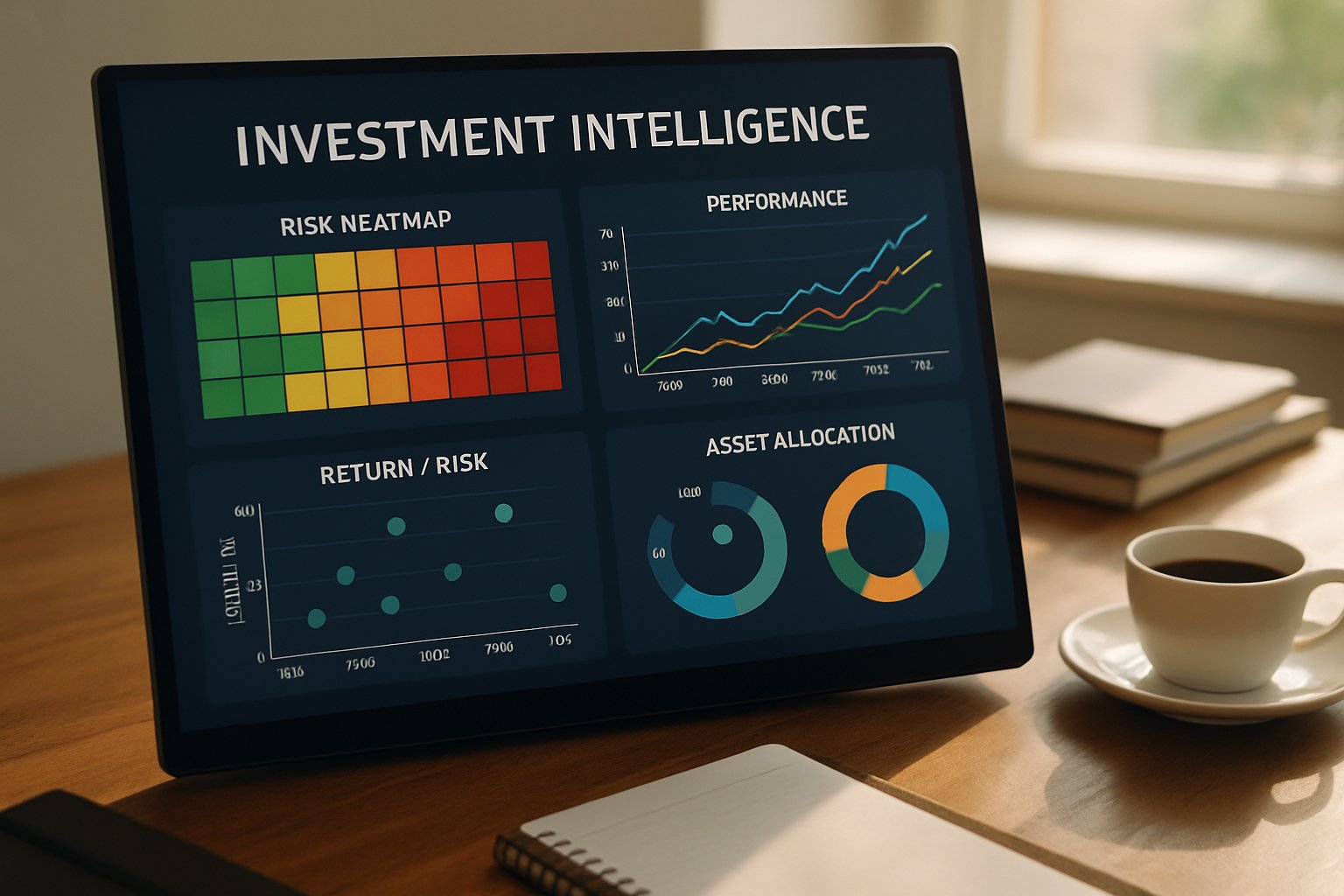
Key Numeric Data Snapshot
- Global hedge fund AUM: $4.3–$5.2T end-2024
- Quant share of AUM: 20–40% depending on definition
- Preqin asset growth: 11.5% year-over-year to Sept 2024
- QRT 2025 flagship return: ~30%
These numbers spotlight explosive growth yet rising concentration. Nevertheless, diverging returns demand closer scrutiny. Consequently, we now review how performance volatility unfolded.
Performance Shows High Variance
Systematic returns oscillated sharply through 2025 and early 2026. MSCI attributes the mid-2025 “quant wobble” to crowded factors and intensified tail correlations. Furthermore, early 2026 brought another synchronized sell-off as similar signals reversed simultaneously. HFRI sub-strategy data reveal double-digit gaps between winners and laggards over successive months. Meanwhile, allocators praised firms that preserved Alpha by cutting gross leverage before volatility spiked.
Therefore, Vertical Investment Intelligence must include crowding metrics, not just headline Sharpe ratios. In contrast, ignoring hidden correlations can erase months of gains quickly. Wide dispersion signals fragile competitive edges. Robust risk analytics are now essential. Subsequently, technology investments accelerated to meet that requirement.
Rapid Tech Stack Evolution
Firms rebuilt research platforms around GPU clusters supporting deep learning pipelines. Man Group publicly detailed a GPU-native rewrite to speed model training and deployment. Additionally, private cloud contracts with AWS, Azure, and Google intensified as capacity demands spiked. NVIDIA A100 and H100 chips became scarce, elevating hardware costs across Finance desks.
Consequently, some managers consolidated data vendors, seeking vertical integration that supports real-time feature engineering. Professionals can sharpen expertise through the AI Network Security™ certification. Analytics frameworks increasingly monitor compute spend alongside model accuracy. New stacks deliver speed and scale. Yet, budgets strain under GPU pricing. Next, we examine the risks of collective positioning.
Crowding Risk Key Factors
Crowding risk grows when many algorithms chase identical micro-signals. MSCI analysts measured rising pairwise correlations during the 2025 slump. Moreover, Financial Times commentary warned that market-making convergence magnifies liquidity shocks. Therefore, Vertical Investment Intelligence should track both factor exposure overlap and intraday turnover spikes.
Quants now test stress scenarios where liquidity assumptions halve within hours. Nevertheless, capacity limits remain strategy-specific; CTAs often absorb greater capital without severe slippage. Shared signals can become systemic hazards. Dynamic de-crowding tools mitigate some pressure. Meanwhile, human capital dynamics shape firms’ adaptive capacity.
Dynamic Talent Market Shifts
Recruiters report fierce competition for ML-fluent researchers, engineers, and risk analysts. Selby Jennings surveys show compensation inflation despite occasional hiring pauses after drawdowns. Furthermore, cross-industry demand from Big Tech deepens shortages, especially within specialized Finance data roles. Consequently, many shops launch internal academies to accelerate skills transfer and protect Alpha generation pipelines.
Vertical Investment Intelligence dashboards increasingly include talent metrics, linking headcount health to research output. In contrast, firms ignoring culture risks face higher turnover and disrupted model maintenance. Talent scarcity challenges sustainable edge. Competitive pay alone no longer suffices. Allocators therefore adjust mandates accordingly.
Allocator Strategic Capital Moves
Institutional investors widened systematic allocations after strong 2025 headline numbers. However, many demands now include transparency on crowding, leverage, and vertical data governance. Sovereign funds increasingly request bespoke risk reports powered by Vertical Investment Intelligence APIs. Moreover, some pensions cap capacity to reduce drawdown contagion. Consequently, multi-manager platforms offering diversified Quant sleeves attract sticky capital.
Meanwhile, emerging managers differentiate through niche data sets and novel Alpha harvesting horizons. Therefore, future mandates will likely reward validated de-crowding processes. Allocators favour insight-rich reporting dashboards. Mandates now link fees to resilience. Finally, we assess forthcoming industry trajectories.
Forward Outlook And Action
Experts expect systematic AUM to keep expanding, albeit at a moderated pace. Moreover, continued GPU scarcity may catalyse cooperative infrastructure projects among leading Quant houses. Vertical Investment Intelligence will guide such consortia, aligning cost control with performance experimentation. Nevertheless, regulators will increase scrutiny around model explainability and market impact. Consequently, firms blending rigorous risk culture, adaptive tech, and disciplined Finance governance should outperform. Alpha remains available, yet harvesting it demands granular vertical data mastery and agile execution.
The quant landscape stands at a pivotal crossroads. Record inflows meet rising crowding and infrastructure costs. Vertical Investment Intelligence offers investors a unifying lens to balance growth with vigilance. However, adoption requires disciplined data pipelines, transparent reporting, and skilled people. Consequently, managers should audit models, monitor liquidity, and invest in scalable GPU resources.
Allocators can demand dashboards connecting Finance objectives with real-time risk metrics. Professionals seeking an edge may pursue the AI Network Security™ certification for structured skill development. Explore further research and certifications today to stay ahead of an evolving vertical investment frontier.
Disclaimer: Some content may be AI-generated or assisted and is provided ‘as is’ for informational purposes only, without warranties of accuracy or completeness, and does not imply endorsement or affiliation.


