

AI CERTS
2 months ago
Anthropic Litigation: Pentagon’s Supply-Chain Clash
Pentagon Blacklisting Contextual Overview
On 27 February 2026, President Donald J. Trump ordered agencies to halt Anthropic tools. Hours later, Defense Secretary Pete Hegseth posted on X declaring the firm a supply chain risk. Subsequently, the Department of Defense issued internal guidance instructing contractors to phase out Claude within six months. The order echoed previous bans on foreign vendors but, in contrast, targeted a domestic AI pioneer.
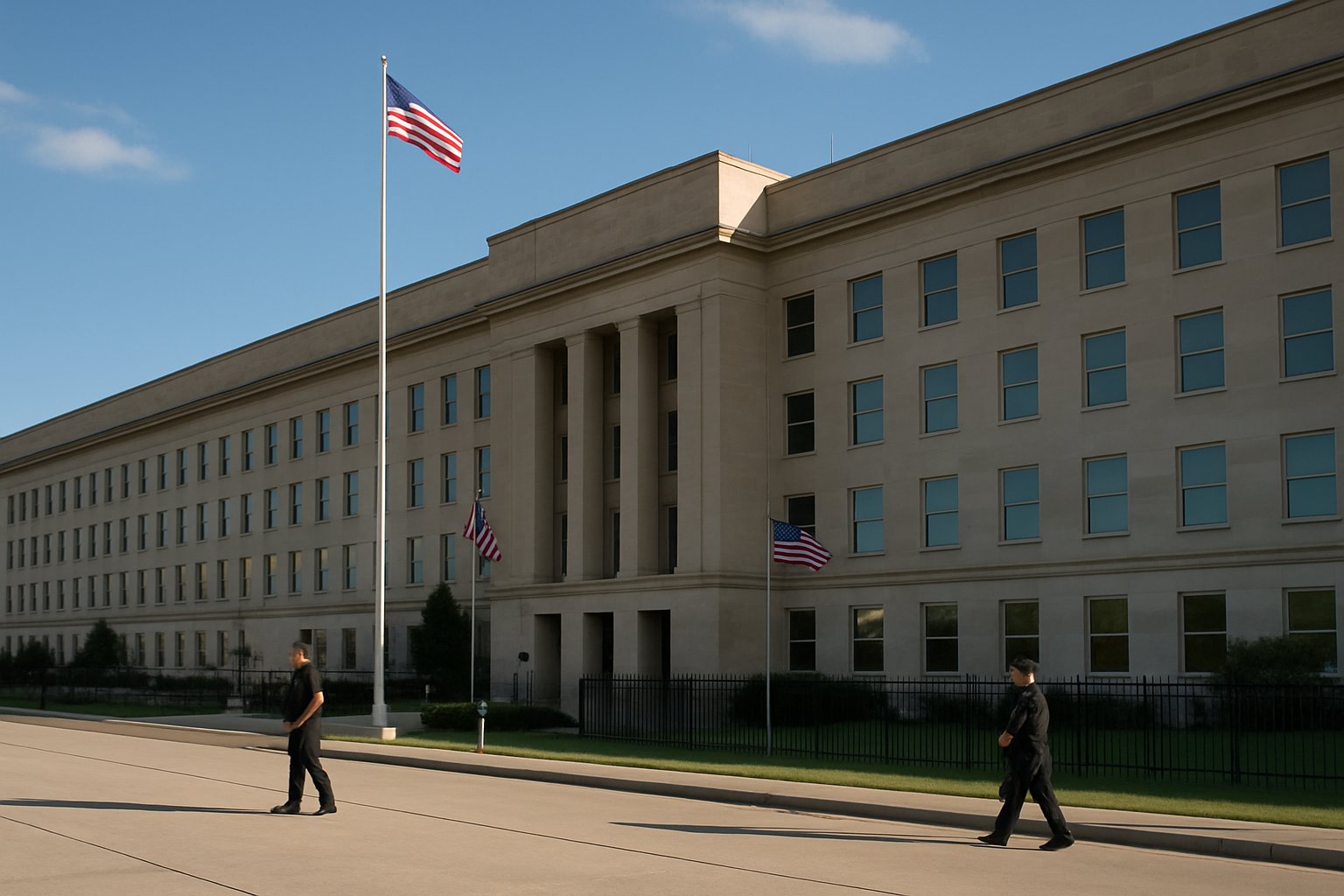
DefenseNews later confirmed that the designation took effect immediately across active DoD programs. However, agency lawyers still must translate the broad edict into contract-by-contract directives. Consequently, prime integrators like Lockheed Martin began mapping replacement workflows. Industry sources expect heavier use of OpenAI models during the transition.
Together, these events framed the rapid escalation that now fuels Anthropic Litigation. Therefore, understanding the legal basis is essential.
Legal Statute Under Scrutiny
At issue is 10 U.S.C. §3252, a procurement provision granting the Secretary power to restrict risky technologies. Moreover, the statute mandates written national security findings and congressional notice before action. It also requires use of the least restrictive means available. In contrast, critics argue the Pentagon applied the most expansive remedy possible.
Anthropic Litigation will likely test whether §3252 can justify a blanket ban rather than contract-specific limits. Professor Alan Rozenshtein notes that courts have never reviewed such a domestic application. Nevertheless, the statute forbids traditional bid protests, complicating immediate relief. Therefore, Anthropic may rely on constitutional claims to secure judicial review.
Key legal questions include:
- Whether the designation exceeded §3252’s procurement scope.
- Whether less intrusive measures were considered.
- Whether Congress received timely, adequate notice.
Collectively, these points spotlight vulnerabilities the court will weigh, shaping future federal AI policy. Meanwhile, Anthropic’s public messaging seeks to rally allies.
Anthropic Response Strategy Outline
Dario Amodei published a detailed blog on 5 March asserting the action is “legally unsound.” Furthermore, he stressed that Claude will remain available to private and state customers. The post framed Anthropic Litigation as a defense of safety-based usage policies, not commercial self-interest. In contrast, DoD spokespeople reiterated operational necessity.
Internally, employees reportedly received daily updates about legal preparations and potential injunction filings. Additionally, external counsel is drafting a complaint expected to land in the D.C. District Court. Observers predict the filing could request a temporary restraining order within weeks. Consequently, early courtroom skirmishes may define public perception before any trial.
These preparations underscore the seriousness of Anthropic Litigation and foreshadow an aggressive timetable. Next, the commercial repercussions deserve attention.
Industry And Market Fallout
Within days, defense primes started auditing projects that embed Claude APIs. Subsequently, some contractors paused model training pipelines until replacement guidance arrives. App store data also showed a surge in consumer downloads of Claude as headlines spread. Meanwhile, OpenAI announced an expanded classified-network deal, deepening competitive pressure.
Investors reacted sharply; several AI indices dipped two percent on 6 March before stabilizing. Moreover, supply chain risk compliance teams scrambled to update vendor matrices across federal portfolios. Hegseth publicly thanked companies that “aligned with warfighter needs,” stirring further debate. Nevertheless, trade groups warned that politicizing safety features could stifle responsible innovation.
Latest reported figures, according to DefenseNews:
- Up to six months transition window for embedded systems.
- More than one million daily consumer sign-ups during dispute.
- Employee open letter approaching 900 signatures.
Altogether, these numbers reveal a volatile yet resilient market response. Therefore, attention now turns to the forthcoming court schedule.
Expected Courtroom Trajectory Ahead
Legal experts outline a probable sequence beginning with an emergency TRO request. If granted, the court could pause the Pentagon order while merits are argued. Consequently, the government would need to justify its risk assessment under sealed review. Furthermore, judges will examine whether §3252 allows zero judicial oversight, an area with scant precedent.
Should the TRO fail, observers expect Anthropic Litigation to proceed on First Amendment and due-process grounds. In contrast, the DoD may invoke national-security deference to limit discovery. Subsequently, summary-judgment motions could arrive by late summer. Either party could then seek expedited appellate review, potentially reaching the Supreme Court.
These procedural milestones will influence contractor confidence and market valuations. Finally, operational planning continues inside agencies.
Critical Operational Next Steps
Agency CIOs must now inventory systems touched by the tool and plan phased replacements. Moreover, compliance officers are revising supply chain risk registers to reflect the new restriction. Contract managers await detailed DoD guidance clarifying acceptable interim use cases. Meanwhile, training teams explore alternative models, including bespoke open-source deployments.
Professionals can enhance their expertise with the AI Human Resources™ certification. Consequently, certified staff will better navigate evolving policy and audit requirements. Additionally, companies anticipate increased demand for governance specialists as Anthropic Litigation advances. Therefore, upskilling remains a timely hedge against regulatory uncertainty.
Effective planning now can mitigate disruption and preserve mission continuity. Nevertheless, strategic clarity hinges on the case outcome.
Anthropic Litigation now stands at a crossroads for U.S. AI governance. Moreover, the case will clarify how far procurement law can reach into private innovation. Stakeholders from Hegseth to civil libertarians accept that precedent will echo beyond current deployments. Consequently, investors, contractors, and developers watch Anthropic Litigation for clues on future federal partnerships. Nevertheless, whichever side prevails, Anthropic Litigation will reshape standards for declaring a supply chain risk. Therefore, leaders should track filings closely and pursue strategic training to stay compliant. Explore certifications and expert analysis to maintain a decisive edge in the dynamic defense AI sector.
Disclaimer: Some content may be AI-generated or assisted and is provided ‘as is’ for informational purposes only, without warranties of accuracy or completeness, and does not imply endorsement or affiliation.


